Thailand’s Land Bridge Project: Malacca Strait Bypass | Mariner News
Thailand has unequivocally revived its ambitious plans for a groundbreaking land corridor project, presenting a formidable alternative to the notoriously congested and strategically vital Strait of Malacca. This long-contemplated initiative, often colloquially referred to as a ‘land bridge’ or a modern reimagining of the Kra Canal concept, aims to revolutionize global shipping routes and bolster regional economic resilience. The government’s renewed commitment to developing this crucial intermodal transit link signals a pivotal shift in maritime logistics, promising to reshape trade dynamics across Southeast Asia and beyond. By offering a faster, more secure, and potentially more cost-effective passage for goods, Thailand is positioning itself at the very heart of future global supply chains, attracting significant international attention from shipping lines, logistics companies, and geopolitical strategists alike.
The Strategic Imperative: Bypassing the Malacca Strait
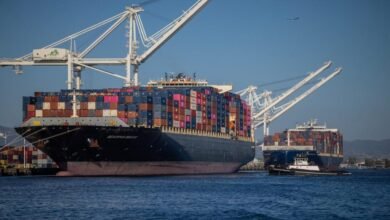
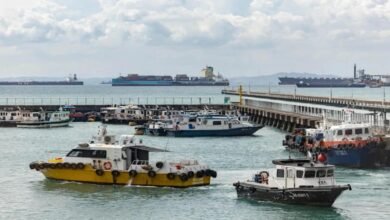
The Strait of Malacca stands as one of the world’s busiest maritime chokepoints, a narrow waterway through which an estimated one-third of global trade and over 80% of China’s oil imports pass annually. Its strategic importance is matched only by its inherent vulnerabilities. Issues such as severe congestion, piracy risks, navigation hazards, and increasing geopolitical tensions make it a precarious passage for the millions of containers, tankers, and bulk carriers that traverse its waters each year. Any disruption in the Malacca Strait can send ripple effects across global supply chains, causing delays, increasing costs, and threatening energy security, particularly for East Asian economies heavily reliant on its trade routes. The sheer volume of traffic necessitates a viable alternative, one that can reduce transit times, mitigate risks, and enhance the overall efficiency of maritime transport.
Furthermore, the escalating size of modern container ships and crude oil tankers presents additional challenges for navigation through the shallow and narrow sections of the strait. Draft restrictions often force larger vessels to take longer, more circuitous routes, adding significant time and fuel costs. A Thai land bridge would bypass these geographical constraints entirely, offering a direct, high-capacity link between the Andaman Sea and the Gulf of Thailand. This vision aligns with a broader global trend of seeking redundancy and resilience in critical trade infrastructure, following lessons learned from incidents like the Suez Canal blockage. For nations eager to diversify their trade routes and enhance energy security, this alternative shipping route represents a compelling proposition.
Project Overview: A New Era for Thai Infrastructure
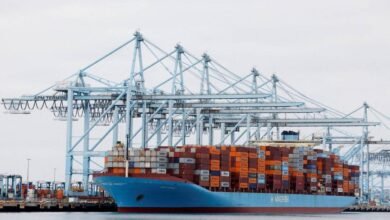
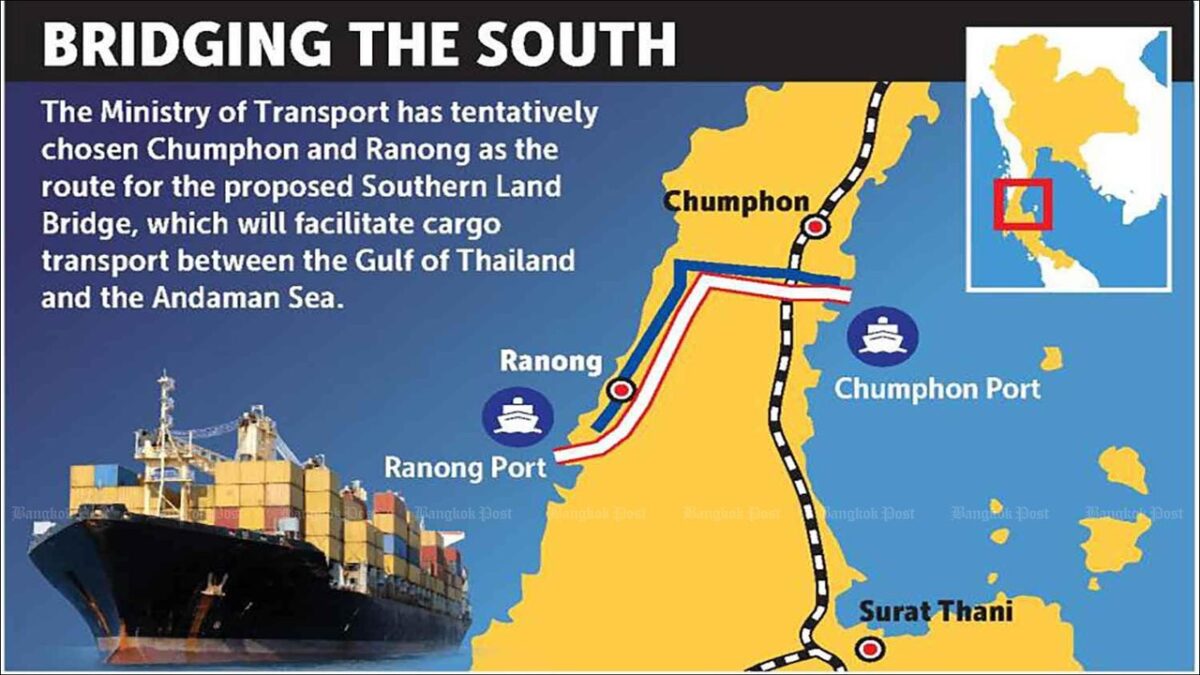
Thailand’s current proposal, often dubbed the ‘Chumphon-Ranong Land Bridge,’ envisions a comprehensive multimodal transport network rather than a traditional canal. The project connects the deep-sea port of Ranong on the Andaman Sea to the deep-sea port of Chumphon on the Gulf of Thailand, spanning approximately 100 kilometers across the Isthmus of Kra. The core of this ambitious undertaking involves constructing state-of-the-art deep-sea ports at both ends, capable of handling ultra-large container vessels and supertankers. These ports will be seamlessly integrated with high-speed rail lines and modern highways, ensuring rapid transshipment of cargo across the peninsula.
The estimated cost of this colossal infrastructure project is substantial, projected to be in the tens of billions of dollars, reflecting its immense scale and strategic importance. The Thai government plans to attract significant international investment, particularly from countries with a vested interest in securing more efficient and reliable trade routes to and from the Indo-Pacific region. Beyond the primary rail and road links, the plan also includes provisions for oil and gas pipelines, further cementing the corridor’s role in regional energy distribution. The integrated approach ensures that cargo arriving at one port can be efficiently offloaded, transported across the land bridge, and reloaded onto vessels destined for other markets, thereby significantly reducing travel time for ships avoiding the Malacca Strait. This holistic design aims to create a highly efficient logistics hub, driving economic growth and creating substantial employment opportunities within Thailand.
Economic & Geopolitical Ramifications
Should the Thai land corridor materialize, its economic and geopolitical impact would be profound. For Thailand, the project is a game-changer, promising to transform the nation into a leading regional logistics and trade hub. The development would spur massive economic growth, generate hundreds of thousands of jobs in construction, logistics, and related services, and attract significant foreign direct investment. Local economies around Chumphon and Ranong would experience unprecedented development, fostering new industries and creating wealth. Furthermore, the land bridge would shorten shipping times by an estimated three to five days for voyages between the Indian Ocean and the Pacific, translating into substantial savings in fuel costs and operational expenses for shipping companies.
Geopolitically, the land bridge could reconfigure maritime power dynamics. While it won’t entirely diminish the Strait of Malacca’s importance, it would offer a viable alternative, potentially easing pressure on the existing chokepoint and enhancing maritime security by diversifying routes. Countries like China, Japan, and South Korea, heavily reliant on Middle Eastern oil and European trade, would benefit immensely from a more secure and efficient transit option, reducing their vulnerability to disruptions in the Malacca Strait. This new maritime gateway would enhance regional connectivity and solidify ASEAN’s position in global commerce, fostering greater economic integration and stability across Southeast Asia. The project’s success could also inspire other nations to explore similar ambitious infrastructure initiatives to optimize their own trade corridors.
Overcoming Challenges and Ensuring Sustainability
The path to realizing the Thai land corridor is not without significant challenges. Securing the necessary multi-billion dollar financing remains a primary hurdle, requiring robust international partnerships and a clear demonstration of long-term economic viability. Environmental concerns also loom large; constructing such a vast infrastructure project will necessitate careful planning and mitigation strategies to minimize ecological impact on sensitive coastal and inland ecosystems. Land acquisition for the corridor and associated port facilities must be handled transparently and equitably, addressing the concerns of local communities and ensuring fair compensation. Moreover, gaining consensus and cooperation from various regional and international stakeholders will be crucial for the project’s success.
To ensure its long-term viability and acceptance, the project must adhere to the highest standards of environmental and social sustainability. This includes implementing advanced green port technologies, developing eco-friendly transportation solutions for the land link, and investing in reforestation and conservation efforts where appropriate. Transparent governance, comprehensive environmental impact assessments, and continuous community engagement will be essential to navigate these complexities. The Thai government is keenly aware of these challenges and is reportedly committed to developing the project in a responsible and sustainable manner, leveraging cutting-edge engineering and environmental practices to mitigate potential adverse effects and maximize positive outcomes for both the economy and the environment.
The Future of Global Shipping and Supply Chains
The revival of Thailand’s land corridor project marks a pivotal moment in the evolution of global shipping and supply chain management. By offering a robust alternative to the Strait of Malacca, it promises to inject greater efficiency, resilience, and predictability into international trade. As global commerce continues to expand, and supply chains become increasingly complex, the need for diversified and optimized transit routes will only intensify. This initiative stands as a testament to Thailand’s strategic vision, aiming to capitalize on its unique geographical position to become an indispensable hub in the global logistics network.
For shipping companies, freight forwarders, and indeed, every consumer benefiting from global trade, the prospect of a faster, safer, and potentially cheaper route is highly appealing. The Thai land bridge could unlock new economic opportunities, foster greater regional integration, and enhance energy security for many nations. While challenges remain, the clear strategic imperative and the Thai government’s renewed determination suggest that this ambitious project is poised to profoundly reshape the landscape of maritime logistics, leaving an indelible mark on the future of global commerce and supply chain resilience for decades to come. Its success will undoubtedly usher in a new era of connectivity for the Indo-Pacific region and the world.