Stillstrom Secures €5M for Offshore Vessel Charging Pilot | Mariner News
In a significant leap towards decarbonizing the maritime industry, a consortium spearheaded by Stillstrom by Maersk has successfully secured €5 million in EU Horizon Europe funding. This crucial investment is earmarked for an innovative offshore vessel charging pilot, a pioneering initiative set to transform how ships power their auxiliary systems while at anchor. The project, officially named Project SPARK, aims to develop and rigorously test a groundbreaking offshore charging infrastructure for vessels awaiting operations off the coast of Skagen, Denmark. This endeavor represents a pivotal step in the ongoing global effort to reduce emissions from the shipping sector, offering a sustainable alternative to the traditional use of auxiliary engines that contribute substantially to air pollution and noise. The core objective is to supply clean, shore-based electricity directly to ships anchored in designated offshore power zones, thereby significantly mitigating their environmental footprint.
Project SPARK, a three-year initiative slated to commence in June, addresses a longstanding challenge in maritime operations. Vessels often spend considerable time at anchor, running diesel-fueled auxiliary engines to maintain power for vital onboard systems, including lighting, navigation, and crew comfort. This practice, while necessary, leads to substantial greenhouse gas emissions, particulate matter, and other pollutants in coastal areas. The Stillstrom-led consortium, including key partners DNV, Maersk, and the Port of Skagen, is committed to creating a viable, scalable solution for offshore vessel charging. Unlike conventional shore power systems that typically require vessels to berth alongside a quay, Project SPARK’s innovative design caters specifically to ships anchored outside ports, opening up new possibilities for green shipping infrastructure development.
Pioneering Offshore Vessel Charging for Sustainable Shipping
The maritime sector is under increasing pressure to adopt more sustainable practices, with international regulations and growing environmental consciousness driving the demand for greener technologies. Offshore vessel charging emerges as a critical component in this global shift towards sustainable shipping. The traditional method of powering vessels at anchor through onboard diesel generators contributes to a range of environmental problems, including localized air pollution that impacts coastal communities and contributes to global climate change. By providing an external source of clean electricity, this project directly tackles these issues.
This innovative approach to cold ironing, specifically adapted for offshore environments, represents a significant technological and logistical challenge. It requires robust infrastructure capable of withstanding harsh marine conditions, efficient power transmission over distances, and safe, reliable connection systems for vessels. The successful implementation of Project SPARK will not only demonstrate the feasibility of offshore shore power but also establish a blueprint for future deployments in busy maritime corridors worldwide. It signifies a move beyond port-side electrification, extending the reach of sustainable energy solutions further into the marine environment.
Project SPARK: Igniting a Green Revolution at Sea
Project SPARK is much more than a technical pilot; it embodies a vision for a cleaner, more efficient maritime future. The €5 million funding from the EU Horizon Europe program underscores the European Union’s commitment to fostering innovation that addresses pressing environmental challenges. This substantial investment validates the project’s potential impact and recognizes the consortium’s expertise in developing pioneering solutions for maritime decarbonization. The initiative focuses on a specific, yet globally relevant, problem: the emissions generated by auxiliary engines of vessels awaiting berth or transit.
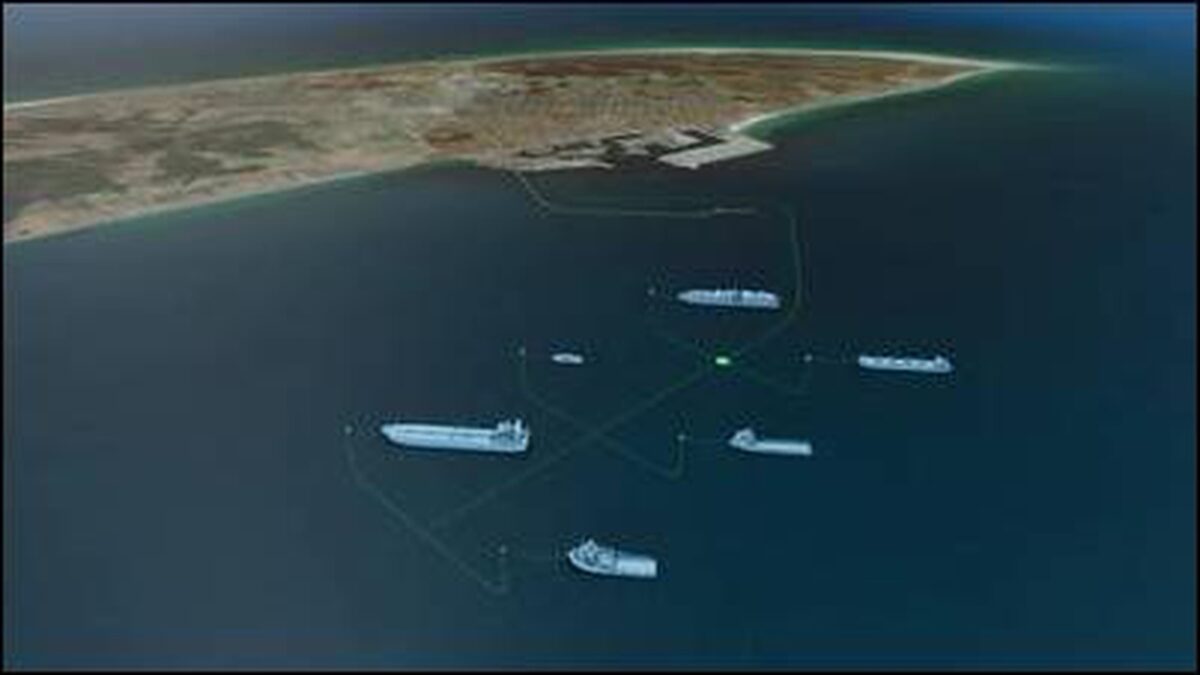
During its three-year lifespan, Project SPARK will establish a pilot offshore power zone, allowing vessels to connect to an at-sea power point. This power point will be supplied with electricity from the nearby Port of Skagen, a strategic location chosen for its relevance as a significant maritime hub. The initial phase of the project will involve supporting a single vessel connection, a crucial step to validate the concept’s operational effectiveness, safety, and reliability in a live operating environment. This meticulous approach ensures that the technology can be scaled up responsibly and effectively.
The Technology Behind Offshore Shore Power Solutions
The development of a robust offshore vessel charging system presents unique engineering challenges. Unlike land-based grid connections, an offshore power solution must contend with dynamic maritime conditions, including strong currents, wave action, and varying vessel movements. The technical solution involves designing and deploying specialized submarine cables to transmit electricity from the Port of Skagen’s grid to the offshore power point. This infrastructure must be durable, environmentally secure, and capable of delivering significant power levels to meet the diverse demands of various vessel types.
Furthermore, the system will require advanced connection technologies that ensure safe, efficient, and user-friendly interaction between the vessel and the offshore power supply. This includes specialized connectors, robust mooring systems, and sophisticated power conversion equipment to adapt grid electricity to the ship’s onboard systems. Integrating smart grid technologies will also be essential to manage power flow efficiently, monitor usage, and ensure system stability. The lessons learned from the technical deployment in Project SPARK will be invaluable for the broader adoption of maritime electrification technologies globally.
Strategic Collaborations Driving Maritime Decarbonization
The success of an ambitious project like offshore vessel charging hinges on strong collaboration between diverse experts. The Stillstrom-led consortium brings together a powerful synergy of industry leaders and innovators. Stillstrom, backed by the global shipping giant Maersk, provides the entrepreneurial drive and maritime expertise necessary to envision and implement such a transformative project. Their understanding of vessel operations, energy demands, and marine technology is paramount.
Accompanying Stillstrom is DNV, a world-leading classification society and technical advisor. DNV’s role is critical in ensuring the safety, reliability, and regulatory compliance of the new offshore charging infrastructure. Their expertise in risk assessment, engineering assurance, and certification will be vital in de-risking the project and establishing industry best practices. The Port of Skagen, as the operational base, offers vital infrastructure, logistical support, and a practical setting for the pilot. This tripartite collaboration, further bolstered by the strategic funding from EU Horizon Europe, exemplifies how public-private partnerships can accelerate the pace of maritime decarbonization and foster significant technological advancements.
Environmental Impact and Future Prospects of Vessel Electrification
The environmental benefits of successful offshore vessel charging are profound and far-reaching. By replacing diesel-powered auxiliary engines with shore-based electricity, Project SPARK will lead to a significant reduction in harmful air pollutants, including nitrogen oxides (NOx), sulfur oxides (SOx), particulate matter (PM), and greenhouse gases (CO2). This will dramatically improve air quality in the vicinity of Skagen and contribute to Denmark’s and the EU’s climate targets. Additionally, it will reduce noise pollution, benefiting both marine ecosystems and nearby coastal communities.
Looking ahead, the successful validation of this offshore shore power concept in Skagen holds immense promise for the broader maritime industry. The technology developed through Project SPARK could be scaled and replicated in other congested anchorages and busy shipping lanes around the world, offering a viable solution for countless vessels that spend extended periods awaiting port access or transit. This project represents a crucial step towards a future where maritime electrification is a standard practice, not just at berths but also in offshore waiting areas, contributing to a more sustainable and environmentally friendly global fleet. The potential for integrating these offshore power zones with renewable energy sources further enhances their long-term sustainability credentials, paving the way for truly green shipping corridors.
Global Implications for Green Port Infrastructure
The implications of Project SPARK extend far beyond the waters off Skagen. This pilot project is poised to become a blueprint for future green port infrastructure development globally. As ports strive to reduce their environmental footprint and comply with increasingly stringent regulations, the ability to provide shore power to anchored vessels offers a competitive advantage. It aligns with the global movement towards smart ports and integrated logistics, where sustainability and operational efficiency go hand-in-hand. The success of offshore vessel charging can inspire other port authorities and maritime stakeholders to invest in similar technologies, fostering a network of green ports and electrified anchorages.
Furthermore, the knowledge gained from Project SPARK regarding engineering, operational protocols, and economic viability will be invaluable for policymakers and industry leaders planning investments in sustainable maritime solutions. It demonstrates a practical pathway for decarbonizing the ‘waiting phase’ of a ship’s journey, which has often been overlooked in discussions about shore power. This initiative underscores the critical role of innovation in achieving the ambitious decarbonization targets set by the International Maritime Organization (IMO) and national governments. By embracing such forward-thinking technologies, the maritime industry can accelerate its transition to a cleaner, more sustainable future, ensuring long-term environmental stewardship and operational resilience.
In conclusion, the Stillstrom-led consortium’s success in securing €5 million for the offshore vessel charging pilot, Project SPARK, marks a monumental step for the maritime industry. This groundbreaking initiative promises to revolutionize how vessels power up while at anchor, significantly reducing emissions and advancing sustainable shipping practices. With strong collaboration and innovative technology, Project SPARK is set to ignite a green revolution at sea, setting new benchmarks for environmental responsibility and operational efficiency in global shipping.