WinGD Secures First Ethanol Engine Orders for Deep-Sea Ships | Mariner News
In a landmark development set to reshape the landscape of maritime transportation, Swiss engine manufacturing powerhouse WinGD has proudly announced its inaugural orders for advanced ethanol-fuelled engines destined for deep-sea ships. This monumental achievement marks a significant stride in the global effort to decarbonize the shipping industry, heralding a new era of sustainable marine propulsion. The groundbreaking technology, which promises substantial reductions in greenhouse gas emissions, underscores WinGD’s unwavering commitment to innovation and environmental stewardship. These pioneering orders signify a tangible step towards a greener future for global shipping, positioning ethanol as a viable and increasingly attractive alternative marine fuel for ocean-going vessels. The industry eagerly anticipates the operational rollout of these engines, recognizing their potential to set new benchmarks for ecological responsibility in a sector under intense pressure to reduce its carbon footprint. This initial success by WinGD firmly establishes ethanol’s credibility within the complex framework of maritime energy transition strategies, offering a powerful blueprint for other industry players to emulate and adapt.
WinGD’s Ethanol Innovation: Catalyzing a New Era for Marine Propulsion
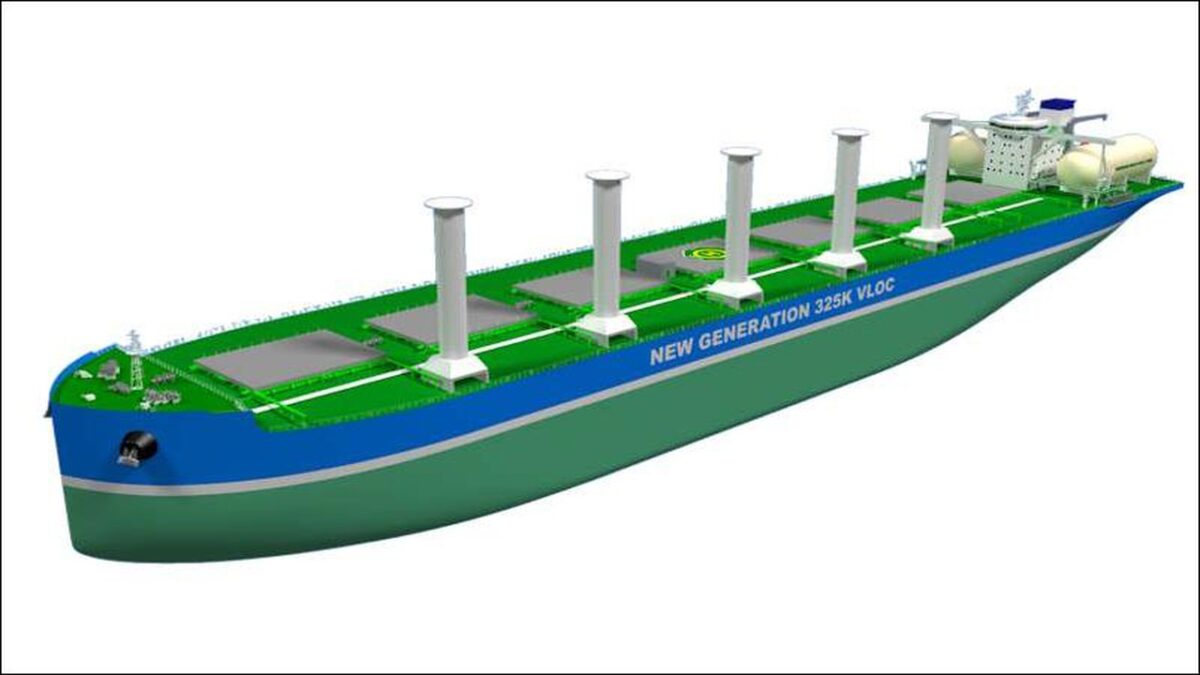
WinGD’s entry into the ethanol-fuelled engine market is not merely an incremental step but a transformative leap. The company has secured the world’s first orders for its cutting-edge dual-fuel ethanol engines, explicitly designed for use on large, ocean-going vessels. These engines are slated to power two 325,000 DWT Newcastlemax ore carriers, currently under construction at Beihai Shipbuilding for Shandong Shipping Corporation. This strategic deployment for high-capacity bulk carriers, which will operate under long-term charters for the Brazilian mining giant Vale, highlights the robust and scalable nature of WinGD’s technology. The foundation of this innovative engine platform is ingeniously based on WinGD’s proven methanol engine design, which is already in successful service. However, crucial modifications have been meticulously integrated into the fuel supply and injection systems to optimize performance specifically for ethanol. This strategic adaptation ensures reliability, efficiency, and seamless operation, leveraging existing expertise while tailoring it for the unique properties of ethanol as a marine fuel. The decision to adapt a mature methanol platform not only accelerates development but also instills confidence in the market regarding the operational readiness and long-term viability of these new dual-fuel engines.
Ethanol, once primarily associated with land-based applications, is rapidly emerging as a compelling and increasingly attractive alternative marine fuel due to its inherent environmental benefits and growing availability. Its potential to significantly reduce lifecycle emissions makes it an invaluable asset in the maritime industry’s urgent quest for decarbonization. WinGD’s proactive development of this technology showcases their foresight and leadership in anticipating market needs and regulatory pressures. The company’s commitment to delivering practical, efficient, and environmentally sound propulsion solutions is evident in the sophisticated engineering behind these new ethanol engines. This initiative is expected to inspire wider adoption of ethanol in the shipping sector, fostering a ripple effect that could accelerate the global energy transition within maritime transport. The inherent flexibility of a dual-fuel system, allowing vessels to switch between ethanol and conventional fuels, offers operational resilience and adaptability, crucial factors for shipping companies navigating an evolving regulatory landscape and fluctuating fuel markets.
Pioneering Orders: Shandong Shipping and Vale’s Green Fleet Vision
This landmark deal is not just about engine technology; it’s a testament to the forward-thinking vision of Shandong Shipping Corporation and Vale. By opting for WinGD’s ethanol-fuelled engines, these companies are positioning themselves at the forefront of the green shipping movement. Each of the two Newcastlemax ore carriers will be equipped with a six-cylinder dual-fuel engine primarily designed to run on ethanol fuel. This commitment by major players like Shandong Shipping and Vale sends a powerful signal across the maritime industry about the practical feasibility and commercial viability of adopting cleaner propulsion technologies. Vale, a global leader in mining, has particularly emphasized the strategic importance of this move. According to their studies, ethanol has the potential to reduce greenhouse gas emissions by approximately 90% compared to heavy fuel oil, a dramatic improvement contingent on the fuel source’s lifecycle emissions. This impressive reduction aligns perfectly with the escalating global demand for more sustainable supply chains and reduced environmental impact from commodity transportation.
Vale’s comprehensive strategy extends beyond mere compliance; it’s about actively shaping the future of global shipping. The company’s statement highlights that the adoption of ethanol as an alternative fuel is integral to their broader strategy, aiming to combine flexibility and efficiency in the vessels that transport their vital ore. This proactive approach places Vale in a unique and influential position for the profound energy transition that is underway in global shipping, not just for the coming decade but for several decades to come. By taking this bold step, Vale is not only future-proofing its own fleet but also driving similar initiatives and encouraging wider adoption of eco-friendly propulsion methods across the entire sector. The long-term charters for these deep-sea ships signify a sustained commitment to sustainable maritime transport, ensuring that the environmental benefits of ethanol will be realized over an extended period. Engine deliveries are robustly scheduled for early 2029, setting a clear timeline for the introduction of these innovative vessels into active service.
The Environmental Edge of Ethanol in Shipping
Ethanol’s allure as a marine fuel is deeply rooted in its compelling environmental profile. As the world pushes for decarbonization and stricter emissions regulations, ethanol presents a powerful solution for the maritime industry. Its ability to deliver significant reductions in greenhouse gas emissions – up to 90% when compared to traditional heavy fuel oil, depending on the feedstock – is a game-changer. This makes it a highly attractive option for companies committed to lowering their ecological footprint. Beyond CO2, ethanol combustion also produces fewer particulate matter and sulfur oxides, contributing to cleaner air quality and healthier marine environments. The growing global availability of ethanol, often produced from renewable sources such as agricultural biomass, further enhances its appeal. This widespread availability minimizes concerns about supply chain disruptions, a critical factor for global shipping operations that rely on consistent fuel access.
Moreover, the existing infrastructure for producing, storing, and transporting ethanol is relatively mature compared to some other emerging alternative fuels, which can streamline its integration into marine logistics. This includes well-established bunkering networks and handling procedures, which can ease the transition process for shipping companies. The lifecycle emissions analysis, which considers the entire production-to-combustion process, is crucial for truly understanding the environmental benefits of any fuel. Ethanol’s strong performance in this regard, especially when sourced sustainably, underscores its potential to drive genuine emissions reduction within the shipping sector. The decision by WinGD, Shandong Shipping, and Vale to embrace ethanol is a clear acknowledgment of its substantial environmental advantages and its capacity to help meet increasingly stringent international environmental targets, such as those set by the International Maritime Organization (IMO). This collective action signifies a crucial pivot point, demonstrating that sustainable practices are not only desirable but also economically and operationally feasible for large-scale deep-sea transport.
Ethanol: A Viable Pathway to Maritime Decarbonization
While the maritime industry explores a diverse portfolio of alternative marine fuels, including methanol, ammonia, hydrogen, and LNG, ethanol carves out a distinct and promising niche. Its advantages lie in its relative ease of handling compared to highly toxic or cryogenic fuels, and its compatibility with existing engine designs, albeit with modifications. This allows for a more straightforward and less capital-intensive transition for many shipping companies. The dual-fuel technology developed by WinGD further enhances ethanol’s appeal by providing operational flexibility and mitigating risks associated with sole reliance on a new fuel. Vessels can seamlessly switch between ethanol and conventional fuels, ensuring continuity of operations even in regions where ethanol bunkering infrastructure is still developing. This adaptability is vital for deep-sea ships traversing diverse global routes.
Furthermore, ethanol’s role in the broader maritime energy transition is multifaceted. It can serve as an immediate, practical solution for decarbonization while more complex, long-term options like green ammonia or hydrogen mature. Its relatively high energy density, compared to some other alternative fuels, makes it suitable for deep-sea vessels that require significant power and range. The economic viability of ethanol as a marine fuel is also improving, driven by advancements in sustainable production methods and growing demand from various sectors. This increased competition and scale are expected to stabilize and potentially lower its cost relative to volatile fossil fuel markets. As the industry grapples with the imperative to reduce its ecological footprint, ethanol presents itself as a robust, safe, and environmentally sound pathway, bridging the gap between current operational realities and the aspirational goals of zero-emission shipping. The success of WinGD’s ethanol-fuelled engines on these Newcastlemax ore carriers will provide invaluable real-world data and operational experience, paving the way for wider adoption across different vessel types and trade lanes.
Driving the Maritime Energy Transition Forward
WinGD’s achievement with these ethanol-fuelled engine orders is more than a commercial success; it’s a powerful catalyst for the entire maritime industry. By demonstrating the viability and effectiveness of ethanol as a sustainable marine fuel for deep-sea ships, WinGD is actively driving the global energy transition. This pioneering move encourages other engine manufacturers, shipyards, and shipping companies to accelerate their own research, development, and adoption of eco-friendly propulsion solutions. The ripple effect will extend beyond engine technology, influencing investments in bunkering infrastructure, supply chain development for sustainable ethanol, and policy frameworks that support greener shipping practices. This collective push is crucial for achieving the ambitious emissions reduction targets set by international bodies and national governments. The move also signals a growing confidence in the market for alternative fuels, reducing perceived risks and fostering innovation across the value chain.
The strategic collaborations between WinGD, Beihai Shipbuilding, Shandong Shipping, and Vale exemplify how partnerships across the maritime sector can accelerate progress towards decarbonization. These entities are not just customers and suppliers; they are active participants in forging a more sustainable future for shipping. This integrated approach, encompassing engine design, shipbuilding, ship ownership, and cargo operations, creates a robust ecosystem for the deployment of novel technologies. Their shared vision for reducing the ecological footprint of deep-sea transport will undoubtedly inspire similar initiatives globally. As the world moves towards a more environmentally conscious economy, the shipping industry’s ability to adapt and innovate with solutions like ethanol-fuelled engines will be paramount to its long-term viability and social license to operate. The early adoption by these prominent players provides a blueprint for effective transition, showcasing that technological advancement and environmental responsibility can go hand-in-hand with commercial success. This milestone marks a significant step towards unlocking the full potential of sustainable maritime transport, ensuring that vital global trade continues with minimal environmental impact.
The Future Outlook for Sustainable Deep-Sea Transport
The future of deep-sea transport is undeniably green, and WinGD’s ethanol-fuelled engines represent a crucial milestone on this journey. This initial batch of orders for Newcastlemax ore carriers is merely the beginning. As the demand for sustainable marine fuels intensifies and the technological maturity of ethanol engines grows, we can anticipate widespread adoption across various vessel types, from tankers to container ships. WinGD’s foresight in developing a platform based on its proven methanol engine design offers scalability and reliability, which are critical factors for mass deployment. The maritime industry is at a pivotal juncture, grappling with the complexities of regulatory compliance, technological innovation, and economic pressures. Solutions like WinGD’s ethanol engines offer a compelling pathway forward, balancing environmental imperatives with operational realities. This development reinforces the idea that decarbonization is not a distant aspiration but an achievable goal, driven by tangible advancements in cleaner propulsion technology.
The commitment shown by Shandong Shipping and Vale to integrate these advanced engines into their operations sends a strong message to the global shipping sector. It demonstrates that investing in eco-friendly propulsion is not just an expense but a strategic advantage, aligning with corporate sustainability goals and meeting the evolving demands of environmentally conscious consumers and regulators. The insights gained from the operational experience of these deep-sea ships will be invaluable for further optimizing ethanol-fuelled engine performance and refining bunkering logistics. Ultimately, WinGD’s success with these groundbreaking orders accelerates the timeline for achieving a truly sustainable maritime transport system. It illuminates a clear path towards significantly reducing the ecological footprint of global trade, showcasing how innovation, collaboration, and a proactive approach can transform the industry. The era of ethanol-fuelled engines for deep-sea ships has officially dawned, promising a cleaner, more sustainable future for our oceans and the vital commerce they carry.