South Africa’s Green Methanol Project Secures Key Funding | Mariner News
In a pivotal development for sustainable energy and maritime decarbonization, a groundbreaking South African green methanol project has successfully secured initial funding. This significant investment marks a crucial step forward for the nation’s efforts to establish itself as a leader in producing eco-friendly fuels, directly supporting global initiatives to reduce carbon emissions within the shipping industry. The project, poised to convert wastewater treatment byproducts into a viable alternative marine fuel, underscores a strategic shift towards innovative renewable energy solutions and positions South Africa at the forefront of the clean energy transition. This initial financial backing is not merely an investment in a local facility; it represents a commitment to a cleaner future, demonstrating the viability and escalating importance of green methanol as a critical component in achieving global climate targets.
Pioneering Sustainable Fuel Production in South Africa
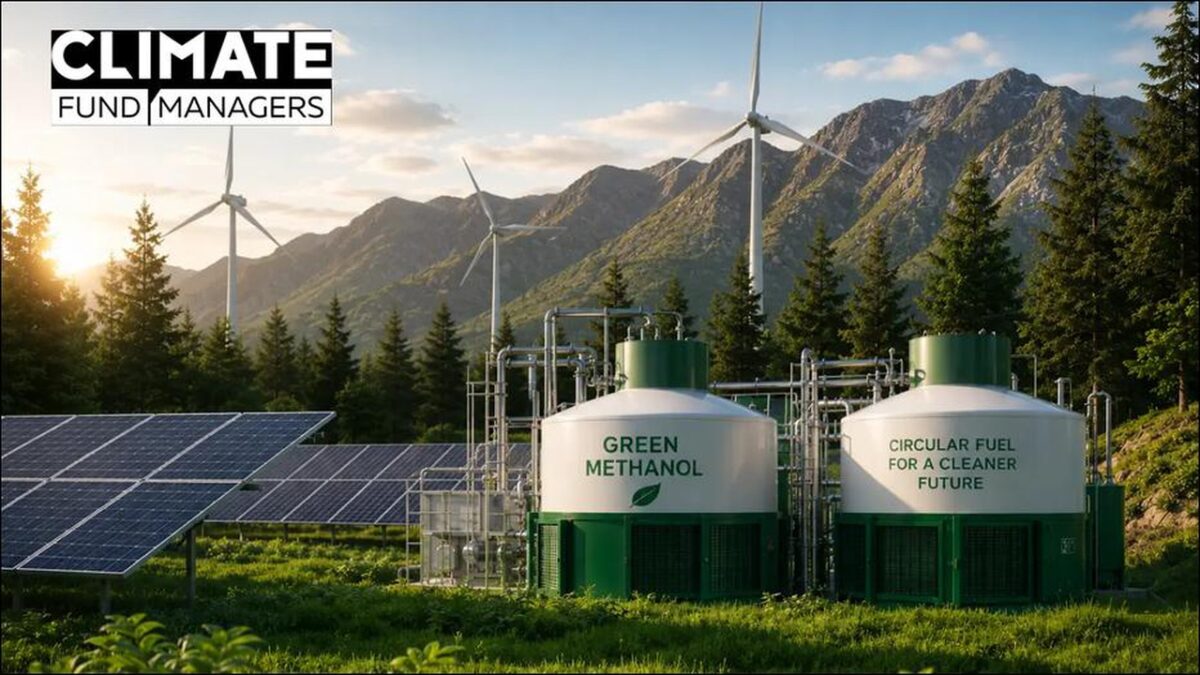
At the heart of this transformative initiative is Green eFuels Producers, the innovative developer behind the project, which aims to establish a robust green methanol production facility. The project’s core strategy involves a revolutionary approach: converting sewage sludge from the Sebokeng Wastewater Treatment Works into high-quality green methanol. This process is not only sustainable but also circular, transforming a waste product into a valuable energy source. The facility is designed to harness renewable electricity and integrate green hydrogen, ensuring the entire production chain is environmentally sound and free from fossil fuel dependency. Once operational, the plant is expected to produce approximately 14,300 metric tons of green methanol annually, a substantial contribution to the emerging market for sustainable marine fuels.
The environmental benefits of this project are immense and far-reaching. By utilizing a readily available waste stream and powering its operations with renewable energy, the facility is projected to avoid almost 119,000 metric tons of CO2-equivalent emissions per year. This figure represents a significant reduction in greenhouse gases, directly combating climate change and improving local air quality. Such an initiative aligns perfectly with South Africa’s broader environmental goals and its commitments under international climate agreements. Moreover, the project showcases how advanced biotechnologies and renewable energy sources can converge to create economically viable and ecologically responsible solutions. This model of converting waste to energy could serve as a blueprint for similar projects globally, fostering a more sustainable industrial landscape and contributing to the circular economy.
Catalyzing Green Hydrogen and Renewable Energy Infrastructure
The integration of green hydrogen is a cornerstone of the South African green methanol project, elevating its environmental credentials and strategic importance. Green hydrogen, produced through electrolysis powered by renewable electricity, is a critical component in the synthesis of green methanol, ensuring that the entire fuel production process has a minimal carbon footprint. This emphasis on green hydrogen also serves to catalyze the development of South Africa’s burgeoning green hydrogen economy, stimulating investment in renewable energy infrastructure such as solar and wind farms to power the electrolysis process. The synergistic relationship between green methanol production and green hydrogen generation creates a virtuous cycle, accelerating the deployment of clean energy technologies across the nation.
Beyond its immediate operational impact, this project acts as a powerful catalyst for broader economic development and technological advancement within South Africa. The establishment of such a sophisticated facility necessitates significant investment in local infrastructure, specialized training for the workforce, and the creation of new high-tech jobs. This contributes to a diversified economy, reducing reliance on traditional, carbon-intensive industries. Furthermore, the project’s reliance on renewable electricity encourages greater grid stability and energy independence for South Africa, fostering a resilient and sustainable energy ecosystem. By investing in these foundational elements, the nation not only secures its position in the global green economy but also cultivates a skilled labor force capable of driving future innovation in sustainable technologies.
Methanol: A Viable Pathway to Maritime Decarbonization
The shipping industry, a significant contributor to global greenhouse gas emissions, is in urgent need of viable alternative fuels to achieve its ambitious decarbonization targets. Methanol has emerged as one of the most promising candidates due to its practical advantages. Unlike some other emerging marine fuels, methanol can be handled using relatively familiar bunkering and storage infrastructure, minimizing the need for extensive and costly overhauls of existing port facilities and vessel designs. This ease of integration significantly lowers the barrier to adoption for shipowners and operators, making it a highly attractive option for transitioning towards cleaner operations. Its liquid state at ambient temperatures simplifies logistics, making it an accessible and scalable solution for marine propulsion.
The growing momentum behind methanol in the maritime sector is particularly evident within the container segment. Leading shipping lines have already placed substantial orders for methanol-fueled newbuilds, signaling a clear commitment to this sustainable fuel pathway. This proactive adoption by a major segment of the shipping industry provides a strong endorsement for methanol’s viability and long-term potential. The South African green methanol project directly supports this global trend by ensuring a reliable supply of green methanol, thereby enabling more vessels to make the switch from conventional heavy fuel oil. As more container ships and other vessel types adopt methanol, the demand for such sustainable production facilities will only intensify, making projects like the one in South Africa critically important for scaling up the global supply chain of alternative marine fuels.
Strategic Investment and Future Outlook
The initial financial commitment for the South African green methanol project comes from Climate Investor Three, channeled through its affiliated SA-H2 Fund, which has pledged up to $4 million. This vital seed funding is designated to support critical preliminary phases, including detailed engineering work, comprehensive environmental studies, and securing necessary permits. These initial steps are fundamental to laying a robust foundation for the project’s successful execution and compliance with stringent environmental regulations. The careful allocation of these funds underscores a strategic approach to risk mitigation and ensures that the project progresses through its development stages efficiently and responsibly. This structured financial backing is crucial for translating an ambitious vision into tangible reality, paving the way for construction and eventual operation.
Furthermore, the long-term vision for the project is bolstered by Climate Investor Three’s option to invest up to an additional $26 million in future equity funding. This substantial potential investment signals strong confidence in the project’s viability and future profitability, providing a clear pathway for sustained growth and expansion. The blended finance facility, expertly managed by Climate Fund Managers, exemplifies a progressive model of funding sustainable infrastructure projects by combining public and private capital. This collaborative approach not only mobilizes significant financial resources but also leverages diverse expertise, enhancing the project’s resilience and capacity for innovation. With commercial operations strategically targeted to commence in 2029, the South African green methanol project is on track to become a cornerstone of sustainable energy production in the region, promising long-term environmental and economic benefits.
Global Impact and the Future of Sustainable Shipping
Projects such as the South African green methanol project are vital threads in the larger tapestry of global decarbonization efforts. They demonstrate that sustainable solutions are not only conceptual but are being actively implemented with significant financial and strategic backing. The success of this initiative will undoubtedly serve as a powerful case study, encouraging other nations and private entities to invest in similar green methanol and green hydrogen production facilities. By showcasing the technical feasibility, economic viability, and profound environmental benefits of converting waste into clean fuel, South Africa is contributing significantly to the global discourse on climate action and sustainable development.
This single project in South Africa carries implications that extend far beyond its national borders. It highlights the critical need for continued innovation, international collaboration, and proactive investment in alternative fuels to secure a sustainable future for the global shipping industry. As demand for cleaner marine fuels continues to grow, initiatives like this will be instrumental in building a resilient and ethical supply chain. The journey towards a carbon-neutral maritime sector is complex, but with projects like the South African green methanol project leading the way, powered by strategic funding and a clear vision, the horizon for truly sustainable shipping looks increasingly promising. It is a testament to human ingenuity and collaborative spirit that challenges once deemed insurmountable are now being tackled with practical, scalable, and environmentally conscious solutions.