Singapore Harbor Collision Kills Three Near Pasir Panjang | Mariner News
A somber mood has settled over Singapore’s bustling maritime community following a tragic harbor craft collision in Singapore that resulted in three fatalities. The incident, involving two workboats near the strategically important Pasir Panjang Terminal, has prompted a full-scale investigation and renewed focus on maritime safety protocols in one of the world’s busiest ports. Initial reports confirm that three bodies have been recovered from the waters, casting a shadow over the daily operations of this vital global shipping hub. The Maritime and Port Authority of Singapore (MPA) quickly launched a search and rescue operation, emphasizing the immediate and grave nature of the marine accident.
Tragic Collision Details Unfold Near Pasir Panjang Terminal
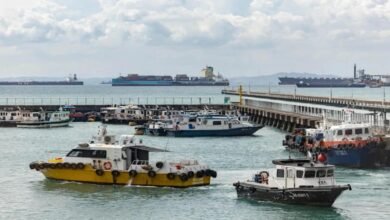
The unfortunate vessel collision occurred around 09:30 local time on Friday, June 12, near the Pasir Panjang Terminal, a critical component of Singapore’s port infrastructure. The MPA identified the two vessels involved as a supply boat and a landing craft. While the landing craft reportedly remained stable with no injuries among its crew, the supply boat tragically sank following the impact. This severe incident near a major Singapore port immediately triggered a multi-agency response, with police and harbor craft from the Singapore Civil Defense Forces rushing to the site. The proximity to the Pasir Panjang Terminal, known for its high vessel traffic and complex navigational channels, highlights the inherent risks within such dynamic maritime environments.
The swift deployment of emergency services underscores Singapore’s robust maritime response capabilities. Divers were immediately mobilized to scour the submerged area where the supply boat went down, indicating the urgent nature of the search for potential survivors or victims. The initial reports of three bodies being recovered between the ages of 38 and 53 confirm the devastating human cost of this maritime tragedy. While names and nationalities have yet to be released, the incident serves as a stark reminder of the dangers faced by those working in the maritime sector, especially in busy waterways. The focus shifted rapidly from rescue to recovery as the grim reality of the situation became apparent, with authorities working tirelessly to account for all individuals involved in the workboat incident.
Intensive Search and Rescue Operations
The immediate aftermath of the Singapore maritime incident saw an extensive search and rescue (SAR) operation spearheaded by the MPA and Singapore Civil Defence Force (SCDF). Despite the challenging conditions, divers commenced operations promptly, successfully recovering the three bodies. The search was initially suspended for the night, a standard procedure in such complex maritime incidents to ensure the safety of rescue personnel, but resumed with renewed vigor the following morning. The commitment to a thorough search reflects the authorities’ dedication to ensuring no stone is left unturned in determining the full extent of the casualties and confirming no further victims remained trapped or missing.
The recovery of the three individuals between the ages of 38 and 53 underscores the human element of this tragedy. While the identities and nationalities remain undisclosed pending family notification and ongoing investigations, the incident profoundly impacts the families and colleagues of those lost. The dive operations were meticulous, aimed not only at recovery but also at gathering crucial evidence that could aid the subsequent investigation into the causes of the collision. The number of people aboard the supply boat remains a key piece of information that police are actively working to ascertain, highlighting the complexities often inherent in marine accident investigations involving smaller commercial vessels.
Pasir Panjang Terminal and Broader Port Operations
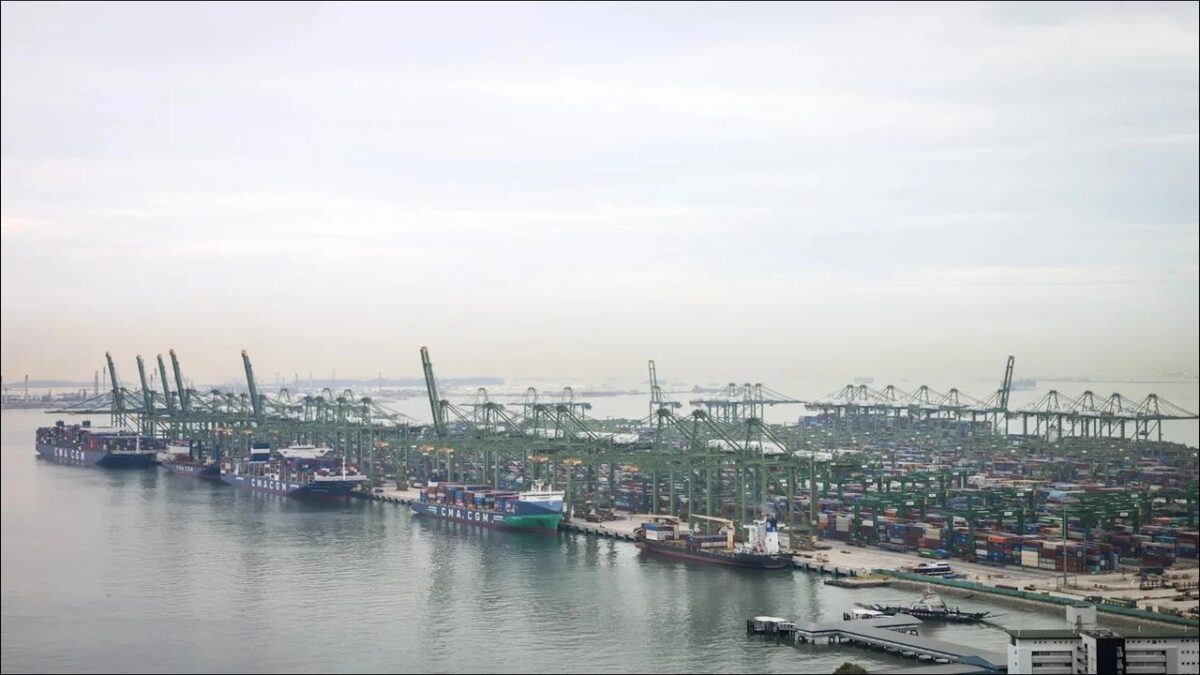
The harbor craft collision in Singapore occurred in the vicinity of Pasir Panjang Terminal, an area historically vital to Singapore’s position as a global shipping hub. Operated by PSA, Pasir Panjang was Singapore’s primary container port until the opening of the much larger Tuas Port in September 2022. Despite the emergence of Tuas, Pasir Panjang remains an exceptionally busy terminal, handling a significant volume of container shipping and other port operations. Its strategic location and extensive facilities make it a cornerstone of maritime trade in Southeast Asia, attracting vessels of all sizes and types, including workboats and supply vessels critical for daily port functions.
MPA swiftly assured the public and the global shipping community that port operations at Pasir Panjang Terminal were continuing uninterrupted despite the localized incident. This assurance is crucial for maintaining confidence in Singapore’s maritime infrastructure and its ability to manage emergencies without disrupting the flow of global trade. However, the authority also issued a safety warning, emphasizing heightened vigilance and adherence to navigational rules within the port waters. Such incidents, though rare given the sheer volume of traffic, underscore the constant need for robust safety measures and strict compliance with regulations to prevent future maritime incidents in high-traffic zones like the Singapore Strait.
Investigation and Future Maritime Safety Initiatives
The Maritime and Port Authority of Singapore has committed to conducting a full and comprehensive investigation into the vessel collision. This inquiry will delve into various aspects, including navigational practices, vessel maintenance, crew competency, communication protocols, and environmental factors at the time of the incident. Understanding the root causes of this tragic marine accident is paramount to implementing effective preventative measures and enhancing overall maritime safety. Such investigations often involve analyzing vessel data recorders, interviewing witnesses, and examining the structural integrity of the vessels involved to reconstruct the events leading up to the collision.
Lessons learned from this specific harbor craft collision will undoubtedly contribute to the continuous improvement of safety standards in Singapore’s waters and potentially beyond. As a global maritime leader, Singapore regularly reviews and updates its regulations and guidelines to mitigate risks associated with dense vessel traffic and complex port operations. The incident serves as a poignant reminder for all mariners, port operators, and regulatory bodies about the critical importance of vigilance, adherence to international maritime law, and the ongoing investment in training and technology to enhance safety. Ensuring the well-being of seafarers and port workers remains a top priority, and every maritime tragedy reinforces the need for relentless pursuit of higher safety benchmarks in the shipping industry.
This tragic event near Pasir Panjang Terminal will prompt renewed discussions on navigational safety, especially concerning smaller harbor craft and workboats operating amidst larger commercial vessels. The intricate network of waterways around the Singapore port demands exceptional seamanship and strict adherence to established traffic separation schemes and collision regulations. The maritime safety community will closely watch the outcome of the MPA’s investigation, hoping that the findings will lead to concrete actions that prevent similar losses of life in the future. The resilience of Singapore’s maritime sector is matched only by its commitment to safeguarding the lives of those who work within it, ensuring that while trade continues, it does so with the utmost regard for human life and safety.