Maersk Tankers to Develop Ammonia-Powered Carriers
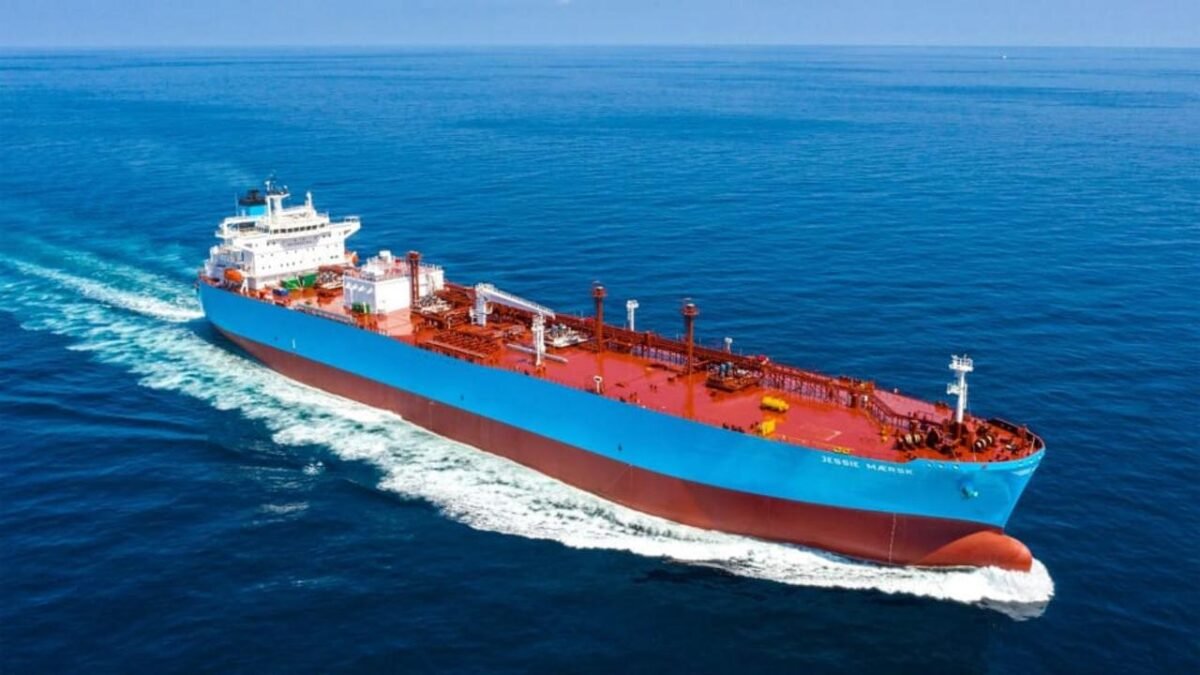
Maersk Tankers has secured provisional funding from the EU Innovation Fund to advance a project centered on retrofitting large tankers to operate on ammonia. This development marks a pivotal shift for the operator, signaling a move toward dual-fuel capability for its newly acquired fleet.
Strategic Divergence
The move highlights a widening gap in decarbonization philosophies among major tanker operators. While Maersk Tankers is leaning into the operational flexibility of dual-fuel retrofits, its rival Hafnia has notably stepped back from pursuing dual-fuel newbuilds.
This divergence suggests two competing outlooks on long-term asset strategy. Maersk Tankers appears to be betting on the viability of ammonia as a primary marine fuel, utilizing retrofits to manage the transition while minimizing the capital risk associated with early-generation, full-scale ammonia newbuilds. Conversely, the cautious stance of others indicates a reluctance to commit to current engine technologies until bunkering infrastructure and engine maturity stabilize.
Implications for Tanker Operations
Securing EU Innovation Fund support provides not only financial leverage but also regulatory validation for the project. For the tanker segment, which has historically lagged behind container shipping in the adoption of alternative fuels, the successful deployment of ammonia-powered carriers would establish a new benchmark for technical operations.
Should the retrofit project move beyond the provisional funding stage, it will likely necessitate significant changes to shipboard safety protocols and crew training regimes, given the toxic nature of ammonia compared to conventional bunkers. Furthermore, the ability to offer ammonia-powered capacity could grant Maersk Tankers a distinct advantage in chartering markets as energy majors and oil traders increasingly scrutinize the carbon intensity of their supply chains.