European Parliament Pushes Back EU Methane Regulation
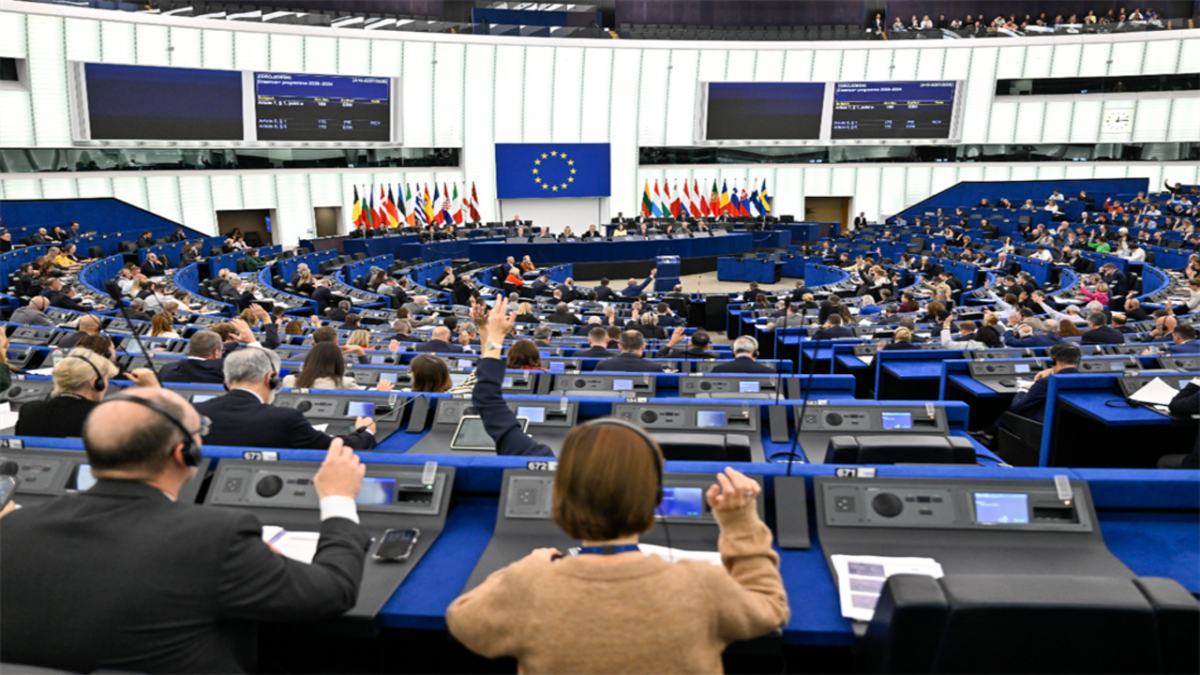
The European Parliament has voted to delay key compliance requirements under the EU Methane Regulation by three years, significantly extending the transition period for oil, gas, and coal importers. A total of 341 MEPs supported the motion on Thursday, surpassing the European Commission’s initial proposal for a one-year postponement.
Under the revised timeline, importers would have until May 31, 2031, to demonstrate that their supply contracts meet monitoring standards equivalent to EU rules. The mandatory reporting deadline for the methane intensity of fossil fuels sold within the EU has been pushed from August 5, 2029, to August 5, 2031.
Regulatory Implications
The move suggests a pragmatic recalibration of the EU’s green agenda in response to volatile energy markets. By widening the window for compliance, regulators are effectively acknowledging the difficulty of enforcing strict methane monitoring during periods of geopolitical instability, particularly amidst ongoing conflicts in the Middle East that have constricted energy supply chains.
For the maritime sector, this delay provides a crucial breathing room for upstream supply chain logistics. While the regulation primarily targets importers, the secondary impact on vessel employment and chartering operations is significant. The extended timeline mitigates the immediate pressure on charterers to audit and certify the methane intensity of their entire cargo portfolios, potentially delaying the need for rapid retrofitting of monitoring equipment or the adoption of more restrictive, albeit compliant, trade routes.
Strategic Considerations
A less obvious implication of this delay is the potential for a divergence in global versus regional standards. By postponing these mandates, the EU is avoiding a scenario where importers are forced to abandon essential, non-compliant suppliers during a period of high prices, which could have driven further inflationary pressure on energy imports. However, this also signals that the EU is willing to prioritize energy security and market stability over the immediate implementation of environmental reporting standards.
Importantly, the proposed extension excludes countries already subject to EU trade sanctions, maintaining the bloc’s current geopolitical stance on restricted energy origins. The regulation now moves to negotiations between the European Parliament and the Council of the European Union to finalize the implementation timeline.