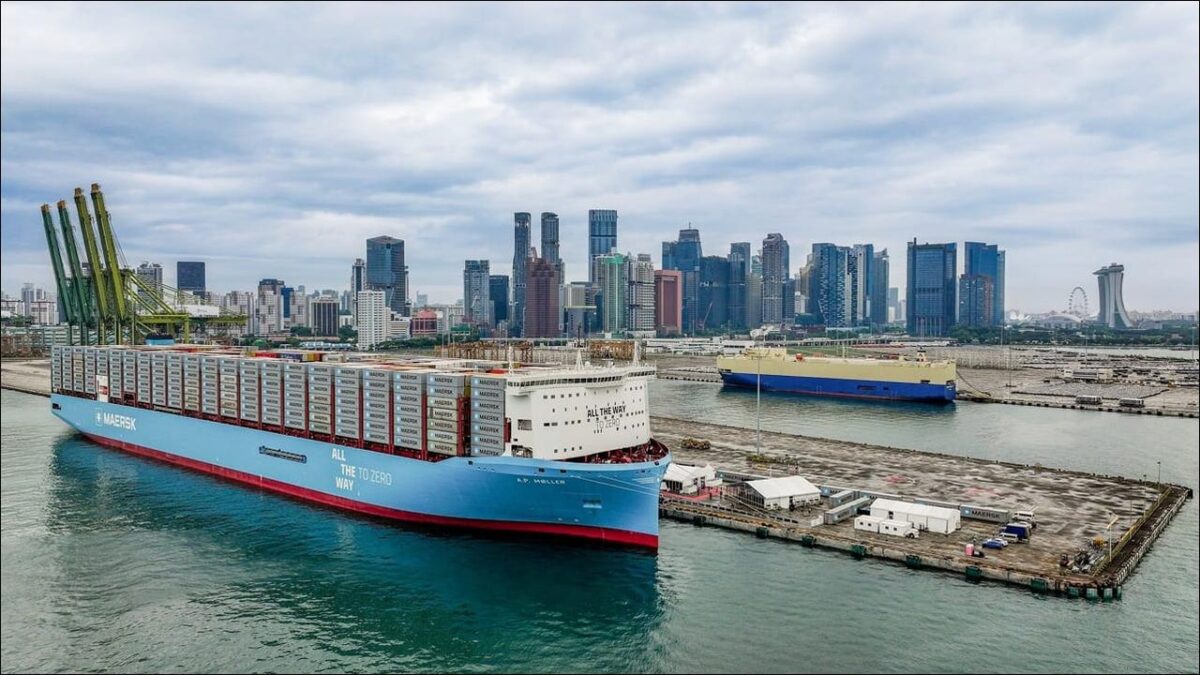
Maersk-Hapag-Lloyd Alliance Boosts Asian Port Capacity | Mariner News
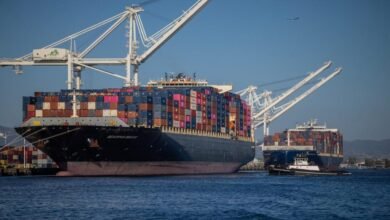
The global shipping landscape is witnessing a monumental shift as the announced alliance between two industry titans, Maersk and Hapag-Lloyd, gears up to inject a substantial increase in container capacity into Asian key ports. This strategic collaboration, set to reshape maritime logistics, is poised to add more than 2 million containers (TEUs, Twenty-foot Equivalent Units) to the region’s already bustling shipping hubs. This development is not merely an incremental adjustment; it represents a significant re-calibration of power and efficiency within the highly competitive container shipping sector, promising profound implications for global trade flows, supply chain resilience, and port operations across Asia.
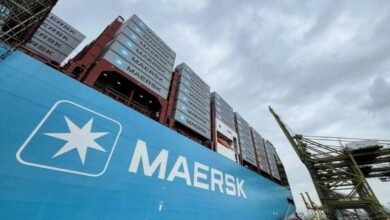
This formidable partnership between Maersk and Hapag-Lloyd, dubbed the ‘Gemini Cooperation,’ will commence in February 2025. It signifies a pivotal response to ongoing market volatility, evolving customer demands, and the continuous drive for operational excellence. By pooling their extensive resources and leveraging their collective expertise, these two leading carriers aim to deliver enhanced schedule reliability, optimized transit times, and a more robust global network. The anticipated surge in container handling capacity in critical Asian ports underscores the region’s indispensable role as the manufacturing heartland and a vital conduit for international commerce. As businesses worldwide increasingly rely on seamless and efficient maritime transport, this alliance’s commitment to bolstering Asian port capabilities is a powerful signal of its intent to lead the charge in navigating the complexities of modern global supply chains.
The Strategic Imperative Behind the Gemini Cooperation
The formation of the Gemini Cooperation between Maersk and Hapag-Lloyd is a testament to the shipping industry’s relentless pursuit of efficiency, market stability, and superior customer service. Both companies bring distinct strengths to the table, with Maersk known for its extensive global reach and integrated logistics solutions, and Hapag-Lloyd for its robust network and strong focus on operational excellence. This new alliance represents a strategic pivot for both carriers, moving away from previous arrangements – Maersk from the 2M Alliance with MSC, and Hapag-Lloyd from THE Alliance with ONE, HMM, and Yang Ming. The decision to forge this new partnership reflects a shared vision for a more agile, reliable, and sustainable future for container shipping.
At its core, the Gemini Cooperation is designed to address some of the most pressing challenges facing the maritime sector today. These include the imperative to reduce fuel consumption and carbon emissions, enhance schedule integrity in the face of port congestion and unforeseen disruptions, and optimize the utilization of a vast fleet of vessels. By consolidating their services and coordinating their port calls, the alliance aims to achieve a schedule reliability rate exceeding 90%, a significant improvement over current industry averages. This focus on punctuality and predictability is critical for shippers who rely on just-in-time inventory management and tightly coordinated supply chains. The combined network will cover 26 main line services, offering broad coverage across key trade lanes, particularly those connecting Asia with Europe and North America.
Unpacking the 2 Million TEU Capacity Boost in Asian Hubs
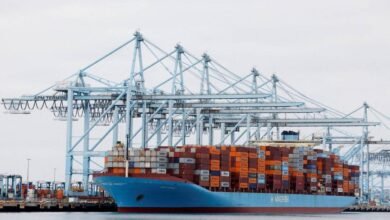
The announcement that the Maersk and Hapag-Lloyd alliance will significantly increase its capacity, equating to more than 2 million containers, at its Asian key ports is a game-changer for the region’s maritime infrastructure. This substantial injection of container capacity is not just about moving more boxes; it’s about amplifying the flow of goods, reducing transit times, and enhancing the overall efficiency of freight movement through some of the world’s busiest port complexes. Ports like Shanghai, Singapore, Busan, Hong Kong, and Shenzhen, which serve as crucial arteries for global trade, stand to benefit immensely from this strategic enhancement.
This capacity boost translates into several tangible advantages. Firstly, it means more frequent vessel calls and larger ship deployments, allowing for greater flexibility and reduced waiting times for cargo. Secondly, it strengthens the competitive position of these Asian ports, attracting more transshipment volumes and bolstering their status as global maritime hubs. Thirdly, for businesses reliant on imports and exports through these regions, it promises improved access to shipping services, potentially leading to more competitive freight rates and greater supply chain resilience. The efficient handling of these additional containers will, however, necessitate continued investment in port infrastructure, terminal operations, and intermodal transport links to ensure seamless onward distribution. The sheer scale of this capacity addition underscores the unwavering economic dynamism of the Asian continent and its centrality to global commerce.
Operational Efficiencies and Network Optimization
A primary objective of the Maersk and Hapag-Lloyd alliance is to unlock unparalleled operational efficiencies and optimize their collective network. This involves a meticulous restructuring of their vessel schedules, port rotations, and fleet deployment strategies. The synergies derived from combining their vessel networks will enable the alliance to achieve economies of scale that would be unattainable for either carrier operating independently. This means fewer blank sailings, more direct port-to-port connections, and a reduction in overall operational costs, which can ultimately translate into more competitive pricing and improved service levels for shippers.
The Gemini Cooperation’s operational model focuses on a hub-and-spoke system, where main line services call at a select number of strategically important hub ports, which are then connected to a wider network of regional feeder services. This approach minimizes the number of port calls for large vessels, thereby reducing turnaround times and fuel consumption, while maintaining extensive coverage. Furthermore, the alliance plans to leverage advanced digital tools and data analytics to continuously monitor and adjust network performance, ensuring optimal vessel utilization and proactive management of potential disruptions. This commitment to intelligent network design and execution is paramount for delivering the promised improvements in reliability and transit speed, creating a more predictable and streamlined shipping experience for customers worldwide.
Market Implications and Competitive Landscape
The formation of the Maersk and Hapag-Lloyd alliance will inevitably send ripples through the global container shipping market, reshaping the competitive landscape. As two of the largest players, their combined market share and operational scale will put pressure on other alliances and independent carriers. Competitors will need to re-evaluate their own strategies to maintain competitiveness in terms of service offerings, network coverage, and pricing. This dynamic shift could lead to further consolidation within the industry or compel other alliances to enhance their service quality and efficiency to keep pace.
For shippers, the alliance presents a mixed bag of opportunities and considerations. On one hand, the promise of higher schedule reliability, broader network coverage, and potentially more efficient freight movement is highly appealing. It offers a more dependable option for transporting goods across major trade lanes. On the other hand, increased market concentration always raises questions about potential impacts on pricing power and service choices in the long run. However, the continued presence of other major alliances and independent carriers ensures a degree of competition that prevents any single entity from monopolizing the market. The evolution of this new alliance will be closely watched as it strives to balance its strategic objectives with the broader needs of the global supply chain, ensuring value for both its members and their diverse customer base.
Future Outlook: Shaping the Global Container Shipping Industry
Looking ahead, the Maersk and Hapag-Lloyd alliance is poised to play a significant role in shaping the future trajectory of the global container shipping industry. Their joint commitment extends beyond just capacity and efficiency; it also encompasses a shared vision for sustainability and digitalization. Both companies have been vocal proponents of decarbonization efforts within the maritime sector, investing in cleaner fuels and energy-efficient vessel designs. The alliance could accelerate these initiatives by pooling resources for research and development into sustainable shipping solutions, potentially setting new benchmarks for environmental responsibility within the industry.
Furthermore, the focus on leveraging advanced digital technologies for network optimization, real-time tracking, and predictive analytics will likely set a new standard for operational intelligence in container logistics. As the world becomes increasingly interconnected and supply chains grow more complex, the ability to offer transparent, resilient, and environmentally conscious shipping solutions will be paramount. The Gemini Cooperation represents a forward-thinking response to these evolving demands, aiming to not only navigate the challenges of today but also to innovate for the opportunities of tomorrow. Its impact on Asian port development, global trade routes, and the very definition of modern maritime excellence will be substantial, ensuring the efficient flow of goods that underpin the global economy for years to come.