WBE Designs Green Methanol Bunker Vessel for Klaipeda | Mariner News
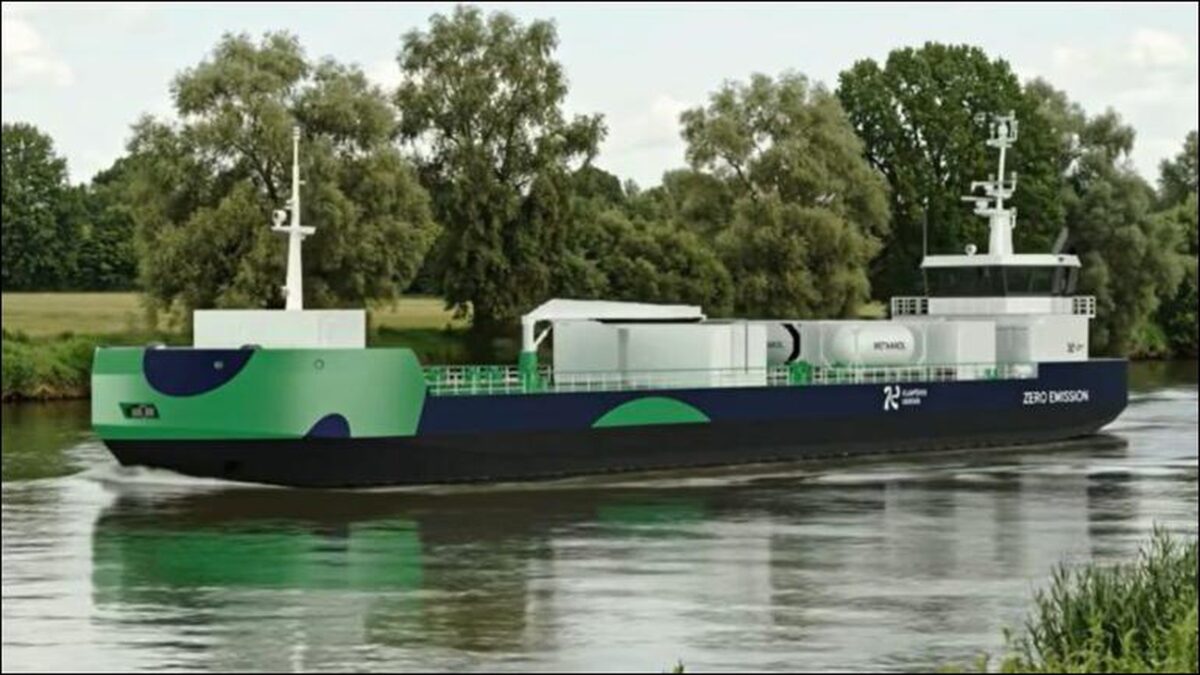
Western Baltic Engineering (WBE), a leading ship design firm, has unveiled a groundbreaking design for a green methanol bunkering vessel, marking a significant milestone in maritime decarbonization. This innovative concept directly addresses the urgent need for sustainable marine fuel infrastructure, particularly for operations within Lithuania’s strategic Port of Klaipeda. WBE’s pioneering approach underscores its commitment to advancing eco-friendly shipping, providing a tangible solution to support the global transition towards net-zero emissions. This specialized vessel is poised to facilitate the widespread adoption of lower-carbon alternative fuels, charting a course for a more environmentally responsible future at sea.
Pioneering Green Methanol Bunkering Solutions
WBE’s new concept vessel is meticulously designed to meet the unique demands of supplying alternative fuels to the maritime sector. Optimized for shallow-water and local bunkering operations, it ensures efficient service within busy port environments like Klaipeda. The design features an impressive 800 metric tons (mt) of green methanol carrying capacity, projecting the ability to supply up to 250,000 mt of this vital fuel annually. This robust capacity is crucial for satisfying the increasing energy requirements of vessels adopting cleaner propulsion technologies.
The innovative green methanol bunkering vessel draws heavily on Western Baltic Engineering’s extensive experience with methanol-ready designs. The company has skillfully integrated its profound understanding of future fuel requirements, responding directly to market demands for advanced, sustainable infrastructure. The design prioritizes operational flexibility, safety, and seamless ship-to-ship transfer of green methanol. This practical focus firmly establishes WBE at the forefront of sustainable naval architecture, delivering reliable and efficient solutions for modern maritime logistics and reinforcing Klaipeda’s role as a green maritime hub.
Driving Maritime Decarbonization with Alternative Fuels
The global maritime industry faces intense pressure to reduce its carbon footprint and achieve ambitious decarbonization targets. Green methanol stands out as a highly promising alternative marine fuel, offering substantial environmental benefits. Produced from renewable sources, it significantly reduces greenhouse gas emissions, sulfur oxides (SOx), nitrogen oxides (NOx), and particulate matter compared to conventional fossil fuels. Its cleaner combustion properties make it an attractive and compliant option for shipowners navigating increasingly stringent environmental regulations and aiming to enhance their vessels’ sustainability profiles.
Adopting lower-carbon marine fuels like green methanol necessitates a complete transformation of existing bunkering infrastructure, historically reliant on fossil fuels. Western Baltic Engineering’s green methanol bunkering vessel is instrumental in bridging this gap, providing a viable and efficient means to deliver these fuels. The design exemplifies how engineering innovation directly supports the industry’s transition, proving that the vision of net-zero emissions is attainable through strategic development and technological advancement, paving the way for a more sustainable future in maritime transport.
The growing demand for robust infrastructure supporting alternative fuels reflects not only regulatory mandates but also strong market forces. As more shipping companies invest in methanol-powered vessels, the need for safe and reliable bunkering facilities intensifies. WBE’s proactive approach in designing this specialized vessel demonstrates crucial foresight in anticipating these market shifts. This development is a critical step towards building a resilient and sustainable marine fuel supply chain, ensuring that essential bunkering services are readily available as the global fleet of methanol-enabled ships expands, marking a significant industry move towards greener operations.
Western Baltic Engineering’s Commitment to Sustainable Naval Architecture
Marius Arkusauskas, director of Western Baltic Engineering, highlighted the company’s forward-thinking philosophy: “As the maritime sector evolves, engineering companies have a responsibility not only to respond to market needs but also to anticipate future challenges.” This statement perfectly articulates the strategic rationale behind the green methanol bunkering vessel design. It represents a proactive solution, emerging from a deep understanding of evolving environmental regulations and the rapid pace of technological advancements in shipping. WBE positions itself as a pioneer, actively shaping the future of sustainable naval architecture rather than merely reacting to it.
WBE’s dedication to innovation and sustainability is deeply rooted in its operations. The firm boasts a strong, collaborative partnership with the Port of Klaipeda, a relationship that has already delivered significant eco-friendly vessel design projects. A notable example is their involvement in designing the Rasa, a hydrogen and electric-powered waste collection vessel. This innovative vessel, developed in conjunction with Baltic Workboats and Western Baltija Shipbuilding, demonstrates WBE’s versatility and capability in creating diverse sustainable maritime solutions, from clean energy propulsion to specialized environmental service vessels for port operations.
The success of the Rasa project serves as a compelling precedent for the green methanol bunkering vessel, showcasing WBE’s consistent integration of advanced, clean technologies into their designs. This proven track record reinforces confidence in WBE’s ability to not only conceptualize but also effectively execute designs that meet stringent environmental standards and complex operational requirements. Their overarching vision extends beyond individual projects, aiming to significantly contribute to the broader movement for a greener maritime future, thereby solidifying their reputation as leaders in responsible and innovative engineering solutions.
The Strategic Impact on Port Operations and Regional Sustainability
The introduction of a dedicated green methanol bunkering vessel at the Port of Klaipeda is set to profoundly transform its operations and enhance regional sustainability. By establishing a secure and efficient supply chain for sustainable marine fuels, Klaipeda can attract a greater number of vessels committed to decarbonization. This not only elevates the port’s environmental credentials but also strengthens its competitive standing as a progressive maritime hub in the Baltic Sea region. The ready availability of green methanol will streamline bunkering processes for compatible ships, reducing turnaround times and simplifying logistical complexities.
Furthermore, this development solidifies the Port of Klaipeda’s role as a frontrunner in fostering eco-friendly shipping practices. It sends a powerful message to the international maritime community that the port is well-prepared and equipped to support the next generation of clean-fueled vessels. The presence of such a facility can catalyze further investment in related green technologies and services throughout the region, creating a beneficial cycle of economic growth intertwined with robust environmental protection. This positions Klaipeda as a critical node within the evolving network of green fuel bunkering infrastructure, an indispensable component for global shipping routes striving for reduced emissions.
The positive ripple effect of this initiative will extend well beyond Klaipeda’s immediate vicinity. As a vital port in the Baltic, its embrace of green methanol bunkering is likely to inspire neighboring ports and shipping lines to accelerate their own sustainability efforts. It establishes a practical benchmark and powerfully demonstrates the feasibility of implementing advanced alternative fuel solutions, even within environmentally sensitive maritime areas. This regional leadership in sustainable fuel solutions helps cultivate an ecosystem where greener maritime practices become the norm, driving collective progress towards a more environmentally sound and energy-efficient shipping industry across Northern Europe.
The Future of Green Shipping and Bunkering Infrastructure
The unveiling of Western Baltic Engineering’s green methanol bunkering vessel design signifies much more than a new concept; it is a clear testament to the transformative direction of the maritime industry. The future of shipping is intrinsically linked with alternative fuels and the innovative bunkering technology essential to support them. While methanol is a prominent contender, continuous research and development in other fuels, such as ammonia, hydrogen, and various biofuels, will undoubtedly diversify the energy landscape further. The fundamental principles of safe, efficient, and scalable bunkering infrastructure, exemplified by WBE’s pioneering design, will remain paramount regardless of the specific fuel adopted in the long term.
A significant challenge in scaling up green methanol production and supply lies in securing adequate renewable energy sources for its synthesis and establishing a robust global distribution network. Vessel designs like WBE’s are crucial for solving the distribution puzzle, acting as the vital link between producers and maritime consumers. As international regulations become stricter and environmental awareness intensifies, investment across the entire value chain—from renewable energy generation to fuel production, storage, and bunkering services—is set to accelerate dramatically. This integrated, holistic approach is indispensable for achieving the industry’s ambitious decarbonization goals and transforming eco-friendly shipping from an aspiration into a widespread, operational reality.
Western Baltic Engineering, through its innovative designs and strategic collaborations, continues to play a pivotal role in this ongoing maritime transformation. By proactively anticipating future industry needs and consistently delivering practical engineering solutions, companies like WBE are driving the essential transition towards a truly sustainable maritime sector. The green methanol bunkering vessel for Klaipeda stands as a beacon of progress, powerfully illustrating that with ingenuity, dedication, and collaborative effort, the complex challenges of maritime decarbonization can be successfully overcome. This unwavering commitment to innovation is setting new benchmarks for the entire industry, ensuring that the critical path to a carbon-neutral future for shipping is not only envisioned but actively and expertly constructed.