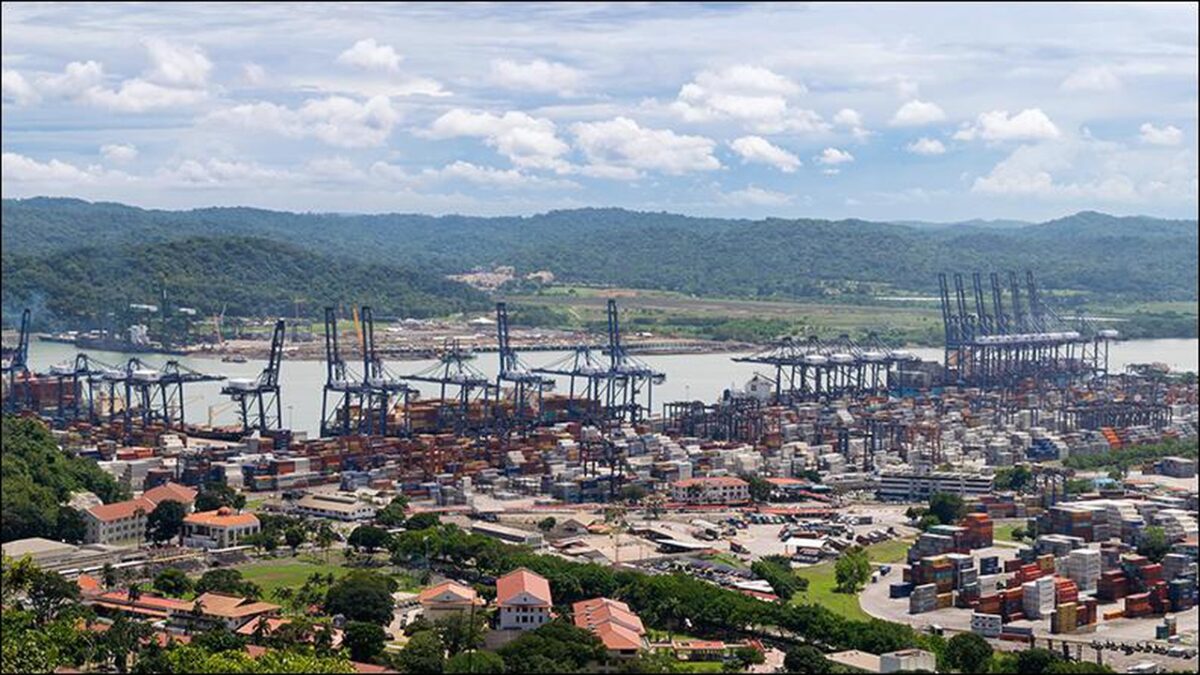
Panama & China Talks: Resolving Shipping Dispute | Mariner News
Panama officials have embarked on a critical diplomatic mission to China, engaging in high-level talks aimed at alleviating a significant Panama shipping dispute. This bilateral engagement underscores the global ramifications of maritime friction, especially concerning two nations pivotal to international trade and logistics. The discussions are anticipated to address various facets of the disagreement, seeking pathways to de-escalate tensions and foster greater stability in maritime trade. As a key conduit for global commerce, Panama’s shipping relations, particularly with an economic powerhouse like China, have far-reaching implications for supply chains, commodity prices, and overall economic health worldwide. Resolving this shipping dispute is not merely a matter of bilateral interest but a pressing concern for the entire global shipping industry.
The delegation’s visit highlights the strategic importance both countries place on maintaining fluid and efficient global logistics. The specifics of the Panama shipping dispute remain a subject of intense scrutiny, but it is understood to encompass a range of issues potentially impacting port access, trade volumes, transit protocols, or even broader trade agreements. These talks are crucial for safeguarding the smooth flow of goods through vital maritime arteries, including the iconic Panama Canal, which is central to countless shipping routes connecting Asia, the Americas, and beyond. Stakeholders across the international commerce spectrum are closely watching these developments, hoping for a swift and equitable shipping dispute resolution that reinforces confidence in the stability of global supply chains.
Unpacking the Panama Shipping Dispute: Origins and Impact
The origins of the current Panama shipping dispute are multifaceted, potentially stemming from evolving geopolitical dynamics, trade policy adjustments, or operational disagreements that have gradually escalated. While specific details often remain confidential during such sensitive bilateral talks, it’s plausible that issues related to port services, cargo handling fees, preferential treatment for certain shipping lines, or even perceived imbalances in trade volume have contributed to the friction. Such a maritime disagreement between two significant players can create considerable uncertainty, directly affecting shipping schedules, increasing operational costs for carriers, and potentially leading to diversions that add time and expense to global shipping routes. The ripple effects are often felt by consumers through higher prices and by industries through disrupted production cycles.
Economically, the repercussions of an unresolved shipping dispute are substantial. For Panama, a nation whose economy is deeply intertwined with its maritime infrastructure, any disruption in canal operations or port activities can significantly impact national revenue and employment. For China, as the world’s largest exporter and a major importer of raw materials, impediments to its global logistics network pose a direct threat to its economic growth and its ability to maintain robust international trade relationships. The intricate web of global supply chains means that delays or increased costs in one region, particularly along a critical artery like the Panama Canal, can rapidly propagate throughout the entire system, affecting manufacturing, retail, and ultimately, consumer availability of goods. Addressing these root causes and mitigating their effects are paramount objectives for the Panamanian delegation in Beijing.
Panama’s Pivotal Role in Global Maritime Trade
Panama’s geographical location has cemented its status as an indispensable nexus in global maritime trade, primarily due to the existence of the Panama Canal. This engineering marvel provides a crucial shortcut for vessels traveling between the Atlantic and Pacific oceans, saving thousands of miles and considerable time compared to alternative routes around Cape Horn. The Canal facilitates an enormous volume of international commerce, handling a diverse range of cargo from container ships laden with manufactured goods to bulk carriers transporting raw materials and tankers carrying energy supplies. Its strategic importance makes Panama a bellwether for the health of global shipping, with its efficiency and accessibility directly influencing the cost and speed of international logistics. Any challenge to its operational fluidity or the broader maritime environment in Panama immediately garners worldwide attention.
The country’s role extends beyond just the Canal; Panama also boasts a significant shipping registry, making it a flag state for a vast proportion of the world’s merchant fleet. This further underscores its deep integration into the global maritime ecosystem. Disruptions, such as a prolonged Panama shipping dispute, can jeopardize the seamless movement of goods through this vital corridor, thereby impacting economies reliant on timely deliveries and competitive freight rates. Nations across the Americas, Europe, and Asia depend on the Panama Canal for their trade arteries, making the stability of canal operations and the wider Panamanian maritime sector a global economic imperative. The ongoing China talks are thus not just about two nations but about preserving the efficiency of a critical global conduit.
China’s Strategic Maritime Interests and Economic Ties
China’s position as a global manufacturing powerhouse and the world’s largest trading nation inextricably links its economic fortunes to the stability and efficiency of global shipping. With its Belt and Road Initiative (BRI), China has further expanded its maritime influence, investing heavily in port infrastructure and logistics networks worldwide. A smooth, predictable, and cost-effective maritime trade environment is therefore non-negotiable for China’s continued growth and its ability to supply international markets with goods while importing essential resources. Any shipping dispute that impacts critical global choke points or key trading partners directly threatens China’s economic stability and its strategic geopolitical ambitions. The nation’s reliance on efficient global logistics makes active participation in shipping dispute resolution a top priority.
The economic ties between China and Panama have been strengthening in recent years, with China becoming a significant user of the Panama Canal and an increasingly important trade and investment partner for the Central American nation. Chinese shipping lines are among the largest operators through the Canal, transporting vast quantities of goods to and from various global destinations. This deep economic interdependence means that the current maritime disagreement carries significant weight for both parties. China’s engagement in these bilateral talks signifies its commitment to protecting its extensive maritime interests and ensuring uninterrupted access to crucial global trade routes, demonstrating a strategic approach to safeguarding its economic lifelines and fostering predictable international commerce flows.
The Agenda: Objectives of the Bilateral Talks
The agenda for the Panama-China talks is robust, focusing primarily on achieving a comprehensive shipping dispute resolution that restores equilibrium and predictability to maritime trade between the two nations and through key global routes. Both sides are expected to lay out their concerns and proposals, aiming to identify common ground for constructive engagement. Key objectives likely include de-escalating any existing trade friction, formalizing agreements on port access and operational standards, and establishing clear guidelines for future interactions to prevent similar maritime disagreements. The overarching goal is to reinforce the framework for secure and efficient global logistics, which is mutually beneficial for both economies and the broader international shipping community.
The Panamanian delegation will likely seek reassurances regarding the treatment of its vessels and the consistent application of international shipping regulations, while China will undoubtedly emphasize the importance of open and fair access for its considerable fleet. Discussions may also extend to areas of potential cooperation, such as enhancing canal operations through technological upgrades, exploring joint ventures in maritime infrastructure, or developing more sustainable shipping practices. These diplomatic negotiations are not merely about fixing a problem; they are also an opportunity to strengthen bilateral talks and foster a more resilient partnership that can withstand future challenges in the dynamic world of global shipping. The outcomes will set a precedent for how critical shipping disputes are managed between influential maritime nations.
Navigating Towards Resolution: Potential Outcomes and Global Ramifications
The potential outcomes of the Panama shipping dispute resolution range from immediate, comprehensive agreements to ongoing negotiations that establish a framework for future discussions. A successful resolution, characterized by renewed cooperation and clearer operational protocols, would significantly bolster confidence in global supply chain stability. Such an outcome would reassure shippers, carriers, and importers worldwide that a critical choke point like the Panama Canal remains reliable and accessible, facilitating the unimpeded flow of international commerce. This would likely lead to a stabilization of freight rates, improved transit times, and a reduction in the logistical uncertainties that have plagued various sectors of global shipping. The positive ripple effect would benefit economies heavily reliant on these trade routes, from manufacturers in Asia to retailers in the Americas.
Conversely, a failure to reach a substantial agreement could prolong the maritime disagreement, potentially leading to increased costs, longer transit times, and even diversions of shipping traffic, with vessels opting for alternative, often longer and more expensive, routes. This would place added strain on global logistics, exacerbate existing supply chain vulnerabilities, and introduce further volatility into maritime trade. Beyond the immediate economic consequences, the resolution, or lack thereof, also carries significant geopolitical weight. Strengthened diplomatic and economic ties between Panama and China, facilitated by a successful resolution, could signal a renewed era of cooperation in global shipping governance, potentially influencing future international maritime policies and alliances. The world watches keenly as these two nations work to chart a course toward a more stable maritime future.
Challenges and Opportunities in Maritime Diplomacy
Achieving a swift and comprehensive shipping dispute resolution is rarely without its challenges, particularly when dealing with complex maritime disagreements involving nations with significant global trade stakes. Differences in national interests, regulatory frameworks, and economic priorities can present substantial hurdles during bilateral talks. Furthermore, the dynamic nature of global shipping, influenced by factors such as environmental regulations, technological advancements, and shifting trade patterns, means that any resolution must be adaptable and forward-looking. The negotiations may involve intricate compromises and concessions from both sides to ensure a mutually beneficial outcome that addresses both immediate concerns and long-term strategic objectives for global logistics. Overcoming these challenges will require astute diplomacy, a willingness to engage in good faith, and a shared vision for a stable maritime trade environment.
Despite the complexities, these China talks also present significant opportunities. A successful resolution of the Panama shipping dispute can pave the way for enhanced cooperation in areas beyond the immediate conflict. This could include joint initiatives in infrastructure development aimed at improving canal operations, collaborative efforts in maritime security, or shared research into sustainable shipping technologies. Such partnerships would not only fortify the international commerce ties between Panama and China but also contribute positively to global efforts in making maritime trade more resilient, efficient, and environmentally responsible. Ultimately, the ability of both nations to navigate these diplomatic waters effectively will underscore the importance of dialogue in maintaining the arteries of global shipping, turning a point of friction into a foundation for stronger, more collaborative future relationships.