Itochu Boosts Singapore Ammonia Bunkering Trials | Mariner News
Itochu Corporation, a global trading giant, is set to make significant strides in maritime decarbonization with its subsidiary ZETA Bunkering receiving crucial authorization from the Maritime and Port Authority of Singapore (MPA) for pioneering ammonia bunkering trials in the bustling Port of Singapore. This monumental approval, effective May 15, marks a pivotal moment for the shipping industry, propelling the transition towards cleaner, more sustainable marine fuels. The trials are not merely a local initiative but a crucial component of Itochu’s broader vision to establish a robust global ammonia marine fuel supply chain and develop advanced ammonia-fuelled vessels, underscoring the urgency and commitment required to meet ambitious environmental targets. As the maritime sector grapples with increasingly stringent emissions regulations, the development of viable alternative fuels like ammonia is paramount, and Singapore’s role as a leading bunkering hub positions it at the forefront of this green transformation.
Paving the Way for Green Maritime Fuels in Singapore
Singapore, renowned as the world’s largest bunkering port, is actively championing the adoption of low-carbon and zero-carbon fuels to future-proof the global shipping industry. The MPA’s backing for Itochu’s ammonia bunkering initiative is a testament to the nation’s commitment to fostering a sustainable maritime ecosystem. This authorization follows a comprehensive review process, wherein Itochu and ZETA Bunkering meticulously submitted detailed safety studies, exhaustive risk assessments, and robust business plans, ensuring that all operational protocols adhere to the highest safety standards. The two-year trial period will systematically evaluate the operational procedures, refine the necessary port infrastructure, and test the cutting-edge technologies vital for safely and efficiently handling ammonia as a marine fuel. Such trials are indispensable for scaling up future fuel operations, providing invaluable real-world data and insights that will inform regulatory frameworks and industry best practices. The collaborative spirit between a major player like Itochu and a proactive regulator like the MPA is essential in navigating the complexities of introducing novel fuels into mainstream maritime operations, addressing both technical and environmental challenges head-on.
Moreover, the strategic importance of conducting these trials in Singapore cannot be overstated. As a pivotal maritime crossroads, the successful implementation of ammonia bunkering here sends a powerful signal to the global shipping community, demonstrating the feasibility and potential of ammonia as a viable future fuel. This move reinforces Singapore’s position not only as a bunkering hub but also as a hub for innovation and sustainable shipping solutions. The trials will contribute significantly to developing a comprehensive understanding of ammonia’s unique characteristics, including its handling, storage, and safety requirements within a port environment. Lessons learned from these operations will be crucial for other ports worldwide contemplating similar transitions, accelerating the industry’s collective journey towards deep decarbonization. Itochu’s foresight in securing this backing highlights the critical role of industry leaders in driving change and investing in the infrastructure necessary for a green shipping future.
Operationalizing Ammonia as a Marine Fuel: The Trial Details
Itochu’s ambitious plans include conducting demonstration bunkering operations in late 2027, marking a crucial milestone in the ammonia bunkering trials. These demonstrations will involve a strategic partnership with Mitsui O.S.K. Lines (MOL), a leading global shipping company. Together, they plan to supply ammonia fuel to dual-fuel bulk carriers within the Port of Singapore, showcasing a tangible application of this innovative fuel technology. The choice of dual-fuel bulk carriers is significant, as it represents a practical approach to fuel transition, allowing vessels to operate on both conventional and alternative fuels, thereby ensuring operational flexibility and minimizing transitional risks. This collaboration leverages the strengths of both companies: Itochu’s expertise in energy trading and logistics, and MOL’s extensive experience in ship operations and management, creating a formidable alliance to de-risk and advance ammonia as a marine fuel.
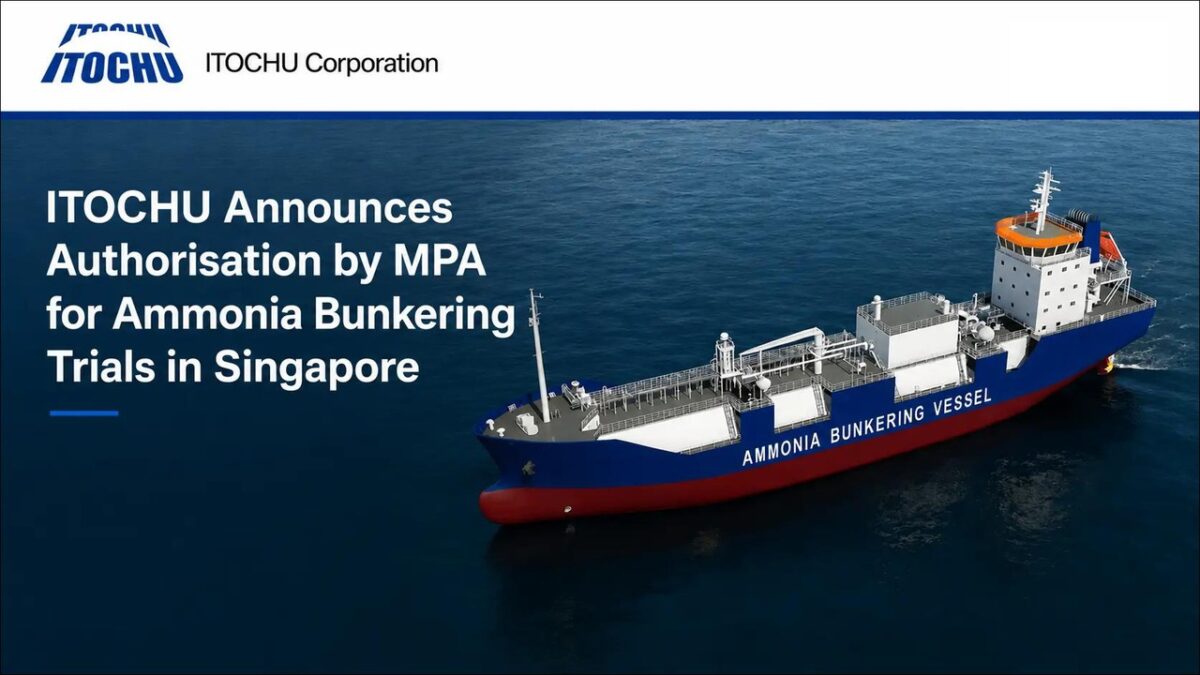
To support these trials and future commercial operations, Itochu has already placed an order for a dedicated 5,000 cubic meter ammonia bunker vessel, which is slated for delivery in 2027. This specialized vessel will be critical for the safe and efficient delivery of ammonia to ships, underscoring the significant infrastructure investment required for this energy transition. The design and construction of such a vessel are complex, demanding advanced engineering to handle ammonia’s unique properties, including its toxicity and cryogenic storage requirements. The development of a fit-for-purpose bunker vessel is a key enabler for establishing a robust and reliable ammonia supply chain, ensuring that bunkering operations are conducted with the highest levels of safety and environmental responsibility. These operational details highlight the meticulous planning and substantial capital commitment involved in transitioning to new marine fuels.
Itochu’s Broader Vision: A Global Ammonia Supply Chain
While the Singapore trials are a vital localized effort, they are intrinsically linked to Itochu’s much broader, long-term strategy to accelerate the development of ammonia-fuelled vessels and forge a comprehensive global ammonia marine fuel supply chain. This holistic approach recognizes that the successful adoption of ammonia as a primary marine fuel requires not only vessel technology but also a worldwide network for production, storage, and distribution. Itochu is actively engaged in various projects aimed at decarbonizing shipping, positioning itself as a leader in the global energy transition. This includes investments in green ammonia production facilities, research into efficient ammonia engine technologies, and partnerships across the entire value chain, from producers to end-users.
Establishing a global ammonia supply chain necessitates significant international cooperation and investment. Itochu’s strategic initiatives extend beyond Singapore, aiming to replicate and scale successful bunkering models in other key maritime regions. The company envisions a future where ammonia is readily available at major bunkering hubs worldwide, facilitating the widespread adoption of ammonia-powered ships. This long-term vision is crucial for achieving the maritime industry’s ambitious decarbonization targets set by the International Maritime Organization (IMO), which call for substantial reductions in greenhouse gas emissions. By taking a proactive stance in developing both the supply and demand sides of the ammonia marine fuel market, Itochu is playing a pivotal role in shaping the future of sustainable maritime transport. Their commitment underscores the belief that ammonia holds immense potential as a zero-carbon fuel for long-haul shipping.
The Future of Bunkering: Challenges and Opportunities
The shift to ammonia as a marine fuel presents both considerable challenges and exciting opportunities for the maritime sector. On the opportunity side, ammonia offers a pathway to significantly reduce greenhouse gas emissions, as its combustion does not produce carbon dioxide. When produced from renewable energy sources (green ammonia), it can represent a truly zero-carbon fuel cycle, a critical factor in achieving the industry’s net-zero aspirations. Furthermore, ammonia is relatively easier to store and transport than hydrogen, another promising zero-carbon fuel, and existing infrastructure for handling ammonia in other industries could potentially be adapted for marine use, offering some economies of scale.
However, the challenges associated with ammonia bunkering are substantial and require careful management. Ammonia is toxic and corrosive, necessitating stringent safety protocols, specialized equipment, and extensive crew training to prevent leaks and exposure. Its relatively low energy density compared to traditional fuels means that larger fuel tanks are required, potentially impacting cargo capacity. Moreover, the production of green ammonia is currently energy-intensive and expensive, which will influence fuel costs in the short to medium term. The development of robust regulatory frameworks, classification society rules, and port guidelines for ammonia handling is also an ongoing process. Despite these hurdles, the pioneering efforts by companies like Itochu, supported by forward-thinking authorities like the MPA, are systematically addressing these challenges, transforming potential obstacles into actionable solutions. The global maritime community is keenly observing these trials, understanding that successful outcomes will unlock a significant new chapter in sustainable shipping and energy transition, fostering a new era of clean and efficient marine operations that meet the demands of a climate-conscious world.
In conclusion, Itochu’s authorized ammonia bunkering trials in Singapore, backed by the MPA, represent a monumental step forward in the global maritime industry’s quest for decarbonization. This initiative not only solidifies Singapore’s role as a leader in sustainable shipping but also demonstrates Itochu’s unwavering commitment to pioneering innovative fuel solutions. The intricate planning, strategic partnerships, and substantial investments in infrastructure, such as the dedicated ammonia bunker vessel, underscore the seriousness with which the industry is embracing ammonia as a viable future fuel. As these trials progress, they will provide invaluable insights, refine operational procedures, and set new benchmarks for safety and efficiency in marine fuel transitions. The lessons learned will undoubtedly pave the way for a broader adoption of ammonia, driving the maritime sector closer to its zero-emission goals and ushering in an era of truly green shipping. The collective efforts of industry players and regulatory bodies are crucial in navigating this complex yet essential journey towards a sustainable maritime future.