Iran Threatens Red Sea Oil Route Closure with Houthis | Mariner News
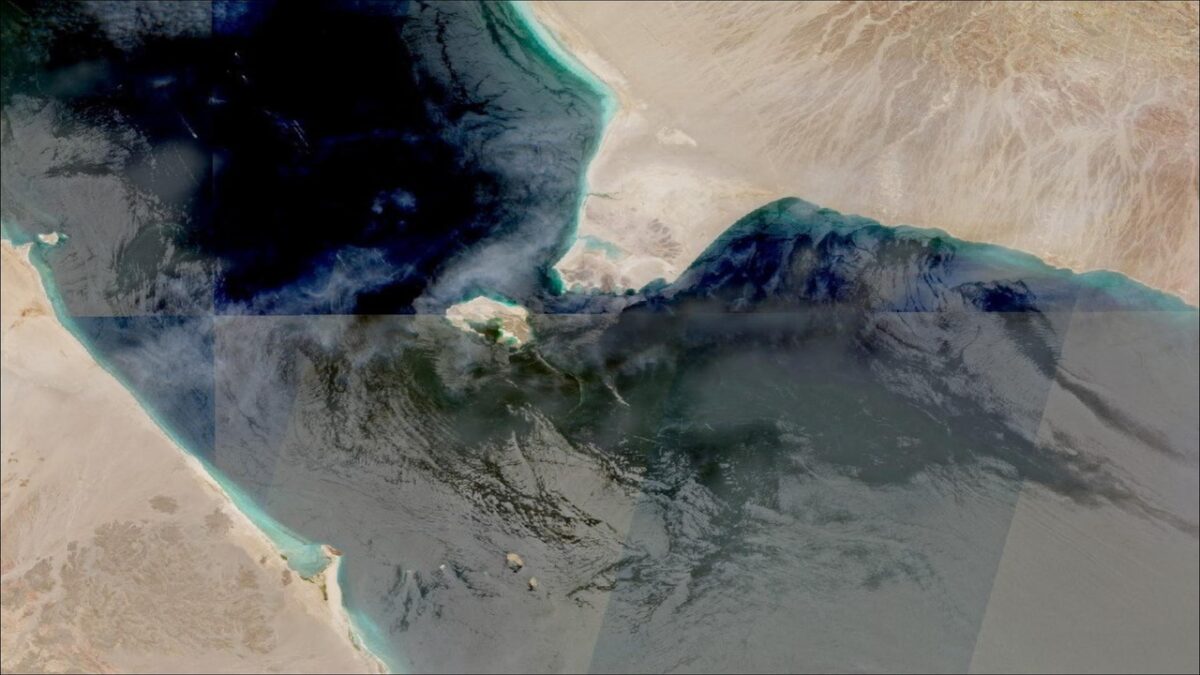
In a development that threatens to send seismic waves through global energy markets and maritime trade, Iran has reportedly instructed Yemen’s Houthi movement to prepare for the potential closure of the critical Red Sea oil route. This directive, conveyed amidst escalating tensions, suggests that Tehran might trigger such a disruptive action should the United States target Iranian power infrastructure. The implications of such a move are profound, threatening to severely disrupt global energy supplies and reshape the dynamics of international shipping. This strategic threat, if executed, would directly impact the flow of crude oil and liquefied natural gas (LNG) through one of the world’s most vital maritime choke points, the Bab el-Mandeb strait, a narrow waterway connecting the Red Sea to the Gulf of Aden and Arabian Sea. The situation underscores the volatile nature of geopolitical rivalries in the Middle East and the immediate risks they pose to the stability of the global economy, particularly for oil tankers and cargo vessels reliant on this passage.
The Strategic Significance of the Red Sea Gateway
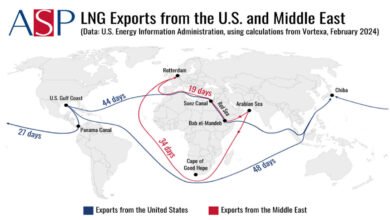
The Red Sea, and particularly the Bab el-Mandeb strait, is not merely a body of water; it is a critical artery for international maritime commerce and a lynchpin of global energy security. Annually, millions of barrels of crude oil and petroleum products, along with countless containers and other goods, transit through this narrow passage en route to Europe, North America, and Asia. For oil tankers, this waterway represents the most efficient path between Middle Eastern oil producers and Western consumers, bypassing the much longer and more costly route around the Cape of Good Hope. Its closure, even temporarily, would force shipping companies to reroute vessels, leading to significantly increased transit times, higher fuel costs, and soaring insurance premiums. Such delays would translate into immediate spikes in oil prices, affecting economies worldwide. The strait’s strategic importance is further amplified by its proximity to the Suez Canal, forming an integral part of the maritime highway that connects the Mediterranean Sea to the Indian Ocean. Any disruption here would ripple across the entire global supply chain, impacting everything from energy prices to the cost of consumer goods. Maintaining open and secure maritime passages in this region is paramount for the uninterrupted flow of global trade and stable energy markets, making Iran’s recent directive to the Houthis a matter of grave international concern.
Escalating Tensions: Iran’s Directive to the Houthis
The recent revelation that Iran has urged its Houthi allies to be ready to close the Red Sea oil route if the United States attacks Iranian power infrastructure marks a dangerous escalation in a long-standing geopolitical standoff. This message, conveyed to Houthi leadership, highlights Iran’s intent to weaponize its regional proxies to create leverage against potential American military actions. For years, the Houthis have demonstrated their capacity to disrupt maritime activity in the region, employing missiles, drones, and naval mines against commercial vessels, particularly near the Bab el-Mandeb strait. While their previous attacks have been sporadic and often aimed at Saudi-led coalition forces or their allies, a coordinated effort to blockade or severely restrict passage through the Red Sea would represent an unprecedented level of aggression. Tehran’s strategy appears to be a calculated risk, aiming to deter any U.S. strikes on its critical infrastructure by presenting a direct and devastating economic consequence for the global community. Such a tit-for-tat escalation could spiral quickly, drawing in more regional and international actors and transforming existing proxy conflicts into direct confrontations. The request not only underscores the deep ties between Iran and the Houthis but also showcases how non-state actors can be instrumentalized in high-stakes geopolitical maneuvers, holding global energy security hostage to regional disputes.
Disrupting Global Maritime Commerce and Energy Flows
Should the Red Sea oil route be effectively closed or made too perilous for navigation, the immediate repercussions for global maritime commerce would be catastrophic. Oil tankers and other cargo vessels would be compelled to reroute around the southern tip of Africa, significantly extending journey times by weeks. This longer transit would mean higher fuel consumption, increased operational costs, and a substantial rise in maritime insurance premiums, all of which would be passed on to consumers. The availability of crude oil and refined petroleum products would dwindle, leading to a sharp increase in energy prices globally. Beyond oil, the closure would also impact other forms of maritime trade, including container shipping carrying manufactured goods and bulk carriers transporting raw materials. Supply chains, already fragile from various global disruptions, would face immense pressure, potentially leading to shortages and inflationary pressures across various sectors. The ripple effect would not be confined to energy; every industry relying on international shipping for raw materials or distribution would feel the pinch. Such a scenario could plunge the global economy into a severe downturn, affecting everything from manufacturing output to consumer purchasing power. The strategic imperative to keep the Bab el-Mandeb strait open is therefore a matter of international economic stability, not just regional security, making Iran’s warning a grave concern for all trading nations.
Houthi Capabilities and the Threat Landscape
The Houthi movement has, over the years, amassed a formidable arsenal of asymmetric warfare capabilities, posing a credible threat to maritime security in the Red Sea. They possess various types of anti-ship missiles, including sophisticated cruise missiles, and unmanned aerial vehicles (UAVs) or drones, which can be used to target commercial vessels. Reports indicate that the Houthis have already deployed these weapons systems near the Bab el-Mandeb strait, completing preparations to attack shipping. Their past actions, including attacks on Saudi tankers and other commercial ships, demonstrate a willingness and capacity to act on their threats. While a full naval blockade of the Red Sea is a monumental task, even sporadic and targeted attacks could create an environment of extreme risk, effectively deterring commercial shipping due to prohibitive insurance costs and the danger to crew and cargo. The psychological impact of such a threat, coupled with actual attacks, could be sufficient to force rerouting. Furthermore, the Houthis also possess sea mines and fast attack boats, adding to the complexity of any potential maritime security operation in the region. The effectiveness of any Red Sea closure would hinge on their ability to sustain attacks and maintain a high level of threat, making commercial passage untenable. This assessment of Houthi capabilities underscores that the Iranian directive is not an idle threat but rather a calculated strategy leveraging proven proxy forces with demonstrated operational capacity.
Geopolitical Fallout and International Response
An Iranian-orchestrated closure of the Red Sea oil route by the Houthis would trigger immediate and severe geopolitical fallout. International maritime powers, particularly those with significant economic interests tied to global energy supplies, would likely condemn such an action and potentially consider military responses to ensure freedom of navigation. The United States, along with its allies in Europe and Asia, would face immense pressure to protect this vital shipping route. Any military intervention, however, carries the inherent risk of escalating the conflict further, potentially leading to a broader regional confrontation. Saudi Arabia and other Gulf states, whose oil exports heavily rely on secure passage through the Red Sea, would also be directly impacted and would likely seek strong international action. The situation could exacerbate existing tensions in the region, drawing in other proxies and turning a localized conflict into a wider international crisis. Diplomacy would be critical, yet challenging, given the entrenched positions of the various actors. The United Nations and other international bodies would undoubtedly call for restraint and negotiation, but the urgency of safeguarding global energy supplies might compel more decisive actions. The world would watch closely to see if this constitutes a mere threat or a concrete step towards a naval blockade, and how major powers choose to respond to such a direct challenge to international maritime law and economic stability.
Ultimately, the prospect of Iran directing the Houthis to close the Red Sea oil route represents a chilling reminder of the fragility of global energy supplies and maritime security. This potential action, if realized, would not only impose substantial economic costs through disruptions to oil tankers and global shipping but also dramatically heighten geopolitical tensions in an already volatile region. The international community, governments, and industry stakeholders are now faced with the critical challenge of navigating this perilous scenario, balancing diplomatic efforts with the imperative to protect vital trade arteries. The coming weeks and months will reveal whether this remains a deterrent threat or escalates into a direct challenge with far-reaching consequences for the global economy and peace.