Greek Shipowners Drive Record Crude Tanker Orders | Mariner News
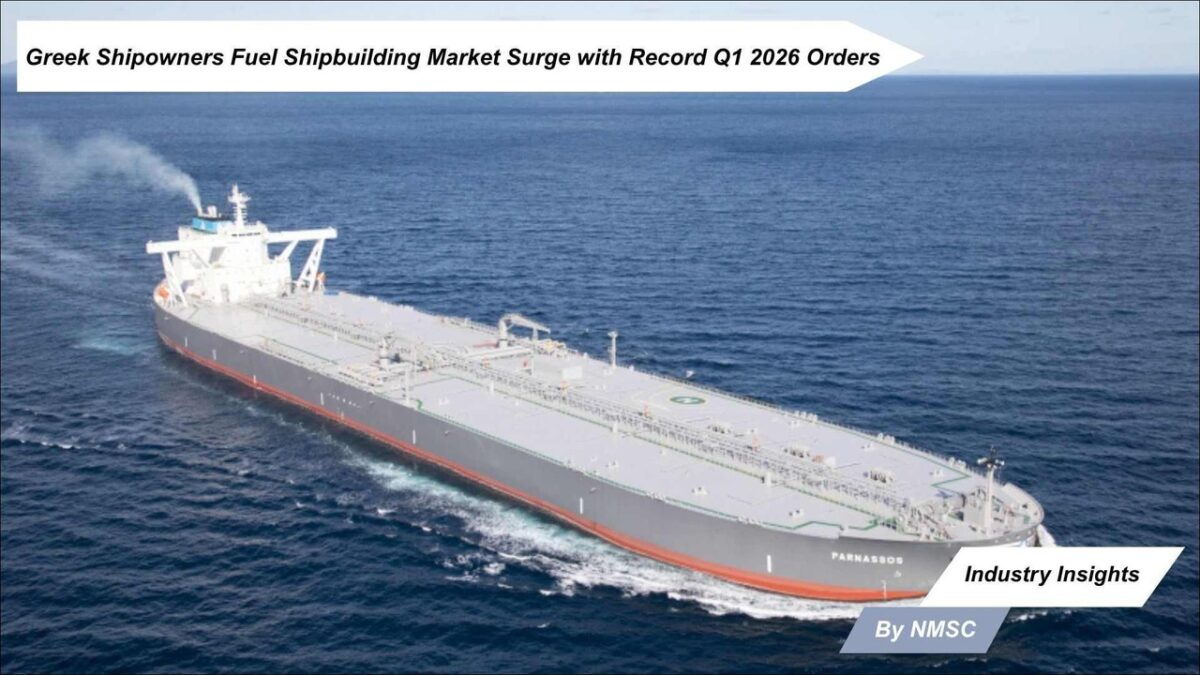
The global shipping landscape is witnessing an extraordinary phenomenon, as Greek shipowners lead a record-breaking surge in crude tanker orders, fundamentally reshaping the future of maritime oil transportation. This unprecedented wave of newbuilding acquisitions has propelled the global crude oil tanker orderbook to levels not seen in over a decade, underscoring a robust confidence in the long-term demand for oil and the strategic foresight of one of the world’s most influential shipping communities. The first half of 2026 concluded with a staggering 630 crude oil tankers on order, a figure that surpasses the previous peak recorded in 2008 and signals a significant expansion of the world’s tanker fleet.
This robust investment activity is not merely an incremental rise but a dramatic acceleration. In the first six months of 2026 alone, orders were placed for 261 new tankers, eclipsing the 234 vessels contracted during the entirety of 2006, which was previously a benchmark year for newbuilding activity. What is particularly striking about this current boom in tanker orders is the overwhelming preference for conventionally fuelled vessels. A staggering 98% of these new acquisitions are designed to run on traditional marine fuels, with only a small fraction—2%—opting for alternative fuels, specifically LNG. This trend highlights the shipping industry’s current pragmatic approach to fleet renewal, balancing immediate operational efficiencies with long-term environmental considerations, while also reflecting prevailing uncertainties surrounding future fuel technologies and infrastructure.
The Unprecedented Surge in Global Tanker Orders
The record-setting pace of global tanker orders in the first half of 2026 marks a pivotal moment for the maritime sector. The sheer volume of vessels – an orderbook exceeding 600 crude oil tankers – demonstrates a collective strategic bet by owners on future crude oil demand and the enduring role of sea-borne transportation. This aggressive expansion contrasts sharply with recent years, which saw more cautious investment in newbuildings due to market volatility and evolving environmental regulations. The data indicates a renewed confidence that current market conditions and future projections warrant substantial fleet renewal and expansion.
While the industry grapples with decarbonization targets, the strong preference for conventionally fuelled tankers in these new orders indicates that immediate operational flexibility and proven technology remain key drivers for investors. The relatively nascent stage of alternative fuel infrastructure, coupled with the higher capital expenditure associated with dual-fuel vessels, seems to have steered most shipowners towards traditional designs. This trend, however, also presents a long-term challenge as the industry moves towards stricter emissions regulations, suggesting that these newly ordered conventional vessels may face retrofitting requirements or accelerated obsolescence down the line.
Greek Shipowners: At the Helm of the Newbuilding Boom
Greek shipowners, long recognized as titans of global shipping, are unequivocally at the forefront of this newbuilding boom. Their strategic investments are a significant force driving the record surge in crude tanker orders, reinforcing their dominant position in the international shipping market. The numbers speak volumes: Greek entities account for an impressive 22% of Very Large Crude Carriers (VLCCs) currently under construction, 30% of Suezmax tankers, and 18% of Aframax tankers on order. These figures highlight not just their financial might but also their unparalleled market intelligence and willingness to invest in large-scale fleet modernization and expansion.
This leadership role by Greek shipowners is not a new phenomenon; it is a continuation of a historical legacy marked by astute business acumen and an unwavering commitment to the maritime industry. Their ability to anticipate market shifts, secure competitive financing, and manage complex global operations allows them to capitalize on opportunities where others might hesitate. The current cycle of tanker acquisitions reflects a calculated move to upgrade existing fleets, enhance operational efficiency, and secure long-term contracts, thereby solidifying their influence across key segments of crude oil transportation.
VLCCs Drive the Acquisition Frenzy
The segment driving this unprecedented surge in crude tanker orders is overwhelmingly the Very Large Crude Carrier (VLCC) sector. VLCCs, capable of transporting massive quantities of crude oil across long distances, accounted for an astonishing 78% of all tanker orders contracted in the first half of 2026. This dominance underscores a global strategy focused on economies of scale and efficiency in crude oil logistics. The demand for VLCCs is often correlated with long-haul routes from major oil-producing regions to consumption centers, suggesting an expectation of sustained intercontinental oil trade.
Owners are likely positioning themselves to benefit from a continued global demand for energy, particularly from growing economies, and potential shifts in trade routes that favor larger vessels. The investment in VLCCs also reflects an industry trend towards consolidating cargo volumes onto fewer, larger ships, which can offer better fuel efficiency per ton-mile and lower operational costs. This strategic focus on VLCCs indicates a long-term outlook that prioritizes maximizing carrying capacity and minimizing the cost of crude oil transportation on major global arteries.
Fueling the Future: Conventional vs. Alternative Fuels
The overwhelming preference for conventionally fuelled vessels in the current wave of tanker orders sparks important discussions about the shipping industry’s decarbonization pathway. With 98% of new orders opting for traditional marine fuels, it reveals a cautious, almost conservative, approach by shipowners in the face of environmental mandates. While the shipping sector is under increasing pressure to reduce its carbon footprint, the decision to invest heavily in conventional technology can be attributed to several factors, including the high cost of alternative fuel systems, the lack of widespread bunkering infrastructure for fuels like ammonia or methanol, and the ongoing regulatory uncertainty regarding future emissions standards.
Conversely, the mere 2% of new crude tanker orders that are LNG-fuelled signifies a tentative step towards greener alternatives. While LNG is a fossil fuel, it offers immediate emissions reductions compared to heavy fuel oil. However, its limited adoption in this current boom highlights the significant hurdles that truly zero-emission fuels face in achieving widespread commercial viability within the tanker segment. This dichotomy suggests that while the industry acknowledges the need for sustainability, the immediate economic and operational realities are dictating short-to-medium term investment decisions, potentially delaying a full-scale transition to cleaner maritime propulsion.
Market Dynamics and Economic Impetus for New Orders
The robust increase in crude tanker orders is underpinned by a complex interplay of market dynamics and economic drivers. One significant factor is the aging global fleet; many older vessels are nearing the end of their operational lifespans and facing increasingly stringent environmental regulations, prompting a necessity for fleet renewal. This creates an urgent demand for new, more efficient ships to replace outgoing capacity. Furthermore, global geopolitical shifts and evolving trade patterns continue to influence oil supply chains, necessitating flexibility and capacity in the tanker market.
Strong freight rates and improved profitability in recent periods have also provided shipowners with the financial capacity and confidence to invest in newbuildings. Higher earnings allow for capital accumulation and provide a stronger basis for securing financing for these large-scale acquisitions. The optimistic outlook on projected global oil demand, particularly from emerging economies, further solidifies the economic rationale behind these substantial investments. Access to competitive financing options, facilitated by a relatively stable economic environment, also plays a crucial role in enabling such a significant wave of new orders.
Strategic Implications for the Global Shipping Industry
This dramatic surge in new crude tanker orders carries profound strategic implications for the global shipping industry. While it reflects confidence, it also raises concerns about potential oversupply in the medium to long term, which could inevitably lead to downward pressure on freight rates and a squeeze on profitability once these vessels enter service. The sheer volume of new capacity coming online could disrupt the delicate supply-demand balance, impacting chartering markets and operating margins for all players, including those who have not invested in new tonnage.
Furthermore, the dominance of conventional fuel orders suggests a delayed adoption of sustainable practices in a significant portion of the global fleet. This could create a two-tiered market, where environmentally compliant or alternatively fuelled vessels command premium rates, while older conventional ships face stricter regulations, higher operating costs, or limited market access in the future. The competitive landscape is set to intensify, with well-capitalized Greek shipowners, leading this expansion, potentially gaining an even stronger foothold against smaller or less agile competitors, shaping market power dynamics for years to come.
The Future Outlook for the Crude Tanker Market
Looking ahead, the crude tanker market is poised for an intriguing period of transformation and adaptation. While the current orderbook signals a robust belief in sustained oil demand, the long-term forecasts for crude oil consumption are subject to variables such as the pace of energy transition, geopolitical stability, and global economic growth. The significant influx of new vessels will inevitably alter market dynamics, potentially leading to increased competition and a need for innovative operational strategies to maintain profitability.
Greek shipowners, with their substantial new investments, are strategically positioned to navigate these future challenges. Their continued emphasis on fleet modernization and efficient operations suggests a proactive approach to maintaining market leadership. The evolving regulatory environment for emissions will be a critical factor, pushing even the conventionally fuelled newbuilds towards greater efficiency and potentially future retrofitting solutions. The ability of the industry to balance the immediate need for capacity with the long-term imperative for decarbonization will define the trajectory of the crude tanker sector in the coming decades, with Greek shipping magnates undoubtedly playing a central role in shaping that future.
In conclusion, the record surge in crude tanker orders, spearheaded by the strategic investments of Greek shipowners, represents a significant inflection point for the global maritime industry. This monumental expansion, particularly in the VLCC segment, underscores a deep-seated confidence in the future of oil transportation. While challenges related to fuel transition and potential market oversupply loom, the agility and foresight of Greek shipping interests are set to ensure their continued dominance and influence in shaping the dynamics of the crude tanker market for the foreseeable future.