New Times Shipbuilding Delivers LNG Dual-Fuel Tankers | Mariner News
In a remarkable display of advanced shipbuilding capabilities and a clear commitment to sustainable maritime practices, China’s New Times Shipbuilding has recently announced the successful delivery of three cutting-edge LNG dual-fuel ships within an impressively short timeframe. This significant achievement underscores the shipyard’s prowess in constructing sophisticated, environmentally conscious vessels and marks a pivotal moment for the global shipping industry’s decarbonization efforts. The rapid succession of these deliveries, including a Very Large Crude Carrier (VLCC) and two Aframax crude oil tankers, highlights the accelerating transition towards cleaner marine fuels and the vital role of shipbuilders like New Times in driving this crucial evolution. The embrace of liquefied natural gas (LNG) as a primary fuel source is a testament to the industry’s dedication to reducing greenhouse gas emissions and adhering to increasingly stringent environmental regulations, positioning these vessels at the forefront of modern maritime innovation.
A Milestone in Sustainable Shipbuilding
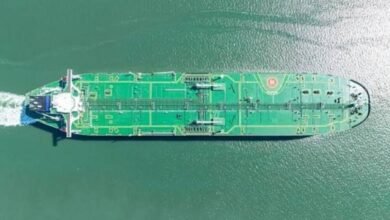
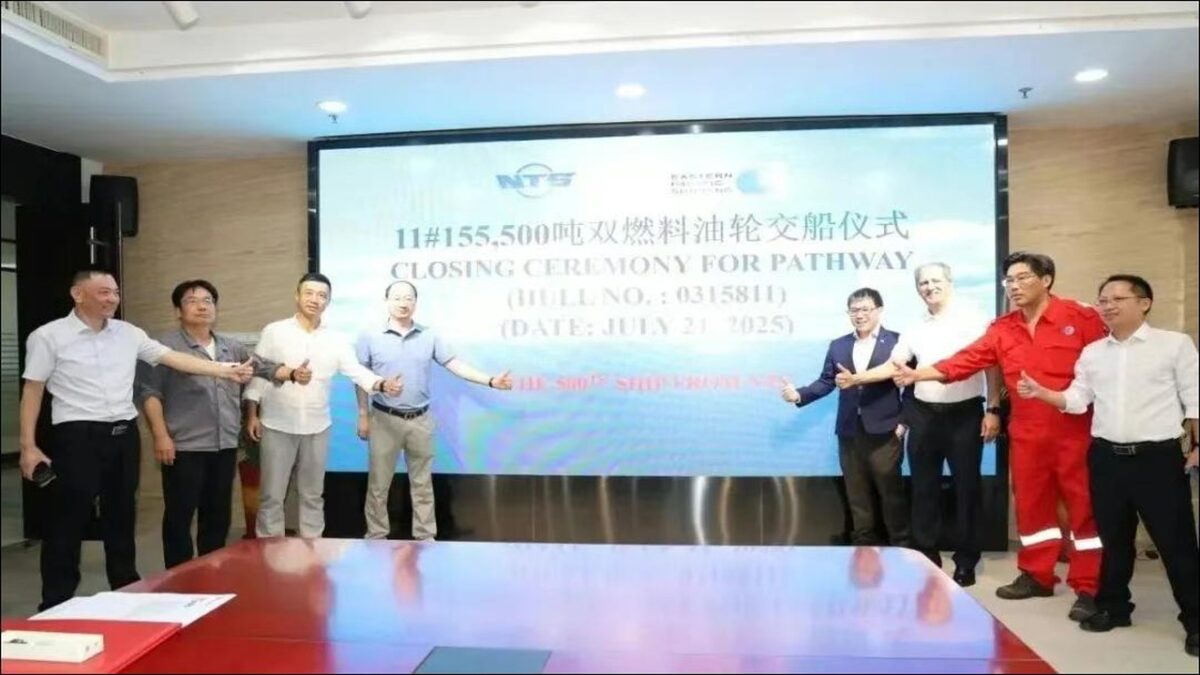
New Times Shipbuilding’s latest feat saw the delivery of these three high-specification LNG dual-fuel tankers between July 7 and July 10, demonstrating an unprecedented level of efficiency and technical expertise. The deliveries comprised one formidable 299,500 DWT VLCC and two versatile 155,500 DWT crude oil tankers. The first vessel, the 299,500 DWT LNG dual-fuel VLCC named Mount Vision, was meticulously delivered to Bruton Ltd on July 7, signifying a major asset addition to their fleet. Following closely, New Times Shipbuilding then handed over two 155,500 DWT LNG dual-fuel crude oil tankers to the renowned Singapore-based shipping giant, Eastern Pacific Shipping, on July 8 and July 10, respectively. These consecutive handovers, occurring within a single week, serve as a powerful testament to New Times Shipbuilding’s formidable capacity and advanced manufacturing processes in handling complex, large-scale projects.
The successful construction and delivery of such advanced vessels reaffirm New Times Shipbuilding’s position as a leading innovator in the global shipbuilding landscape. The shipyard emphasized in a press release that these back-to-back deliveries are a direct reflection of its exceptional capability in building large, technologically sophisticated LNG dual-fuel tankers. This achievement is not merely about meeting deadlines; it speaks volumes about the shipyard’s robust engineering, project management skills, and dedication to delivering vessels that not only meet but exceed the evolving demands of international maritime regulations and environmental standards. The ability to deliver three such complex ships so quickly indicates a highly optimized production line and a skilled workforce, ready to tackle the future needs of the global fleet.
The Rise of LNG Dual-Fuel Technology in Shipping
LNG dual-fuel ships represent a significant leap forward in marine propulsion technology, offering a viable pathway for the shipping sector to reduce its environmental footprint. The adoption of LNG as a marine fuel drastically cuts sulfur oxide (SOx) and particulate matter emissions by nearly 100%, nitrogen oxide (NOx) emissions by up to 85%, and carbon dioxide (CO2) emissions by 20-25% compared to conventional marine fuels. This makes LNG a crucial bridge fuel in the journey towards zero-emission shipping. The global maritime industry is under increasing pressure from regulatory bodies, most notably the International Maritime Organization (IMO), to achieve ambitious decarbonization targets, including a 50% reduction in greenhouse gas emissions by 2050 (compared to 2008 levels). Vessels equipped with LNG dual-fuel engines are well-positioned to comply with current and future environmental mandates, providing operators with operational flexibility and long-term viability.
The strategic investment in LNG dual-fuel technology by shipping companies like Bruton Ltd and Eastern Pacific Shipping reflects a growing industry consensus that sustainability is no longer an option but a necessity. Beyond environmental compliance, these vessels also offer compelling economic advantages. LNG, while requiring specialized bunkering infrastructure, can offer stable pricing compared to volatile conventional bunker fuels. Furthermore, the dual-fuel capability provides operational resilience, allowing vessels to switch between LNG and traditional fuels, ensuring uninterrupted voyages even in areas with limited LNG bunkering facilities. This flexibility, combined with the vessels’ enhanced environmental performance, makes them highly attractive assets in a competitive and increasingly green-focused market. The move by leading shipowners to embrace these advanced propulsion systems signals a clear direction for the future of commercial shipping.
New Times Shipbuilding’s Commitment to Green Maritime Solutions
New Times Shipbuilding has firmly established itself as a frontrunner in the construction of environmentally advanced vessels. The recent delivery of LNG dual-fuel tankers is a clear testament to their unwavering commitment to green maritime solutions and their proactive approach to shipbuilding innovation. The shipyard has invested heavily in research and development, as well as in upgrading its facilities, to accommodate the complexities associated with building ships equipped with alternative fuel systems. This includes specialized workshops for handling cryogenic fuel tanks and advanced automation systems for precise construction, ensuring the highest safety and quality standards for these state-of-the-art vessels. Their expertise in manufacturing large-capacity vessels, combined with their focus on sustainable technologies, positions them uniquely in the global market.
This commitment extends beyond just LNG. New Times Shipbuilding is actively exploring and integrating other future-proof technologies and designs that aim to further enhance vessel efficiency and reduce environmental impact. Their vision aligns with the broader industry goal of achieving a more sustainable and low-carbon future for shipping. By consistently delivering high-quality, technologically advanced eco-friendly vessels, they are not only meeting current market demands but also anticipating future needs, thereby playing a pivotal role in accelerating the global maritime industry’s transition towards a greener operational paradigm. This strategic foresight ensures that their contributions to the world fleet are both innovative and responsible.
Future Outlook: Enhancing Efficiency and Environmental Performance
The successful integration of LNG dual-fuel ships into global fleets, spearheaded by deliveries from shipyards like New Times, heralds a new era for maritime transport. These advanced vessels offer significant advantages in terms of operational efficiency and reduced environmental impact, which are critical in today’s increasingly regulated and environmentally conscious world. The use of LNG not only improves air quality in port cities but also contributes to global efforts to combat climate change. As bunkering infrastructure for LNG expands globally, the economic and environmental benefits of these vessels will only become more pronounced, driving further adoption across various shipping segments. This push towards cleaner fuels is not just about compliance; it’s about future-proofing maritime assets and ensuring long-term operational sustainability.
The long-term impact of these deliveries extends beyond the individual vessels. They set a precedent for future shipbuilding projects, encouraging other shipyards to invest in similar capabilities and prompting more shipowners to consider LNG dual-fuel technology and other alternative fuels for their newbuild and retrofit programs. The continuous innovation in engine technology and fuel containment systems will further enhance the efficiency and safety of these vessels. Moreover, the experience gained from constructing and operating these pioneering ships will be invaluable in the development of vessels powered by even more sustainable fuels, such as green methanol, ammonia, and hydrogen, as the industry progressively moves towards a zero-emission future. This initial step with LNG is a vital learning curve for the entire maritime ecosystem.
Partnering for a Greener Future: Clients and Collaboration
The decision by shipping companies like Bruton Ltd and Eastern Pacific Shipping to invest in LNG dual-fuel tankers from New Times Shipbuilding is a clear indicator of their proactive stance on environmental stewardship and strategic vision. These leading operators recognize the commercial imperative of reducing their carbon footprint, not only to comply with regulations but also to meet the growing demands from cargo owners and consumers for greener supply chains. By opting for advanced, lower-emission vessels, they are enhancing their brand reputation, securing long-term operational advantages, and contributing positively to the broader sustainability agenda of the global economy. Their commitment signals a robust market for such innovative vessels, encouraging further investment in green shipbuilding.
Such significant projects are a result of extensive collaboration between shipyards, shipowners, technology providers, and classification societies. The intricate process of designing, constructing, and certifying LNG dual-fuel ships requires seamless communication and shared expertise across the entire maritime value chain. The successful deliveries by New Times Shipbuilding are a testament to effective partnerships that drive innovation and progress. As the industry continues its journey towards decarbonization, these collaborations will become even more critical, fostering a collective effort to overcome technological challenges and establish robust infrastructure for future alternative marine fuels. This collaborative spirit is essential for steering the global shipping industry towards a truly sustainable and environmentally responsible future.