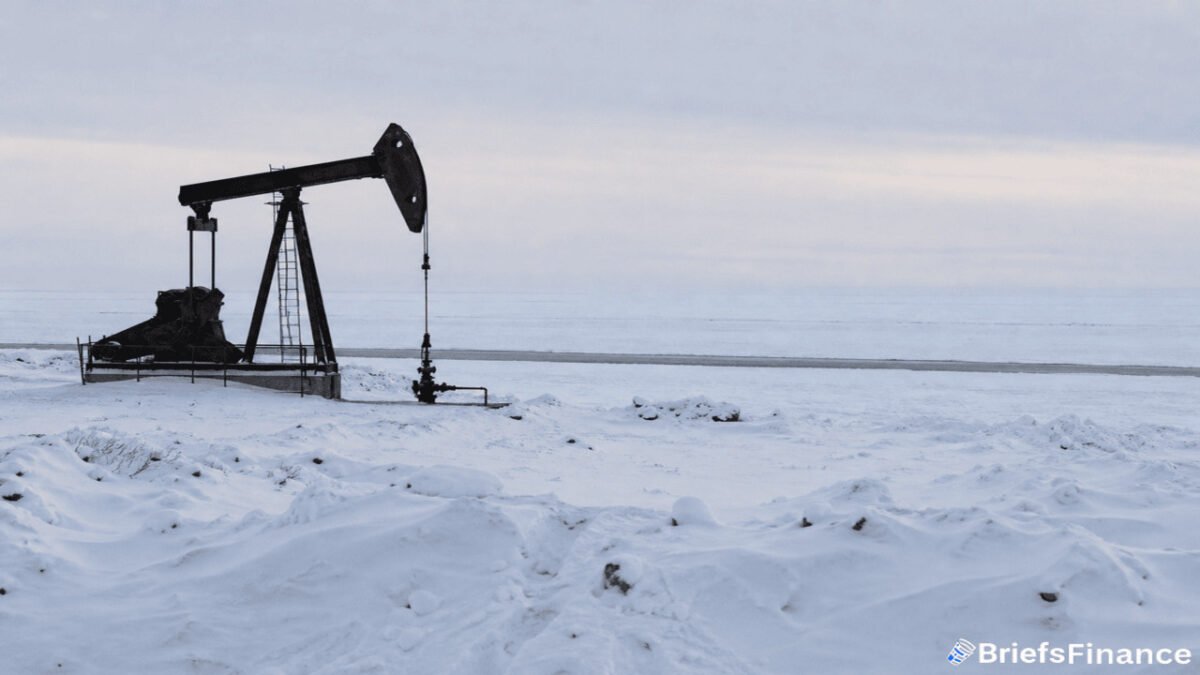
EU Softens Stance on Arctic Oil and Gas Drilling
The European Union has signaled a major policy pivot regarding Arctic resource exploitation, abandoning its formal pursuit of a multilateral ban on new oil and gas drilling in the region. The update, released October 20, marks a retreat from the 2021 Joint Communication on EU Arctic Policy, which had explicitly sought to prohibit further hydrocarbon development and restrict the purchase of Arctic-produced fuels.
While the revised strategy continues to advocate for keeping Arctic hydrocarbons in the ground, the removal of specific language regarding a legal obligation to halt development reflects the political weight of energy security concerns. The shift follows persistent lobbying from Norway and state-run operator Equinor, which have framed Arctic exploration as a cornerstone of long-term European energy supply stability.
For the maritime sector, the abandonment of this proposed prohibition removes a significant regulatory cloud over future offshore operations in northern latitudes. By softening its stance, the EU effectively de-risks the investment climate for operators currently eyeing Norwegian Arctic acreage.
This policy retreat suggests that European maritime logistics and offshore support sectors may see sustained, long-term demand for specialized cold-climate tonnage. As the EU prioritizes energy independence, the commercial friction previously associated with the environmental opposition to Arctic exploration appears to have been largely superseded by the immediate necessity of regional energy extraction.