Drone Attack on Egyptian Port Escalates Saudi Oil & Shipping Risks | Mariner News
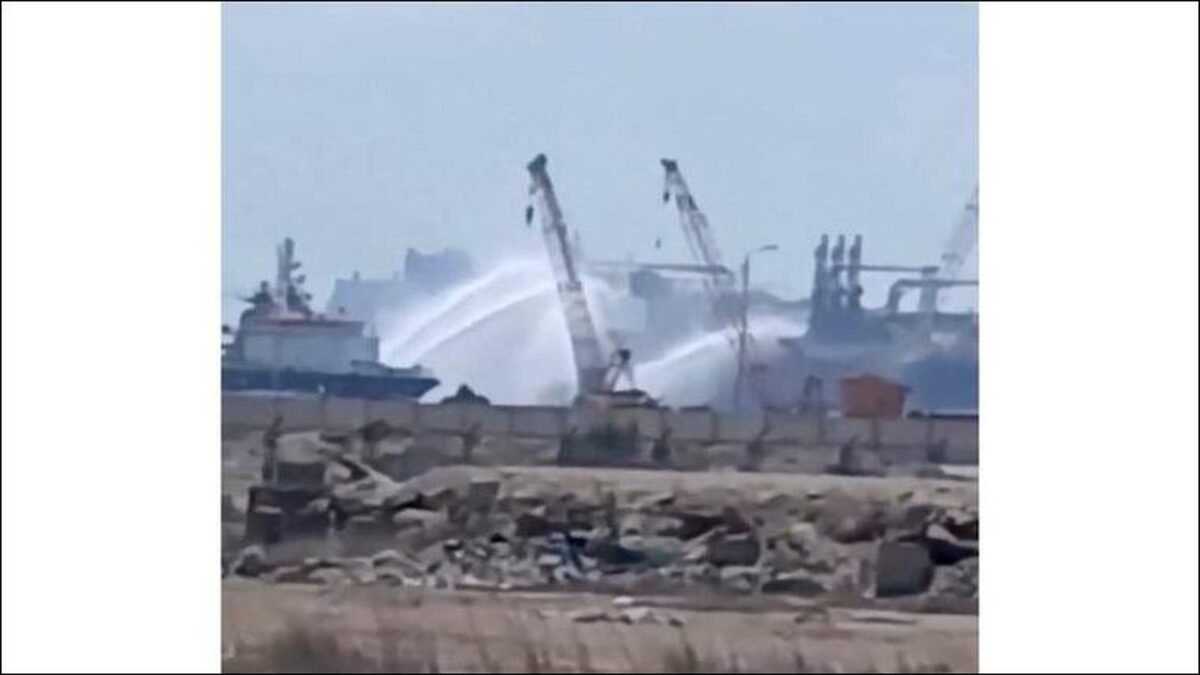
A recent drone attack on an Egyptian port has sent ripples of concern through global energy markets and the international shipping community, significantly raising the risk profile for Saudi oil exports and broader maritime traffic in the Red Sea. This incident underscores the escalating geopolitical tensions in the region, threatening vital shipping lanes and potentially disrupting global supply chains. The repercussions extend beyond immediate damage, fostering an environment of uncertainty that could impact insurance premiums, rerouting decisions, and the overall stability of oil supply and demand. As stakeholders evaluate the heightened threats, the need for robust maritime security measures and international cooperation becomes more urgent than ever to safeguard crucial trade routes and ensure energy security worldwide.
Geopolitical Backdrop: Escalating Tensions in the Red Sea
The Red Sea, a narrow stretch of water connecting the Indian Ocean to the Mediterranean via the Suez Canal, is one of the world’s most critical maritime choke points. This strategic waterway is indispensable for global trade, particularly for oil and gas shipments traversing between Asia and Europe. The recent drone attack on an Egyptian port highlights the volatile security landscape, exacerbated by ongoing conflicts and rivalries among regional powers. Militant groups, often backed by state actors, frequently operate in the area, employing various tactics including drone and missile attacks, as well as sea mines, to target shipping and infrastructure.
The Houthi movement in Yemen, for instance, has demonstrated a capability to strike targets far beyond its borders, including Saudi Arabian oil facilities and shipping in the Bab-el-Mandeb Strait, the southern entrance to the Red Sea. Such groups leverage advanced weaponry, including unmanned aerial vehicles (UAVs), to project power and exert pressure on adversaries. This proliferation of advanced military technology among non-state actors amplifies the complexity of maritime security, making it increasingly difficult for naval forces to guarantee the safety of commercial vessels. The attacks serve as stark reminders of the interconnectedness of regional conflicts and global economic stability, putting international shipping and critical energy flows at constant peril.
Direct Impact on Saudi Oil Exports and Global Energy Security
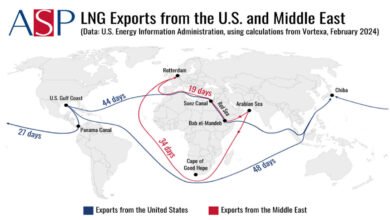
Saudi Arabia, as one of the world’s largest oil producers and exporters, heavily relies on secure maritime routes, particularly through the Red Sea and Suez Canal, to transport its crude oil to international markets. The drone attack on the nearby Egyptian port, though not directly targeting Saudi facilities or vessels, creates an immediate and palpable escalation of risk for Saudi oil exports. Any disruption to the Red Sea shipping lanes would force tankers to take much longer routes around the Cape of Good Hope, adding significant time and cost to deliveries. This diversion would tie up more vessels, increase freight rates, and delay shipments, ultimately impacting global oil supply.
The threat of further attacks could also deter tanker operators from traversing the Red Sea, leading to a shortage of available vessels for Saudi crude. This scarcity would inevitably push up charter rates and insurance premiums for vessels operating in the region, making Saudi oil exports less competitive and potentially shifting purchasing patterns towards other suppliers. Moreover, the uncertainty created by such incidents can trigger speculative buying in oil markets, causing price volatility and unsettling global energy security. For energy-importing nations, particularly in Europe and Asia, these risks translate into potential supply disruptions and higher energy costs, highlighting the vulnerability of the global energy architecture to regional instability.
Heightened Shipping and Maritime Security Challenges
The incident significantly amplifies the maritime security challenges faced by the entire shipping industry operating in the Red Sea and adjacent waters. Shipping companies are now forced to re-evaluate their risk assessments and operational protocols for transiting this critical corridor. The specter of drone attacks necessitates enhanced vigilance, potentially requiring increased onboard security personnel, advanced anti-drone systems, and closer coordination with naval escorts. Such measures, while crucial for vessel safety, invariably add to operational costs and transit times, placing additional burdens on already tight profit margins within the shipping sector.
Beyond direct physical threats, the psychological impact on seafarers and the operational difficulties imposed by increased security protocols are considerable. Crew morale can be affected by the constant threat of attack, potentially leading to recruitment and retention challenges. Furthermore, port calls in potentially vulnerable areas might become riskier, affecting port operations and the efficiency of cargo handling. The interplay between geopolitical tensions and the practicalities of commercial shipping creates a complex web of challenges that demand agile responses from shipowners, charterers, and maritime authorities alike, all striving to maintain the integrity of global maritime trade routes against evolving threats.
Economic Repercussions and Supply Chain Resilience
The economic fallout from escalated maritime insecurity in the Red Sea is multifaceted, extending far beyond the immediate shipping and oil sectors. Global supply chains, already strained by recent disruptions, face renewed pressure. Any impediment to the smooth flow of goods through this vital artery can lead to delays in manufacturing components, finished products, and raw materials, impacting industries ranging from automotive to consumer electronics. This could result in production slowdowns, increased inventory costs, and ultimately, higher prices for consumers, fueling inflationary pressures globally. Businesses relying on timely deliveries through the Suez Canal may need to explore alternative, albeit costlier and lengthier, routes, adding layers of complexity to logistics planning.
Furthermore, the perceived risk associated with operating in the region can deter foreign investment and tourism in littoral states, impacting their economic development. The ripple effect on insurance markets is also significant; war risk premiums for vessels transiting the Red Sea are likely to surge, increasing the operational cost for all types of vessels, including tankers, container ships, and bulk carriers. This collective increase in costs is ultimately passed down to consumers, making global trade more expensive. Building resilient supply chains that can withstand such shocks requires strategic planning, diversification of routes, and robust risk management frameworks to mitigate the broader economic repercussions.
Mitigation Strategies and Future Outlook for Maritime Stability
In response to the escalating threats, regional and international stakeholders are actively exploring and implementing various mitigation strategies. Enhanced intelligence sharing among naval forces and commercial shipping entities is paramount to anticipating and neutralizing potential drone attacks and other maritime security incidents. The presence of multinational naval coalitions, such as the Combined Maritime Forces, plays a crucial role in patrolling high-risk areas and deterring hostile actors. Additionally, investing in advanced surveillance technologies, anti-drone systems, and hardened vessel defenses becomes increasingly critical for protecting shipping assets. For Saudi oil exports, diversifying export routes where feasible, although challenging, could be a long-term strategic consideration.
Looking ahead, the outlook for maritime stability in the Red Sea remains intrinsically linked to broader geopolitical developments in the Middle East. A sustained diplomatic effort, coupled with de-escalation initiatives among regional powers, is essential to reduce the underlying tensions that fuel such attacks. Without a concerted and collaborative approach involving both military deterrence and political solutions, the risks to global shipping and critical energy flows will persist. The international community must remain vigilant, adaptable, and committed to safeguarding the freedom of navigation through these vital waterways, ensuring the unimpeded flow of global trade and energy resources.
Conclusion: Navigating a Perilous Maritime Future
The drone attack on an Egyptian port serves as a stark reminder of the fragile security environment in the Red Sea, posing significant and evolving risks to Saudi oil exports and global shipping. The incident underscores the urgent need for heightened maritime security protocols, increased international cooperation, and strategic responses to mitigate geopolitical tensions. As the region navigates a perilous future, the resilience of global energy markets and supply chains will be tested. Protecting this vital maritime corridor is not merely a regional concern but a global imperative, demanding a collective commitment to stability and security to ensure the continued free flow of trade and energy that underpins the world economy.