Dali Chief Engineer Agrees to Terms After Bridge Collision | Mariner News
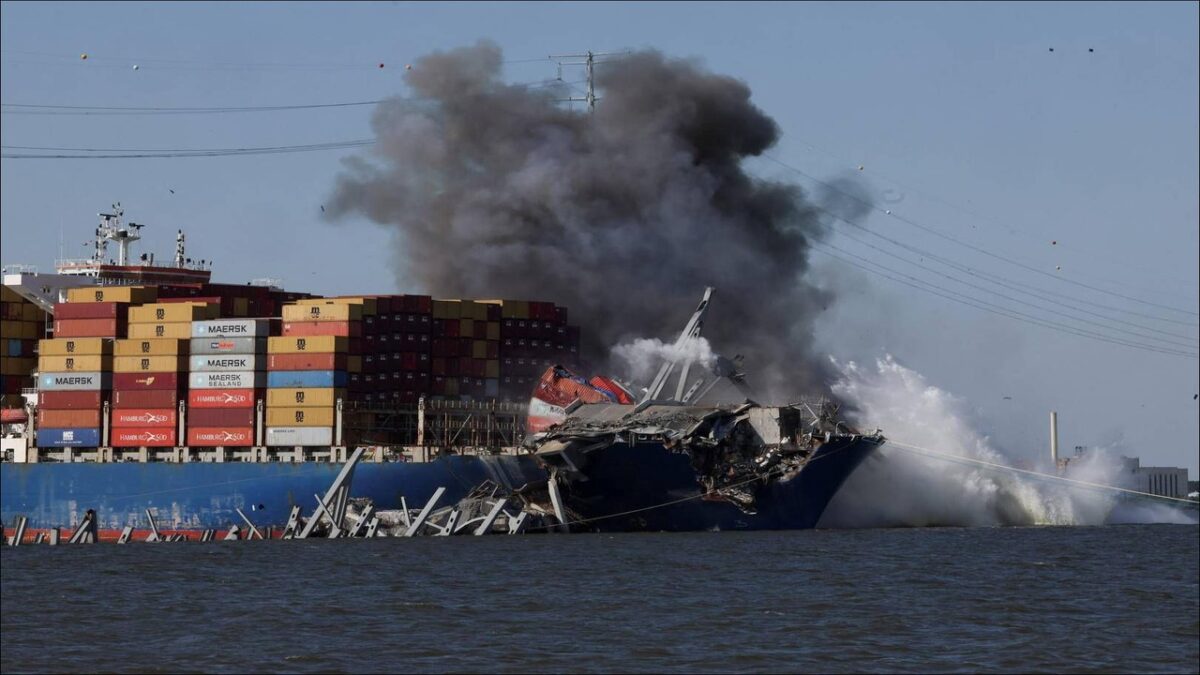
In a significant development stemming from the catastrophic March 2024 Francis Scott Key Bridge collision, the chief engineer of the container ship Dali has formally reached an agreement with US authorities. This pivotal resolution addresses the engineer’s failure to report a critical faulty fuel pump, a mechanical issue now confirmed to have played a role in the maritime incident. The agreement stipulates a three-year probationary period, a crucial condition under which the chief engineer will avoid further legal action, underscoring the severe consequences of oversight in maritime operations. This decision, reported by Reuters and involving the US Department of Justice, highlights the increasing scrutiny on crew accountability and ship maintenance within the shipping industry, particularly in the wake of high-profile accidents that impact vital infrastructure and global supply chains.
The repercussions of the Dali incident have rippled far beyond the immediate damage to the bridge, sparking renewed conversations about vessel safety, regulatory compliance, and the intricate balance between human responsibility and technical diligence. For the maritime sector, this agreement serves as a stark reminder of the profound importance of accurate and timely reporting of mechanical failures. The focus on the faulty fuel pump underscores how seemingly minor technical issues can escalate into events with monumental economic and logistical implications, demanding robust safety protocols and comprehensive training for all crew members. As the industry grapples with the aftermath, this case sets a precedent for how individual accountability is addressed in complex maritime investigations.
The Dali Incident: A Timeline of Events and Impact
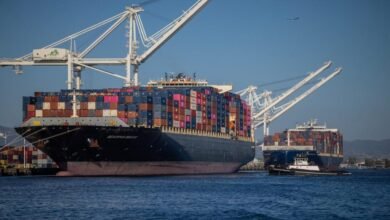
The catastrophic collision of the container ship Dali with the Francis Scott Key Bridge in March 2024 sent shockwaves through the global shipping community and the US infrastructure sector. Initial reports quickly confirmed the vessel, a massive container carrier, had lost power moments before impact, leading to the collapse of a significant portion of the vital Baltimore bridge. This incident immediately halted all shipping traffic into and out of one of the busiest ports on the East Coast, causing unprecedented disruption to port operations and supply chains.
The ensuing investigation by maritime safety authorities and federal agencies aimed to uncover the precise sequence of events that led to this disaster. The sheer scale of the accident quickly became apparent, not only in terms of physical damage to the bridge itself but also the staggering economic loss estimated to be in the billions of dollars. The port of Baltimore, a crucial hub for vehicle imports and coal exports, faced an immediate and prolonged shutdown, impacting countless businesses and workers reliant on its continuous operation.
From the outset, questions arose regarding the vessel’s operational readiness and the performance of its crew. Early findings pointed towards a power failure, leading investigators to scrutinize the ship’s engine room systems, power generation, and emergency procedures. The container ship’s journey, which began smoothly, ended in a national crisis, turning the spotlight onto every aspect of vessel management and crew preparedness. The incident served as a potent illustration of the fragility of critical infrastructure when confronted with unforeseen maritime failures.
Chief Engineer’s Accountability and the Faulty Fuel Pump
At the heart of the Dali investigation, the role of the chief engineer emerged as critically important. The chief engineer holds ultimate responsibility for the safe and efficient operation of a vessel’s engines and machinery, including the critical fuel pump systems. Their duties encompass overseeing maintenance schedules, performing regular inspections, and ensuring that all mechanical components function within specified parameters. The failure to report a faulty fuel pump, therefore, represents a significant lapse in a core duty that directly impacts a ship’s propulsion and power generation capabilities.
Investigators determined that the faulty fuel pump was a contributing factor to the power loss experienced by the Dali shortly before the collision. This piece of equipment is fundamental to ensuring a stable fuel supply to the ship’s engines. A malfunction can lead to erratic engine performance or, as in this case, a complete loss of power, leaving the vessel adrift and uncontrollable. The implications of such a failure are magnified when a ship is navigating confined waterways or approaching critical infrastructure like a bridge.
This specific instance highlights the indispensable nature of rigorous equipment maintenance and the paramount importance of transparency in reporting any mechanical anomalies. Maritime safety protocols are designed to prevent such occurrences, and a crew member’s diligence in adhering to these standards is non-negotiable. The chief engineer’s agreement with US authorities underscores the serious personal legal ramifications that can arise from a failure to comply with these vital reporting requirements, emphasizing that individual crew members are held accountable for their actions and omissions in critical operational roles.
Agreement with US Authorities: Probation and Compliance
Following extensive negotiations, the chief engineer of the container ship Dali reached a formal agreement with the US Department of Justice. This agreement effectively resolves the immediate legal actions against the engineer, contingent upon strict adherence to a three-year probationary period. This resolution is a common approach in legal systems, offering a pathway for individuals to avoid more severe penalties, such as imprisonment, provided they meet specified conditions and demonstrate ongoing compliance with legal and professional standards.
Under the terms of the agreement, the probationary period likely involves regular check-ins with authorities, adherence to specific professional conduct guidelines, and potentially additional training or certifications related to maritime safety and reporting protocols. The core objective is to ensure that the individual fully understands and commits to their responsibilities within the maritime industry, emphasizing prevention over punitive measures where possible. This approach seeks to foster a culture of heightened responsibility rather than merely punishing past mistakes.
For the chief engineer, complying with these terms means demonstrating a clear commitment to maritime safety and regulatory compliance. It serves as a strong deterrent against future negligence and underscores the serious consequences associated with overlooking critical operational issues, such as a faulty fuel pump. The agreement reflects a balance between holding individuals accountable for their professional conduct and encouraging a path toward rehabilitation and recommitment to industry best practices. This legal resolution is pivotal not just for the individual but also in setting expectations across the wider maritime community regarding accountability and diligence.
Broader Implications for Maritime Safety and Industry Standards
The Dali bridge collision and the subsequent agreement with its chief engineer carry profound implications for global maritime safety and the refinement of industry standards. This incident has unequivocally underscored the necessity for more stringent regulatory compliance and enhanced oversight across the entire shipping industry. Regulators and international bodies are now more likely to review existing safety protocols, particularly those pertaining to vessel maintenance, equipment reporting, and emergency procedures for large container ships navigating critical waterways.
Transparency in reporting mechanical failures and technical issues is a key takeaway. The case highlights that even seemingly minor component malfunctions, like a faulty fuel pump, can precipitate catastrophic events. This will undoubtedly lead to a stronger emphasis on encouraging crew members to report all anomalies without fear of reprisal, fostering a culture where safety takes precedence over expediency. It calls for robust internal reporting mechanisms and a supportive environment for crew members to raise concerns about vessel integrity.
Furthermore, the incident is expected to influence crew training and competence development significantly. There will be increased attention on simulated emergency response scenarios, particularly involving power loss and propulsion failures, ensuring that crew members are adequately prepared to handle such critical situations under pressure. The integration of advanced technological solutions for predictive maintenance and real-time vessel monitoring may also accelerate, offering new tools to prevent similar incidents and enhance overall marine safety across the shipping fleet.
Future Outlook for Baltimore Port and Global Supply Chains
The Francis Scott Key Bridge collision delivered a severe blow to Baltimore Port, a critical artery for East Coast commerce. While immediate efforts focused on clearing debris and restoring shipping channels, the long-term outlook involves significant infrastructure reconstruction and strategic planning to ensure the port’s resilience. The incident has spurred discussions about upgrading port infrastructure, including potentially incorporating enhanced protective measures for bridge foundations and improving navigational aids to prevent future collisions. The timeline for full recovery and reconstruction will be extensive, but the commitment to restoring the port’s capabilities remains unwavering, recognizing its vital role in the regional and national economy.
Beyond Baltimore, the incident had a noticeable, albeit temporary, impact on global supply chains, particularly for specific commodities and industries reliant on the port. Auto manufacturers, for instance, experienced re-routing challenges, demonstrating the delicate balance of the international logistics network. The disruption served as a potent reminder of the need for diversified shipping routes and resilient supply chain strategies to mitigate risks associated with single points of failure. Companies are now more acutely aware of the importance of stress-testing their logistics plans against unforeseen events.
Lessons learned from the Dali incident extend to broader considerations for critical infrastructure protection worldwide. Governments and port authorities globally are likely to review the vulnerability of their own bridges and waterways to similar maritime accidents. This includes reassessing the design standards of new structures, implementing stricter vessel traffic management systems in sensitive areas, and investing in advanced surveillance technologies. The hope is that the profound challenges faced by Baltimore will ultimately lead to a more robust, safer, and resilient global maritime transport system, capable of withstanding the complexities of modern shipping operations.
In conclusion, the agreement reached with the Dali’s chief engineer following the bridge collision marks a critical juncture in the ongoing saga. It underscores the profound individual accountability within the maritime industry and emphasizes the non-negotiable requirement for rigorous adherence to safety protocols and transparent reporting of mechanical issues like a faulty fuel pump. As Baltimore Port embarks on its path to recovery and the shipping industry adapts to enhanced scrutiny, this incident will undoubtedly shape future maritime safety standards, fostering a stronger culture of diligence and compliance across the globe. The lessons learned from this unfortunate event are invaluable, guiding efforts to prevent similar tragedies and secure the future of global maritime commerce.