CPC Oil Loadings Suspended After Drone Tanker Attacks | Mariner News
The global energy market recently experienced a significant tremor as Caspian Pipeline Consortium oil loadings were abruptly suspended following drone attacks on oil tankers off Russia’s Black Sea coast. Confirmed by the CPC, this critical incident highlights escalating risks to maritime commerce and vital energy infrastructure in volatile geopolitical zones. Two tankers, ASIA and NISSOS IOS, were targeted during loading operations, immediately halting crucial Kazakh crude oil flow. While no injuries, fatalities, or oil spills occurred, the suspension for damage assessment underscores the precarious balance of energy security and threats to global supply chains.
Drone Strikes Halt Black Sea Oil Loadings
On a tense Sunday, the Caspian Pipeline Consortium (CPC) announced the suspension of oil loading operations after two tankers came under drone attack near Russia’s Black Sea coast. This brazen assault targeted the ASIA and NISSOS IOS tankers while they were in the process of loading crude oil. Initial reports from the CPC indicated the ASIA tanker briefly caught fire following the attack, a blaze that was swiftly extinguished without catastrophic consequences. Crucially, CPC confirmed no injuries or fatalities among its staff or contractors, nor any oil spill into the environmentally sensitive Black Sea, alleviating immediate safety and ecological concerns.
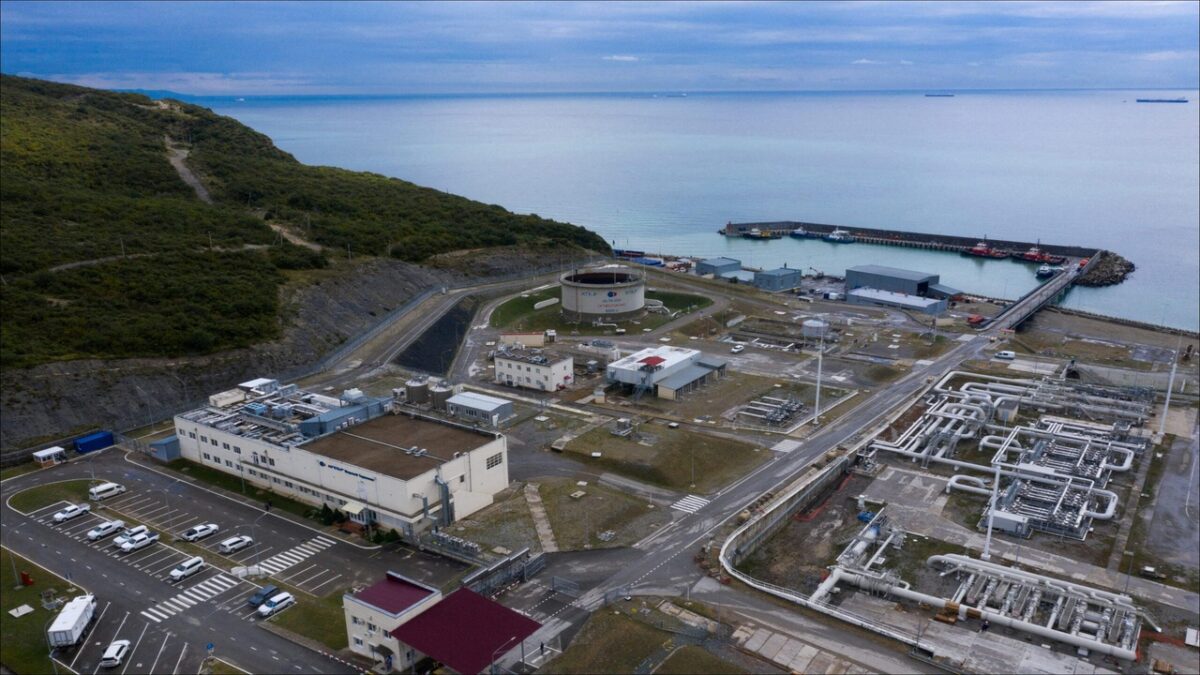
Despite the severity of the attacks, both tankers remained afloat. Kazakhstan’s energy ministry quickly confirmed that the critical Single Point Mooring (SPM) facilities – SPM-1 and SPM-3, vital for offshore tanker loading – had not sustained direct damage. Nevertheless, crude oil loading operations at the terminal were immediately suspended. This precautionary measure is essential to conduct a comprehensive assessment of the incident’s full consequences, ensuring the safety of future operations and preventing any potential latent damage. This reflects a strong commitment to operational integrity amidst rising Black Sea shipping security challenges.
CPC’s Pivotal Role in Global Oil Supply
The Caspian Pipeline Consortium (CPC) is a vital artery for global energy markets, primarily facilitating crude oil exports from Kazakhstan and, to a lesser extent, Russia. This extensive pipeline system transports approximately 1.4 million barrels of oil per day (bpd) from Kazakhstan’s Tengiz oilfield to the Marine Terminal near Novorossiysk on Russia’s Black Sea coast. This substantial volume represents a significant portion of Kazakhstan’s total oil production, positioning the CPC as a cornerstone of the nation’s economic stability and a crucial contributor to international oil supply. The suspension of CPC oil loadings thus has far-reaching implications, affecting not only immediate supply but also global perceptions of energy security and the reliability of key oil export routes.
The consistent flow of high-quality light crude through the CPC system is particularly important for refiners in Europe and Asia, who rely on a diversified portfolio of crude oil sources. Any disruption to this flow forces them to seek alternatives, potentially driving up costs and increasing competition for other grades of crude. This incident underscores the fragility of single-point vulnerabilities in complex energy infrastructure. While some alternative routes for Kazakh oil exist, none possess the capacity or efficiency of the CPC system to move such large volumes. The consortium, a multinational entity involving major oil companies and governments, highlights the international stakes involved in ensuring its continuous operation and security. For Kazakhstan, a landlocked nation heavily dependent on oil exports, reliable access to seaborne trade via the CPC is paramount for its prosperity.
Market Repercussions and Energy Security Concerns
The suspension of Caspian Pipeline Consortium oil loadings following drone attacks immediately sparked concerns across global oil markets. While the immediate impact on crude oil prices might be contained if the disruption is brief, the incident undeniably adds a significant geopolitical risk premium to an already volatile market. Traders and analysts are closely monitoring the situation, weighing the potential for prolonged supply disruptions against existing market fundamentals. The loss of even a few days of CPC exports, totaling millions of barrels, can tighten global supply, especially amidst other regional production challenges. This event serves as a stark reminder of how vulnerable the intricate global oil supply chain is to regional conflicts and targeted attacks on vital infrastructure.
Beyond immediate price fluctuations, the incident raises profound questions about long-term energy security. Nations reliant on imported oil constantly strive to diversify sources and routes, but events like these demonstrate that even established, seemingly secure routes can become targets. The Black Sea, already a theatre of conflict, is becoming increasingly perilous for commercial shipping, impacting insurance premiums, rerouting decisions, and overall maritime risk management. Companies involved in oil transportation, particularly those operating tanker fleets in contested waters, are likely to reassess operational protocols and security measures. This could lead to higher shipping costs, longer transit times, and ultimately, increased costs for consumers, creating ripple effects across the global economy. The incident reinforces the need for robust international cooperation to safeguard crucial trade routes and protect the integrity of the global energy markets.
Escalating Maritime Threats in Contested Waters
The drone attacks on oil tankers near the Caspian Pipeline Consortium terminal are not isolated incidents but highlight the rapidly deteriorating maritime security environment in the Black and Azov Seas. In recent weeks, there has been a sharp escalation in attacks, with both Russia and Ukraine employing various means, including drones, to target shipping in these strategically critical waterways. This tit-for-tat targeting poses an existential threat to commercial vessels and their crews, transforming once-routine shipping routes into high-risk zones. The principle of freedom of navigation, a cornerstone of international maritime law, is increasingly challenged, making it difficult for commercial enterprises to operate without substantial fear of attack or collateral damage.
Commercial tankers, indispensable for transporting vital commodities like oil, grain, and manufactured goods, are now operating under unprecedented levels of threat. Insurance costs for vessels transiting these areas have skyrocketed, with many insurers either refusing coverage or imposing prohibitive premiums. This directly impacts the economic viability of shipping operations and can lead to significant supply chain disruptions. The attacks highlight a critical vulnerability: how to effectively protect civilian tanker operations in areas of active military engagement. This complex challenge demands a multifaceted approach, combining enhanced intelligence sharing, improved defensive capabilities for commercial vessels, and robust diplomatic efforts to de-escalate tensions and establish safe corridors. Without such measures, the risk of more severe incidents, including significant environmental disasters and loss of life, remains alarmingly high.
Kazakhstan’s Response and Diplomatic Implications
Kazakhstan, as the primary beneficiary and key supplier of crude oil through the Caspian Pipeline Consortium, reacted swiftly and decisively to the drone attacks. The country’s foreign ministry issued a strong condemnation of the recent attacks on tankers engaged in the transportation of oil through the CPC infrastructure, emphasizing the republic’s deep concern over the escalating tensions. Kazakhstan’s statement underscored its unwavering commitment to stable and secure oil transportation, recognizing the vital role the CPC plays in its national economy. This condemnation highlights a clear desire to protect its critical export lifelines from external aggression and to maintain the predictability of crude oil exports to international markets. The incident places Kazakhstan in a difficult diplomatic position, caught between its economic necessity for secure routes and the geopolitical realities of the region. The international community also watches developments closely, with various stakeholders expressing concerns about the impact on global energy prices and the safety of maritime trade. While CPC did not identify any party responsible, the broader regional conflict context leaves little doubt about the origins of such attacks. The focus remains on de-escalation and ensuring the unimpeded flow of essential commodities.
Resuming Operations and Future Security Measures
Following the suspension of Caspian Pipeline Consortium oil loadings, the immediate priority for CPC and Kazakhstan’s energy ministry is a thorough and expedited assessment of the incident’s consequences. This comprehensive evaluation is crucial to determine the full extent of any direct or indirect damage to the terminal’s facilities and to establish a precise timeline for the resumption of crude oil loading operations. While initial reports indicated no damage to the critical SPM facilities, a detailed inspection will confirm operational readiness and address any latent concerns. The speed of this recovery is paramount, as every day of suspended operations translates into significant economic losses for producers and potential supply shortages for global markets.
Looking ahead, the drone attacks on Black Sea tankers are likely to catalyze a significant re-evaluation of security protocols and risk mitigation strategies for all operators in the region. The incident highlights the evolving nature of threats to pipeline security and maritime assets, demanding more sophisticated and proactive defense mechanisms. This could include enhanced surveillance, improved anti-drone technologies, and potentially, increased naval escorts or protective measures for commercial vessels in high-risk zones. The long-term outlook for CPC’s operations will depend not only on the physical repair and re-commissioning of its loading capabilities but also on the broader security situation in the Black Sea. Ensuring the sustained reliability of oil transportation infrastructure in such a volatile geopolitical environment will require continuous vigilance, adaptability, and potentially, innovative approaches to securing critical energy routes.
Conclusion
The recent drone attacks that led to the suspension of Caspian Pipeline Consortium oil loadings represent a grave escalation in the threats facing global energy supply and maritime commerce. While the immediate crisis of fires and spills was averted, the incident spotlights the inherent vulnerabilities of vital oil export infrastructure and tanker operations in regions marred by conflict. The ripple effects will be felt across global energy markets, potentially influencing oil prices, insurance costs for shipping, and overall supply chain stability. For Kazakhstan, the reliable flow of its crude oil through the CPC is indispensable, making the swift and secure resumption of operations a top national priority. This event serves as a critical wake-up call, emphasizing the urgent need for enhanced maritime security strategies, international cooperation, and diplomatic efforts to de-escalate tensions and protect the indispensable arteries of global trade from further disruption.