ClassNK Issues Onboard Carbon Capture Implementation Framework
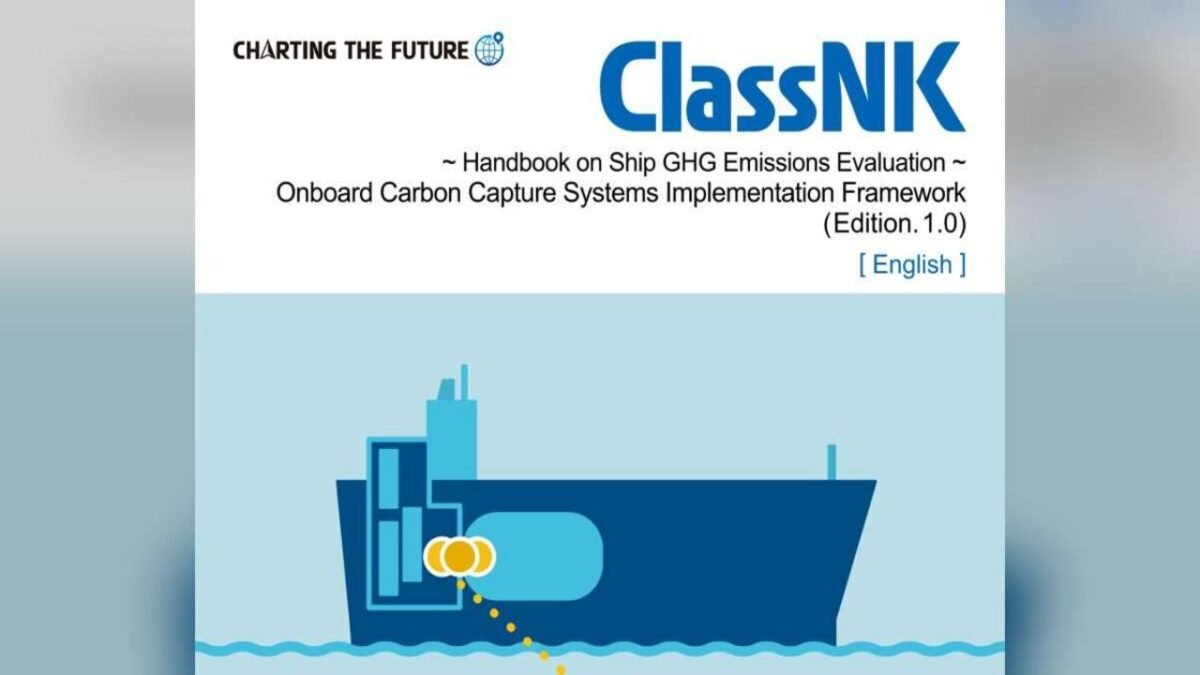
ClassNK has released the Onboard Carbon Capture Systems Implementation Framework, a technical handbook designed to move shipboard carbon capture from experimental demonstration to commercial viability. The guide aims to harmonize the evaluation of onboard carbon capture systems (OCCS) by providing a structured approach for owners and operators to navigate the technical and regulatory hurdles of capturing and storing CO2 at sea.
Defining the Value Chain
Beyond basic engineering constraints, the handbook addresses the critical infrastructure gap between capture and disposal. It mandates a comprehensive view of the OCCS value chain, emphasizing that the viability of the technology hinges on the ability to monitor, report, and verify (MRV) emissions reductions in tandem with strict chain of custody (CoC) protocols for the captured carbon. By formalizing the management of attribute information associated with captured CO2, ClassNK is moving to bridge the gap between technical emissions reduction and commercial regulatory compliance.
Commercial and Operational Implications
For shipowners, the handbook underscores that OCCS is not merely a hardware installation but a commitment to a logistics-heavy emissions strategy. The emphasis on CoC and MRV protocols signals a potential shift in how future chartering agreements may value carbon-capture-equipped vessels. As the industry faces mounting pressure to demonstrate quantifiable decarbonization, the ability to provide verified data on captured CO2—effectively treated as an asset within a supply chain—could become a key differentiator for tonnage.
By integrating technical design requirements with the downstream infrastructure needs for CO2 treatment, the framework forces a shift in planning. Stakeholders must now consider the full lifecycle of the captured product, including final treatment facilities, which remain a significant logistical variable in the maritime decarbonization landscape.