Sidra Line pivots West Africa service to North African hubs

Sidra Line adds three North African ports to its West Africa service while dropping Adana, consolidating regional trade on a single 750 TEU ship.
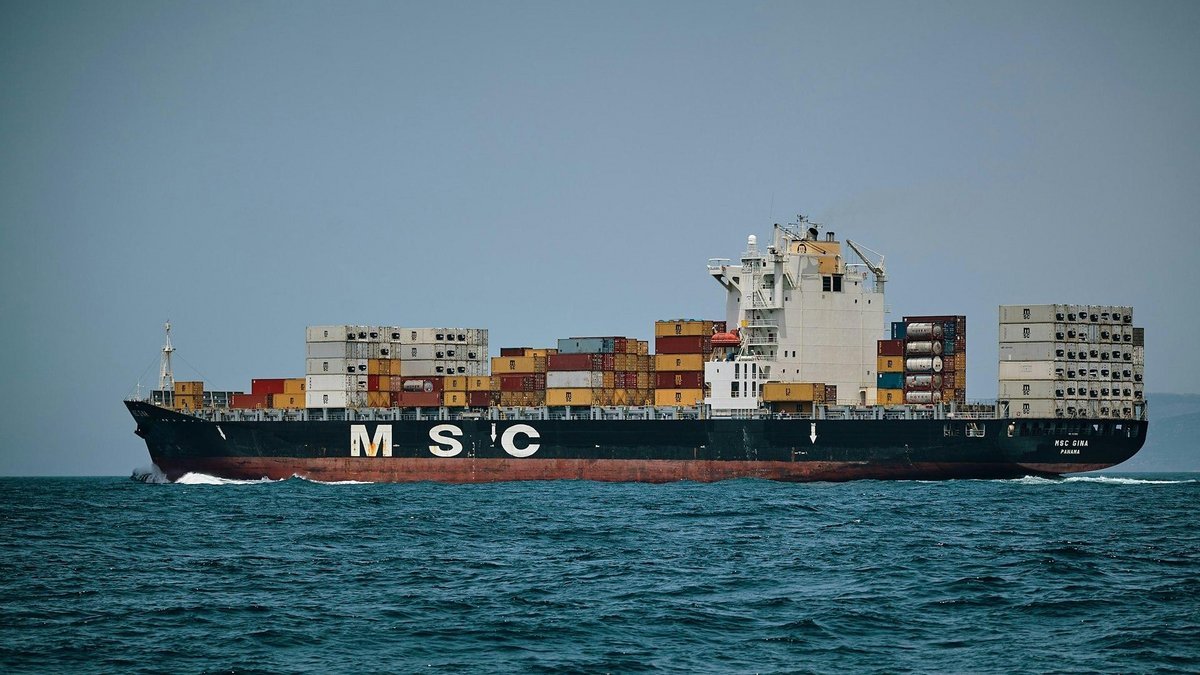
Sidra Line is overhauling its Mediterranean–West Africa service to prioritize North African port calls, swapping its Turkish connection for a string of hubs in Libya, Tunisia, and Morocco.
The carrier will add Misurata, Rades, and Casablanca to the rotation while removing the Turkish port of Adana, according to data from DynaLiners. The revised service continues to link the Mediterranean market with Conakry in Guinea.
Operations will rely on a single 750 TEU container ship. The new rotation follows a loop from Alexandria to Misurata, Rades, Casablanca, and Conakry before returning to Alexandria.
Why it matters
Sidra Line is narrowing its focus to a niche regional play. By dropping Adana, the carrier is moving away from the Turkish export market on this specific string to consolidate North African cargo flows heading toward West Africa. This suggests the carrier sees more reliable demand or better margins in connecting the Maghreb and Libya directly to Guinea.
The use of a single 750 TEU vessel indicates this is a low-volume, high-specialization service. For shippers in Misurata and Rades, the realignment provides a direct, small-scale alternative to the larger transshipment hubs, potentially offering more tailored service for regional traders.
However, the reliance on one ship for a six-port rotation spanning the Mediterranean and the West African coast creates a fragile schedule. With no sister vessels to pick up the slack, any congestion in North African ports or delays at Conakry will immediately knock the entire loop out of sequence. Charterers and cargo owners must weigh the benefit of these new direct calls against the inherent lack of redundancy in a single-vessel string.
What to watch
The primary risk is schedule integrity at Conakry and the North African terminals. Any sustained port delays will likely force Sidra Line to either add a second vessel to maintain weekly or bi-weekly frequency or face a significant blowout in transit times for Alexandria-based exporters.