Valenciaport leans on vehicle surge as container exports stagnate

Valenciaport vehicle traffic jumped 27% in October, offsetting a 2% drop in total tonnage and stagnant container exports.
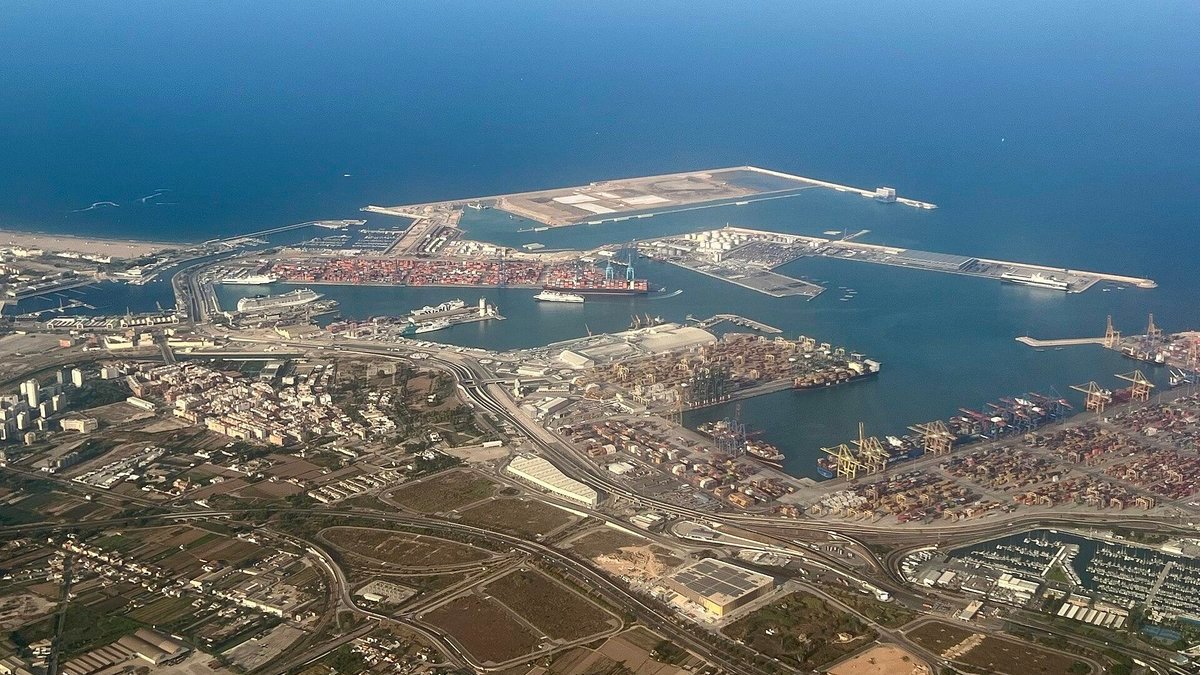
Valenciaport is leaning on a surge in vehicle traffic and import volumes to mask a broader stagnation in containerized exports and a decline in total tonnage. While rolling twelve-month container traffic stayed flat at 5,628,895 TEUs, a 27% spike in October vehicle handlings and double-digit import growth are reshaping the cargo mix at the Spanish hub.
Container traffic managed by the Port Authority of València rose by a marginal 0.15% on a rolling twelve-month basis. However, total cargo traffic across the ports of València, Sagunto and Gandia fell 2.08% between January and October, totaling 65,931,152 tonnes. Vessel calls remained almost perfectly static at 7,309 for the year, compared to 7,310 in the previous period.
The automotive sector provided the strongest growth, with vehicle traffic rising 9% year-on-year. In October alone, the terminals at Sagunto and València handled 61,793 vehicles, representing a 27% monthly jump. Rail logistics also saw a sharp increase, with rail-bound container traffic reaching 258,910 TEUs, up 20.26% on 2025 levels.
Import activity continues to outpace outbound trade. Full import containers grew 10.79% since January to 959,880 TEUs. In contrast, full exports reached 760,096 TEUs, representing a marginal decline of 0.04%.
Why it matters
The divergence between booming imports and flat exports creates a growing imbalance for container carriers. With full imports up nearly 11% and exports essentially stalled, lines face the increasing cost of managing empty equipment or waiting for outbound loads that are not materializing. This trend suggests Valenciaport is currently functioning more as a gateway for domestic consumption than as a launchpad for Spanish industrial exports.
The 27% surge in October vehicle traffic points to a shift in the port’s strategic value. As total tonnage across the three ports drops by 2%, the automotive terminals at Sagunto and València are becoming the primary engines of growth. For car carrier operators, these figures confirm the region’s increasing importance as a Mediterranean distribution hub, even as the broader container market softens.
The 20% jump in rail traffic is the one bright spot for container logistics. By moving 258,910 TEUs via rail, the port is tightening its grip on inland supply chains. This efficiency likely prevented a deeper slide in container figures, as the port authority successfully converted more of its steady volume into rail-linked cargo.
What to watch
The performance of the automotive and construction sectors will determine if the port can reverse its 2% tonnage decline. These sectors grew by 10.12% and 4.54% respectively through October, making them the most likely drivers of any recovery in total cargo weight during the final quarter.