Claus-Peter Offen orders four 7,000 TEU boxships for Hapag-Lloyd

Claus-Peter Offen orders four 7,000 TEU ships for Hapag-Lloyd, locking in conventional mid-sized capacity through 2037.
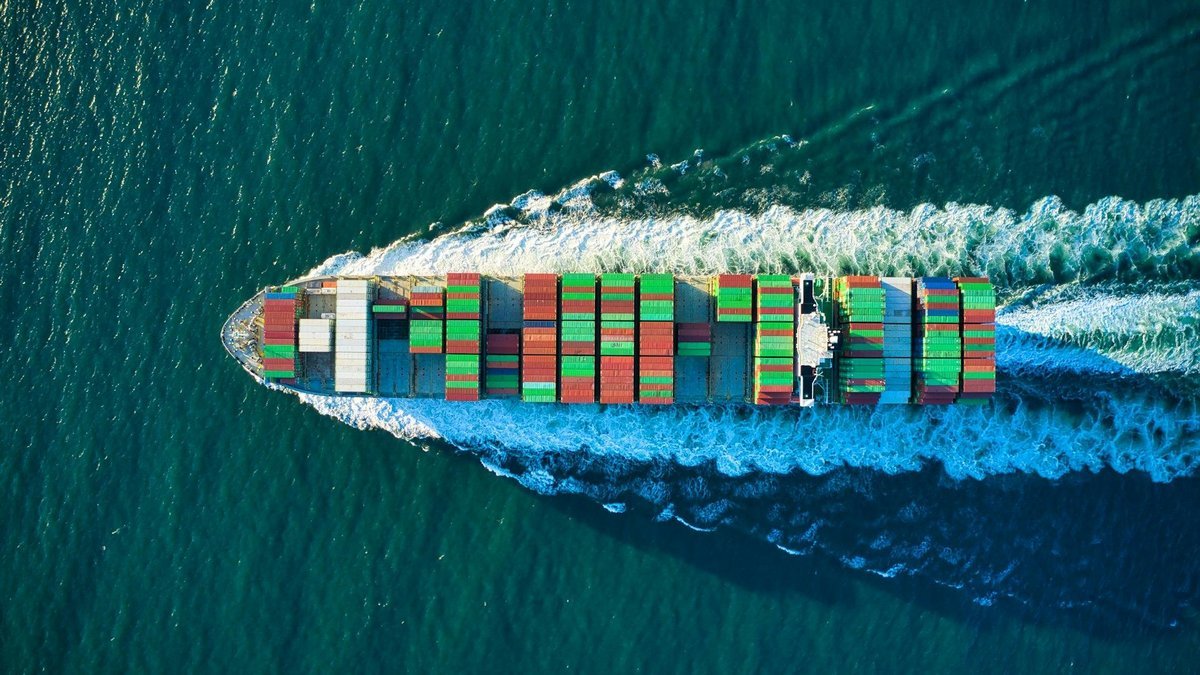
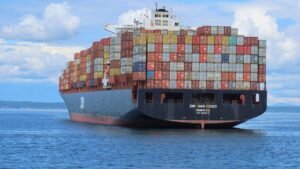
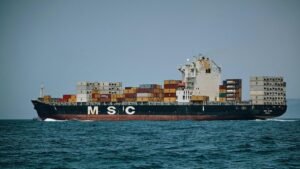
German owner Claus-Peter Offen has ordered four 7,000 TEU container ships for delivery in 2030, locking in mid-sized capacity for Hapag-Lloyd through the late 2030s.
German non-operating owner Claus-Peter Offen placed the order with China’s Guangzhou Shipyard International (GSI), according to DynaLiners. The conventionally powered vessels have already secured seven-year charter agreements with German carrier Hapag-Lloyd. While contract values remain undisclosed, the ships are expected to enter service in 2030.
Why it matters
Hapag-Lloyd is making a long-term bet on the 7,000 TEU segment. By signing seven-year charters for ships that will not arrive for another six years, the carrier is securing its network requirements until at least 2037. This move suggests a strategic need to guarantee slot capacity in a vessel class that fits various trade lanes more flexibly than ultra-large vessels.
The choice of conventional power for a 2030 delivery is a notable choice. It indicates that for certain regional or mid-sized routes, the capital expenditure of alternative fuel systems may not yet outweigh the reliability of traditional engines. The risk remains that these vessels will face higher emissions costs or require retrofits to meet tightening carbon intensity standards mid-way through their initial charters.
The 2030 delivery window confirms the extreme pressure on Chinese shipyard capacity. Owners and charterers are now planning fleet renewals more than half a decade in advance. This timeline leaves little room for carriers to react to sudden market shifts, making these early commitments a necessity for maintaining market share in the next decade.
What to watch
Future disclosures on the technical specifications will show if these vessels include carbon-capture technology or specific notations for future fuel conversions to mitigate the regulatory risks of conventional propulsion.