Swire Shipping Cuts Feeder Surcharge for Indian Subcontinent Trades

Swire Shipping is reducing its Feeder and Equipment Surcharge for Indian Subcontinent trades starting 20 November 2026. Here is the impact on rates.
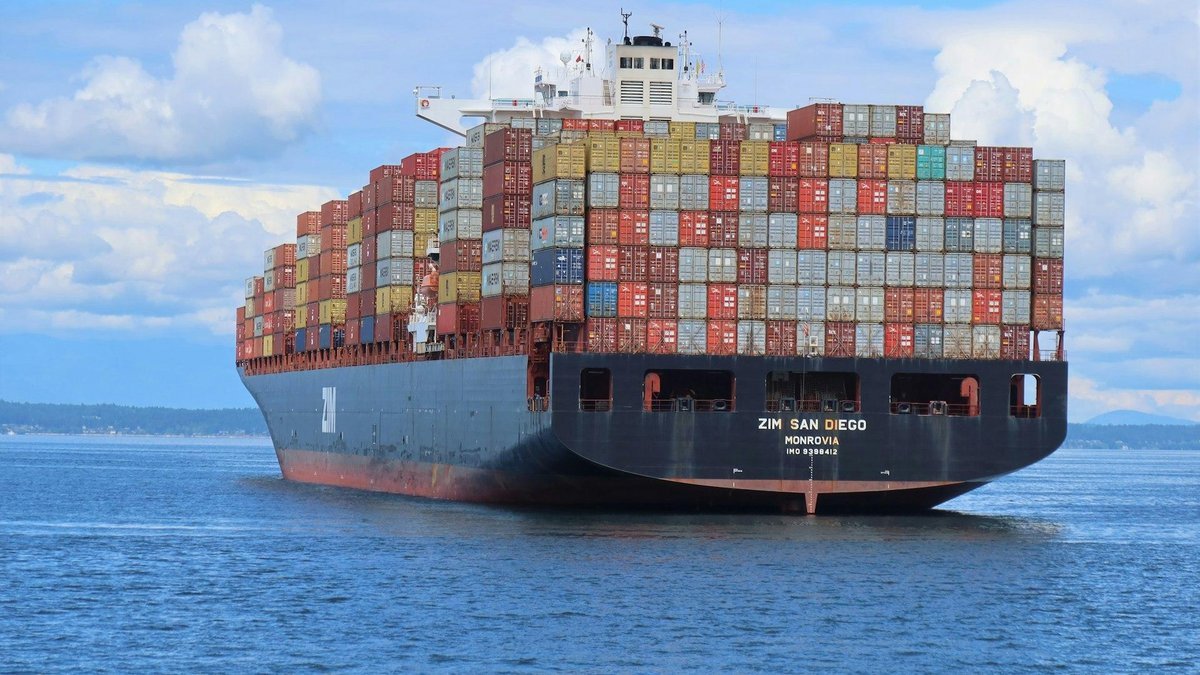
Swire Shipping will reduce its Feeder and Equipment Surcharge (FES) for selected trades involving the Indian Subcontinent, effective for Bills of Lading dated on or after 20 November 2026. The move marks a downward adjustment for a fee originally implemented on 1 April 2026 to offset costs associated with third-party feeder networks.
For exports from the region, the new surcharge is set at US$175 for 20-foot containers and US$350 for 20-foot reefers. Rates for 40-foot equipment are fixed at US$350 for standard containers and US$700 for reefers. Imports into the Indian Subcontinent face a different structure: US$150 for 20-foot containers, US$500 for 20-foot reefers, US$300 for 40-foot containers, and US$1,000 for 40-foot reefers.
Trades regulated by the US Federal Maritime Commission remain subject to the required regulatory notice periods. All FES amounts for origins and destinations outside the Indian Subcontinent scope remain unchanged.
Why it matters
The reduction in surcharges provides immediate relief to shippers and forwarders operating within the Indian Subcontinent trade lane. By lowering the cost of using feeder partners to reach core service areas, Swire Shipping is effectively reducing the total landed cost for cargo owners moving goods through these secondary ports.
For charterers and traders, this adjustment signals a shift in the carrier’s operational cost recovery strategy. Swire Shipping has explicitly tied the FES to the actual costs of its feeder network, stating that it will continue to monitor these expenses. This suggests that the surcharge is a variable lever the carrier will use to protect margins against fluctuations in feeder rates, rather than a fixed revenue stream.
The decision to lower these fees indicates that the cost of third-party feeder services in the region has likely stabilized or decreased since the surcharge was introduced in April. Market participants should view this as a potential indicator of cooling operational overheads in the region’s feeder network.
What to watch
Swire Shipping has stated its intention to further reduce or withdraw the surcharge when conditions allow. Future adjustments will depend on the carrier’s ongoing monitoring of operational costs, making the next update to the FES a key indicator of regional feeder market health.