JSV Logistic restores direct Türkiye-Canary Islands container link

JSV Logistic reinstates direct calls between Türkiye and the Canary Islands, boosting its weekly service to three container ships.
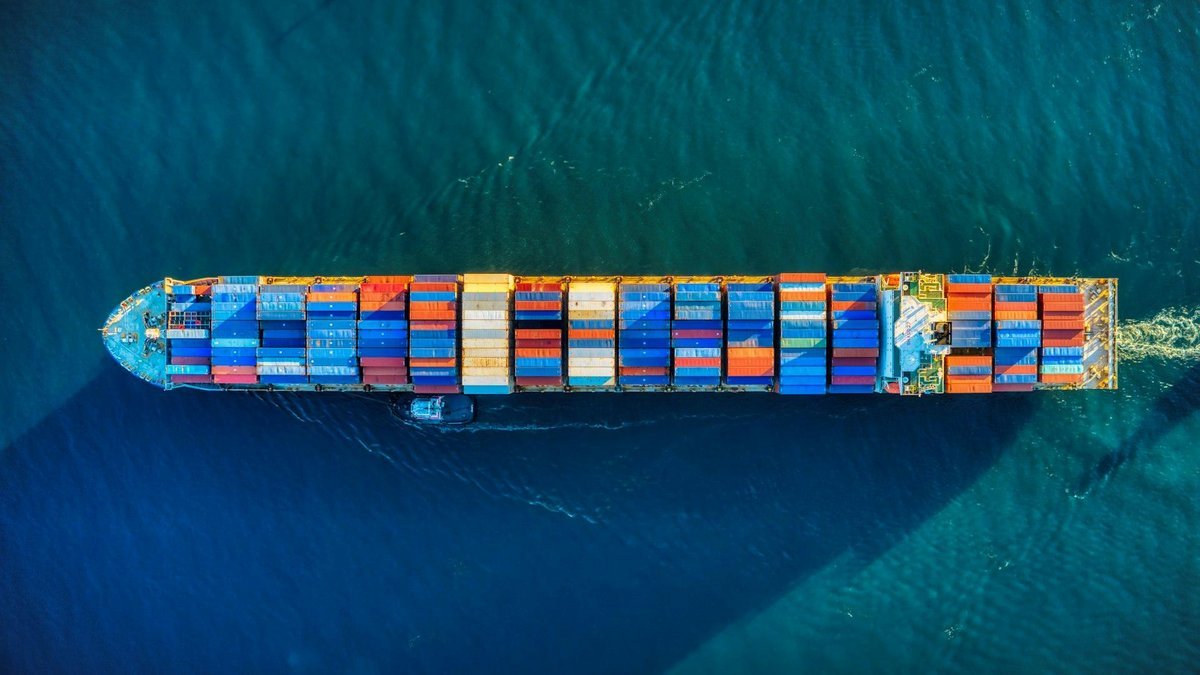
JSV Logistic has restored direct container links between Türkiye and the Canary Islands, reintegrating the archipelago into its weekly Türkiye–Spain service. The move ends a period of separation for the Canary Islands leg that began in mid-2026 and scales up the operation to a three-ship deployment.
The Spanish carrier is now operating the service with vessels ranging from 750 to 1,200 TEU. The updated rotation connects Izmit (Derince) directly with Alicante and Barcelona before heading to Santa Cruz de Tenerife, Las Palmas, and Arrecife, then returning via the same Spanish mainland ports to Türkiye.
Why it matters
The return to direct calls removes the transshipment hurdle for Turkish exporters. Shippers moving cargo from the industrial hub of Izmit to the Canary Islands no longer face the delays and handling costs associated with transferring containers at mainland Spanish hubs. By bypassing the need for a separate feeder link, JSV Logistic is tightening the transit time on a niche but consistent trade lane.
The decision to deploy three ships in the 750 to 1,200 TEU range indicates a commitment to frequency over sheer scale. These vessel sizes are well-suited for the port constraints of the Canary Islands while allowing the carrier to maintain a weekly schedule. For port operators in Las Palmas and Tenerife, the restoration of this direct link secures a steady stream of Turkish cargo that might otherwise have been consolidated onto larger vessels bound for different hubs.
For charterers and cargo owners, the increased deployment provides more predictable capacity. Reintegrating the service suggests that the previous model of separating the Canary Islands leg—which the company did in mid-2026—did not meet the operational or commercial requirements of the Türkiye-Spain trade. This pivot back to a unified service structure points to a preference for end-to-end control over the cargo journey.