PowerCell Expands Hydrogen Bulker Fuel Cell Supply | Mariner News
PowerCell Group has secured a follow-up order to supply fuel cell systems for two additional hydrogen-electric bulk carriers, expanding a pioneering project with GMI Group AS to a total of four vessels. The deal underscores a significant stride in the development of zero-emission short-sea shipping, with the first two vessels anticipated to be the world’s inaugural hydrogen-electric bulk carriers.
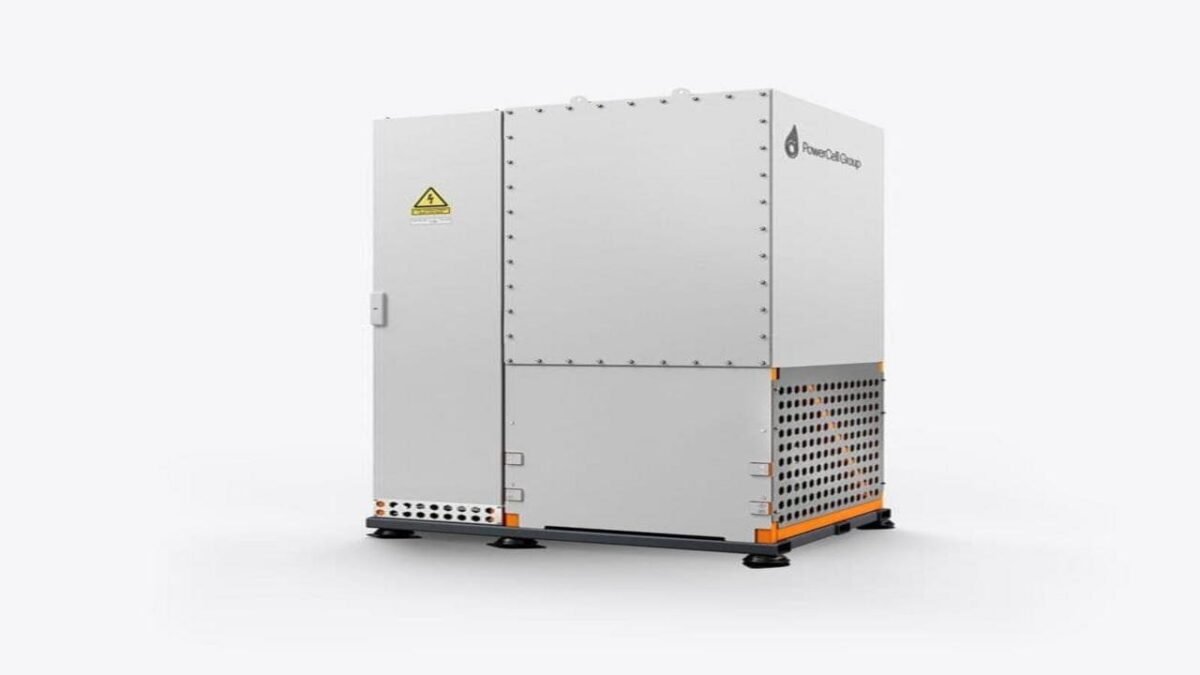
The SEK 27 million order covers 10 Marine System 225 fuel cell system units and engineering services. Deliveries for these new systems are scheduled for 2027-2028. This follows an initial agreement in September 2025 for two similar vessels, bringing the total number of ships in the project to four, which collectively will be fitted with 24 fuel cell units offering a combined installed capacity of 5.4 MW.
The two newly ordered bulkers will each feature a deadweight capacity of 3,000 tonnes and are slated for construction at India-based Chowgule Shipyard. Each will integrate five fuel cell units for onboard electricity generation from compressed renewable hydrogen. In contrast, the initial two vessels, measuring 85 meters with a deadweight capacity of 4,000 tonnes, are designed to utilize seven fuel cell units each.
This differentiated fuel cell configuration across vessels of varying deadweight capacities (seven units for 4,000 DWT versus five units for 3,000 DWT) highlights an evolving design approach. It suggests a tailored optimization of the hydrogen-electric propulsion system based on specific vessel size and operational profiles within the nascent zero-emission bulk sector. This practical application demonstrates ongoing engineering refinement as the industry gains experience with alternative fuel integration.
The expansion to a quartet of hydrogen-electric bulkers signals a deeper commitment to the technology and could indicate growing confidence in the operational viability and commercial potential of hydrogen for short-sea bulk transport. The initial two vessels are planned for launch in 2027.