Investigation Uncovers Hidden Costs of Farmed Seafood | Mariner News
The Outlaw Ocean Project (OOP) has unveiled findings from its multi-year “Food for Feed” investigation, revealing a stark contrast between aquaculture’s marketed sustainability and its actual environmental and social toll. The non-profit journalistic organization reports significant hidden costs associated with farmed seafood, challenging the perception that it alleviates pressure on marine ecosystems.
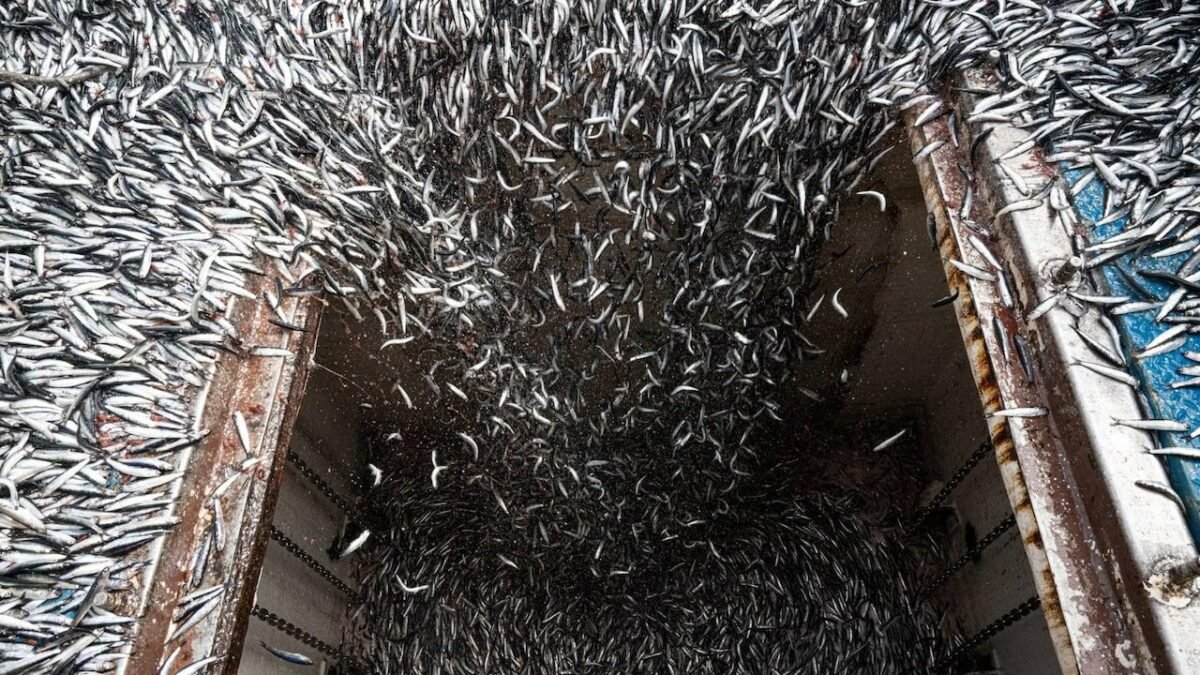
The investigation, spanning five years and involving an international team, focused on fishmeal as a primary feed ingredient for farmed fish. Contrary to the industry’s stated goal of easing ocean strain, over a fifth of all marine life removed from oceans is now channeled into feed for aquaculture. This practice fuels an industry valued at $313 billion, representing the fastest-growing segment of global food production and supplying more than half of the seafood eaten globally.
OOP’s findings paint a sobering picture, detailing widespread issues including forced labor, avoidable worker deaths, rampant stench, lost livelihoods, civil unrest, illegal fishing, food insecurity, and species disappearance. These revelations directly undermine aquaculture’s well-marketed reputation for eco-friendly practices.
The report’s implications extend through the maritime supply chain. Vessel operators, logistics providers, and port authorities involved in the transport of fishmeal, other feed ingredients, or farmed seafood itself may face intensified scrutiny regarding ethical sourcing and compliance. Regulatory bodies are likely to increase pressure on traceability and labor practices within fishing fleets supplying the feed industry, as well as on aquaculture farms themselves.
Furthermore, the challenge to aquaculture’s sustainability narrative could influence market dynamics. Shippers of farmed seafood may encounter shifts in consumer demand or heightened requirements from retailers and certification bodies, potentially impacting freight demand and operational costs for segments of the maritime sector connected to this rapidly expanding industry.