Nippon Biofuel Leads Japan’s Marine Biofuel Project | Mariner News
Pioneering Sustainable Shipping: Nippon Biofuel’s Strategic Role
Nippon Biofuel has been selected for a groundbreaking, Japan-backed marine biofuel project, marking a significant stride towards decarbonizing the global shipping industry. This ambitious initiative, spearheaded by Japan’s Ministry of Economy, Trade and Industry (METI), aims to establish a robust and sustainable marine biofuel supply chain that spans continents, connecting Africa with key bunkering hubs in Asia. The involvement of Nippon Biofuel, a prominent Japanese biofuel firm, underscores the nation’s commitment to fostering green shipping solutions and reducing carbon emissions within the maritime sector.
The project, valued at approximately JPY 7 billion (around $44 million), with JPY 4 billion allocated as subsidies, represents a substantial investment in the future of alternative marine fuels. This financial commitment highlights the strategic importance Japan places on developing reliable and environmentally friendly energy sources for its vast shipping fleet and the broader global maritime community. Nippon Biofuel’s selection is a testament to its expertise and potential to contribute significantly to this complex and vital undertaking.
The core of this marine biofuel project lies in creating a complete value chain, from sustainable feedstock cultivation to the final delivery of advanced biofuels to ships. This holistic approach is crucial for ensuring the long-term viability and ecological integrity of the initiative. By focusing on jatropha cultivation in Africa, Nippon Biofuel and its partners are addressing both the supply side of biofuel production and the socio-economic development of host nations, paving the way for a truly sustainable energy transition.
Japan’s Vision for a Global Green Fuel Supply Chain
Japan’s strategic vision extends beyond its borders, aiming to construct a global marine biofuel supply chain that will support maritime decarbonization on an international scale. The project specifically targets jatropha cultivation and biofuel production in Mozambique and Ghana, two African nations with suitable climates and agricultural potential. This focus on Africa not only secures a sustainable source of biomass but also promises economic opportunities and technological transfer for these developing economies. The emphasis on jatropha as a feedstock is noteworthy due to its non-food crop status, mitigating concerns about competition with food production and land use.
Complementing the production efforts, the project includes ambitious plans to build extensive bunkering infrastructure across key maritime regions. These strategic locations include Africa itself, as well as the critical Asian hub of Singapore and Japan. Establishing bunkering facilities in these areas is essential for making marine biofuels readily accessible to vessels, thereby accelerating their adoption within the shipping industry. This comprehensive infrastructure development will create a seamless pathway for green fuels from production to consumption, ensuring the smooth integration of biofuels into existing maritime operations.
The long-term objective of this Japan-backed initiative is impressive: to achieve an annual biofuel supply of 400,000 metric tons by 2032. This ambitious target underscores the scale of Japan’s commitment to sustainable shipping and its confidence in marine biofuels as a viable solution for reducing greenhouse gas emissions. Reaching this supply volume would significantly contribute to the decarbonization efforts of global shipping, offering a tangible pathway towards a greener future for maritime transport.
From Cultivation to Bunkering: A Holistic Biofuel Model
The marine biofuel project championed by METI and featuring Nippon Biofuel is designed around a holistic, full value chain model. This integrated approach encompasses every stage, starting from the responsible cultivation of jatropha, through efficient biofuel production, and culminating in advanced bunkering services. This end-to-end strategy ensures quality control, supply reliability, and traceability, which are paramount for building confidence in alternative marine fuels within a conservative industry.
The cultivation aspect in Mozambique and Ghana focuses on sustainable agricultural practices that enhance local communities and ecosystems. Jatropha, a robust perennial plant, can thrive on marginal lands, minimizing its environmental footprint and maximizing its potential as a sustainable biofuel feedstock. The production process will likely involve advanced conversion technologies to yield high-quality, compliant marine biofuel, suitable for blending with conventional fuels or for use in dedicated biofuel engines.
Beyond fuel production and supply, the project integrates crucial carbon reduction measures, highlighting its comprehensive environmental commitment. These measures include afforestation initiatives, which involve planting trees to sequester atmospheric carbon dioxide, and the utilization of biochar. Biochar, a stable form of carbon produced from biomass, can be used as a soil amendment to improve soil fertility and carbon sequestration, creating a positive feedback loop for environmental benefits. This multi-faceted approach ensures that the project not only provides green fuel but also actively contributes to carbon removal.
Key Collaborations Driving Maritime Decarbonization
The success of such a large-scale marine biofuel project hinges on robust collaboration across various stakeholders within the maritime and energy sectors. Several prominent Japanese maritime entities have already expressed strong support for the initiative, signaling broad industry endorsement. While formal participation is still pending for some, the indicative backing from major players like Mitsui O.S.K. Lines (MOL), a leading global shipping company, highlights the industry’s recognition of the project’s strategic importance for sustainable shipping.
Other key supporters include Kuribayashi Steamship Co., Ltd., a venerable shipping firm; Nippon Kaiji Kyokai (ClassNK), a renowned classification society ensuring safety and environmental standards; Fujii Oil Co., Ltd., an established oil supplier; and Tottori University, bringing valuable academic and research expertise. This diverse consortium of stakeholders demonstrates a united front in tackling the challenges of maritime decarbonization, pooling resources and knowledge to drive innovation in alternative marine fuels.
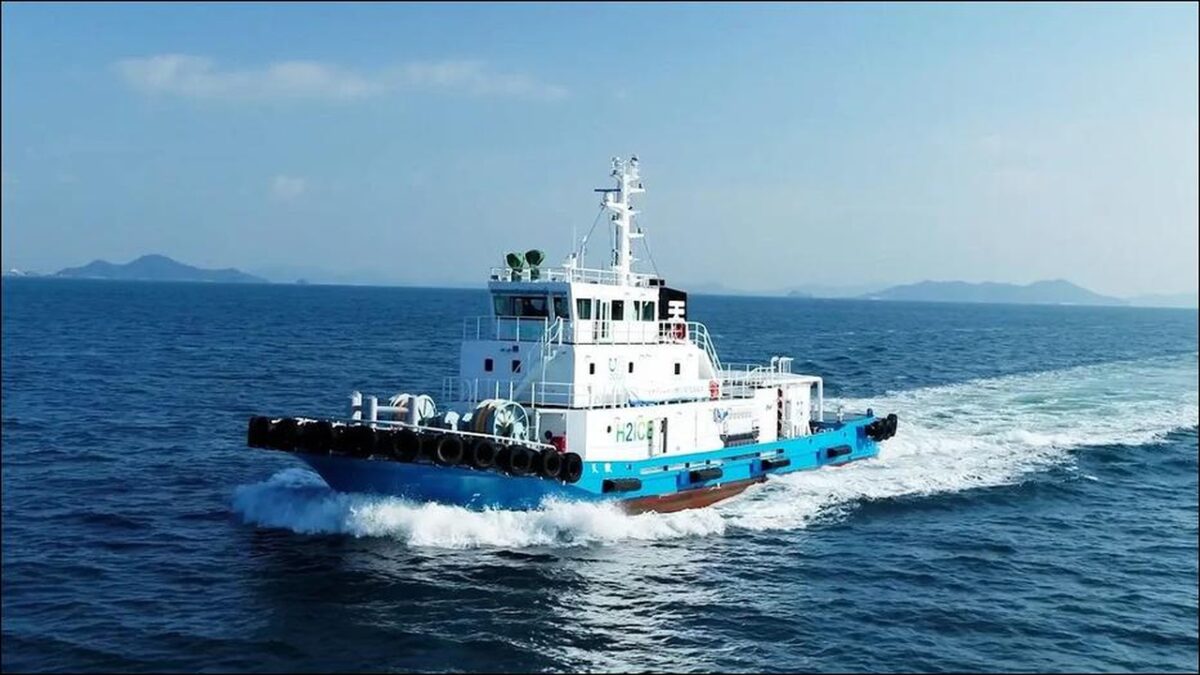
An early demonstration of the project’s feasibility and operational readiness has already taken place. A bunkering vessel operated by Fujii Oil successfully supplied a marine fuel blend containing 10% jatropha biofuel to a Ro-Ro vessel managed by Kuribayashi Steamship. This practical application not only validated the technical aspects of blending and bunkering jatropha-based fuels but also provided crucial real-world operational data, building confidence in the scalability and reliability of these new sustainable fuel options. Such pilot projects are vital for de-risking new technologies and paving the way for broader commercial adoption.
The Future of Marine Biofuels: Targets and Environmental Impact
Looking ahead, the Nippon Biofuel marine biofuel project is set to be a transformative force in the global energy transition within shipping. The aggressive target of 400,000 mt of biofuel supply by 2032 is not merely an operational goal but a strategic benchmark for industry-wide decarbonization. Achieving this scale will position Japan and its partners at the forefront of sustainable shipping, providing a replicable model for other nations and regions looking to reduce their carbon footprint.
The environmental impact of this initiative is multifaceted and profoundly positive. By replacing conventional fossil fuels with jatropha-based biofuels, the project directly contributes to a significant reduction in greenhouse gas emissions from marine vessels. Furthermore, the integrated carbon reduction measures, including afforestation and biochar implementation, add another layer of environmental benefit, creating a more holistic approach to climate action. This comprehensive strategy goes beyond simply reducing emissions to actively enhancing carbon sequestration.
This Japan-backed marine biofuel project holds immense potential to accelerate the adoption of alternative fuels across the maritime sector. Its success will serve as a powerful case study, demonstrating the economic viability and environmental imperative of transitioning to green shipping solutions. As global regulations tighten and stakeholder pressure for sustainability increases, initiatives like this, led by innovative companies such as Nippon Biofuel, are crucial for navigating the complexities of maritime decarbonization and securing a sustainable future for international trade and transportation.