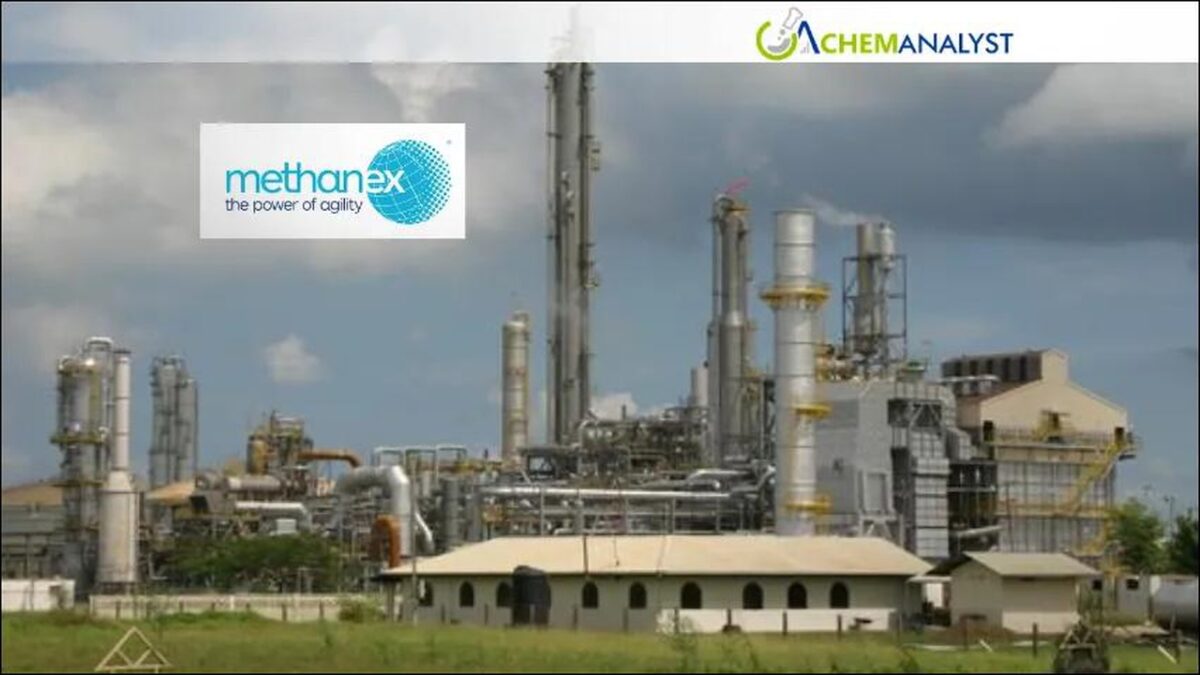
Methanex Idles Trinidad Methanol Plant Over Gas Supply | Mariner News
Methanex, a global leader in methanol production, has announced the indefinite idling of its 860,000 metric tons per year (Mt/year) methanol plant in Trinidad and Tobago, a significant operational shift expected in Q3 this year. This pivotal decision stems directly from unresolved issues regarding natural gas supply contracts for the facility, highlighting pervasive challenges within Trinidad and Tobago’s energy sector. The inability to secure commercially viable gas supplies has rendered continued operation of this high-capacity methanol plant unfeasible. This strategic pause by Methanex is poised to send ripples through the global methanol market, impacting supply, pricing, and broader investment strategies.
Navigating Trinidad’s Natural Gas Supply Predicament
Methanex’s decision to halt operations at its Trinidad and Tobago methanol facility stems from failing to finalize a commercially sustainable natural gas contract. The existing agreement, crucial for stability, expires in Q3. Despite extensive negotiations, a long-term feedstock supply resolution proved elusive, forcing Methanex to re-evaluate. This predicament highlights a persistent challenge in Trinidad and Tobago’s energy landscape, where the balance between natural gas supply and industrial demand is increasingly constrained.
Trinidad and Tobago, a key natural gas producer, faces declining output from mature fields and difficulties bringing new projects online. This structural tightening makes securing consistent, affordable natural gas contracts for large industrial consumers progressively difficult. Such supply constraints undermine operational stability and impact global companies’ long-term planning. This illustrates the chemical manufacturing sector’s critical reliance on stable energy resources.
The tight gas supply’s economic implications are profound, leading to elevated input costs and diminished local industry competitiveness. For Methanex, a reliable, cost-effective natural gas source is paramount to commercial viability. When this resource becomes unreliable or expensive, even efficient plants become unsustainable. This forces companies to prioritize global portfolio objectives, underscoring the critical need for robust natural gas solutions.
Strategic Preservation and Shareholder Value
Rich Sumner, CEO of Methanex, framed the company’s decision as a strategic imperative to “preserve long-term shareholder value in a challenging environment.” This highlights the core business principle behind idling the 860,000 Mt/year methanol facility. Operations lacking stable, affordable inputs risk financial health. The move, while impacting local employees and the Trinidadian economy, safeguards Methanex’s wider business interests and stakeholders.
Crucially, Methanex is implementing a “preservation process” not outright decommissioning. This strategic approach meticulously safeguards the facility’s infrastructure and assets. By doing so, the company maintains flexibility for a future restart “should conditions materially improve” concerning gas supply and market dynamics. This foresight is vital in volatile energy and commodity markets, allowing Methanex to adapt without prohibitive costs. It reflects a long-term vision amidst immediate operational hurdles.
The economic repercussions for Trinidad and Tobago remain considerable. A large-scale methanol plant generates substantial direct and indirect employment, contributing to local tax revenues and ancillary services. Its indefinite idling will undoubtedly create a ripple effect, potentially leading to job losses and reduced economic activity. This scenario underscores the delicate balance between corporate profitability and national economic development, emphasizing the urgency for stable energy policies.
Global Market Implications for Methanol and Energy
The cessation of operations at an 860,000 Mt/year methanol plant substantially withdraws capacity from the global methanol supply chain. This volume significantly influences global methanol prices and availability. Methanol is a critical chemical building block, indispensable in producing formaldehyde, acetic acid, and various polymers, vital for many industries. Its growing adoption as a clean-burning maritime fuel also implies supply disruptions affect shipping decarbonization initiatives.
The idling of this Trinidad and Tobago facility could tighten methanol supply, especially in Atlantic basin markets, potentially leading to upward price pressure. Other global methanol producers might see increased demand, prompting production and sales adjustments. For maritime transport, reduced reliable supply or significant price increases could complicate fleet decarbonization efforts. This highlights chemical production’s deep interconnectedness with global energy transitions and supply chain resilience.
Methanex’s announcement also highlights inherent vulnerabilities within the global energy supply chain. Natural gas, a crucial feedstock, is susceptible to geopolitical factors, regional imbalances, and infrastructure limitations. This decision could prompt industrial players to re-evaluate reliance on specific regions for energy-intensive production, potentially accelerating diversification or driving investments into more stable, cost-effective gas supplies. The energy sector will monitor this, underlining persistent challenges of resource allocation and contract stability worldwide.
Trinidad and Tobago’s Industrial Future
Trinidad and Tobago’s economy is anchored by its vast natural gas reserves and flourishing downstream petrochemical industry. Methanex’s decision to idle its methanol plant poses critical questions about the nation’s energy sector’s long-term sustainability and competitiveness. Historically, the country leveraged gas resources to attract substantial foreign investment. This development signals a potential turning point, suggesting the traditional economic model faces significant headwinds from evolving gas supply dynamics.
The government will undoubtedly face escalating pressure to address structural issues impacting natural gas availability and contracting. Renewed efforts to bring new offshore gas fields online, enhance exploration, and improve infrastructure for gas processing and distribution will be paramount. Without consistent, competitively priced gas supply, the nation risks losing vital industrial capacity and foreign investment, essential for economic diversification and job creation. Trinidad’s industrial growth hinges critically on effective resource management and forward-thinking energy policy.
This event could also catalyze a broader re-evaluation of Trinidad and Tobago’s industrial strategy. While gas-based industries are a cornerstone, current challenges underscore an urgent need for greater resilience and adaptability. Exploring renewable energy, fostering enhanced energy efficiency, and diversifying into less gas-intensive industries could become urgent priorities. The future trajectory of Trinidad as a prominent petrochemical hub depends heavily on navigating these supply challenges.
Methanex’s Adaptive Global Strategy
Methanex operates a robust, diversified portfolio of methanol production facilities globally. This extensive footprint provides inherent resilience against regional operational disruptions. Halting operations at the Trinidad and Tobago plant is integral to Methanex’s broader strategy to optimize its worldwide production network and ensure enduring commercial viability. The company consistently evaluates market conditions, feedstock availability, and logistical efficiencies to maintain its leading position as a global methanol producer.
The meticulous preservation process at the Trinidad facility underscores Methanex’s strategic foresight and commitment to maximizing long-term asset value. By maintaining the plant for a future restart, the company retains invaluable optionality. This allows them to react swiftly should Trinidad’s natural gas supply improve or global methanol market dynamics shift favorably. This adaptive approach is indispensable for navigating petrochemical and energy sector volatilities, demonstrating flexible capital allocation.
CEO Rich Sumner’s commitment to closely monitoring future developments “over the coming years” signals Methanex’s continued engagement with the region, despite the current operational suspension. While immediate operational hurdles are substantial, the company is not irrevocably disengaging. This prudent strategy positions Methanex to potentially capitalize on future enhancements in the local gas market or improved global economic conditions, reinforcing their standing as a leading global methanol supplier.
Conclusion
Methanex’s strategic decision to indefinitely idle its 860,000 Mt/year methanol plant in Trinidad and Tobago marks a pivotal moment for both the company and the nation’s energy-intensive industrial landscape. Driven by inability to secure a viable natural gas contract amid persistent supply tightness, this move vividly underscores resource availability’s profound impact on global manufacturing and supply chains. While aimed at preserving long-term shareholder value, the operational pause introduces considerable economic challenges locally and could influence the global methanol market’s delicate balance. The careful preservation of the facility offers hope for a future restart, contingent on material improvements in gas supply. This event serves as a potent reminder of the intricate interplay between natural resource management, industrial policy, and economic sustainability for major chemical producers within our dynamic global energy landscape. Stakeholders will undoubtedly watch developments in Trinidad and Tobago’s gas sector and Methanex’s global strategic adjustments.