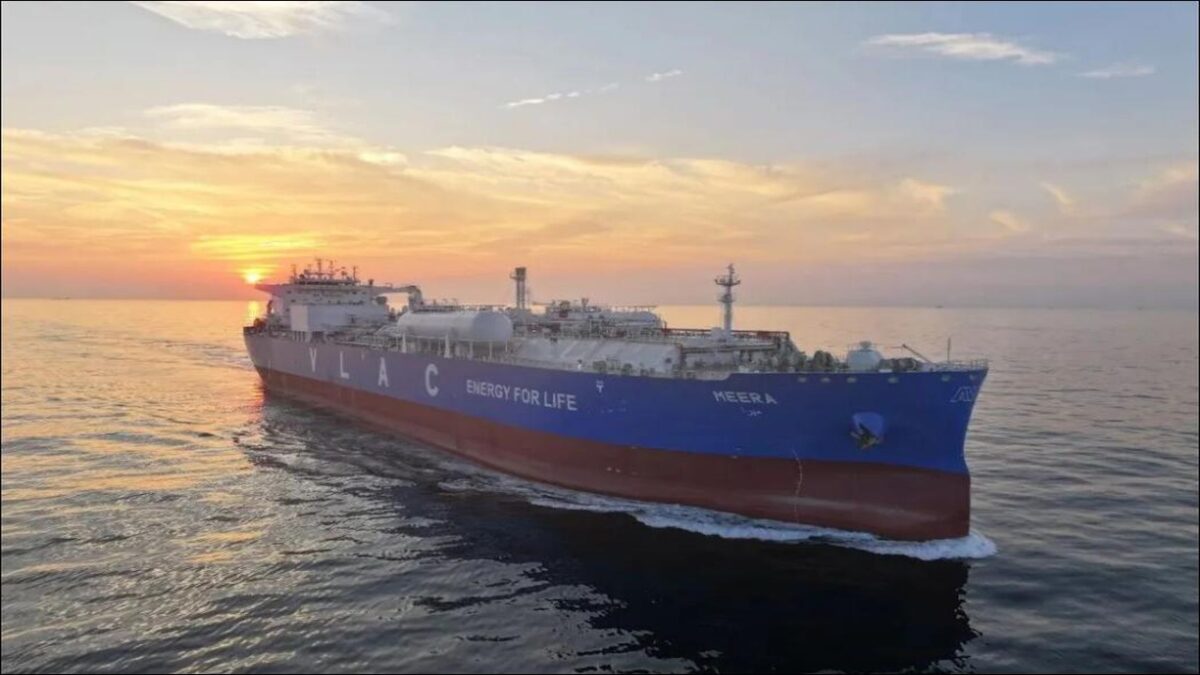
Jiangnan Shipyard Builds Very Large Ammonia Carrier (VLAC) | Mariner News
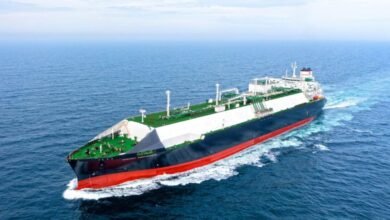
In a significant move poised to reshape the landscape of sustainable maritime transport, China’s prominent Jiangnan Shipyard has officially commenced the construction of a state-of-the-art Very Large Ammonia Carrier (VLAC). This groundbreaking project marks a pivotal moment for the shipping industry, as the demand for cleaner energy solutions and efficient long-haul ammonia shipping continues to surge globally. The steel cutting ceremony for this 95,000 cubic meter vessel, commissioned by Jaldhi Overseas Pte, signals a strong commitment to facilitating the growing trade in green ammonia and driving forward the decarbonization agenda within the global maritime sector.
This new ammonia carrier is not merely another addition to the world’s fleet; it represents a strategic investment in the future of energy logistics. With the maritime industry under increasing pressure to reduce its carbon footprint, ammonia has emerged as a frontrunner among alternative marine fuels and a crucial energy commodity for a greener future. Jiangnan Shipyard’s initiative to build such a specialized gas carrier underscores the industry’s readiness to adapt and innovate, providing the infrastructure necessary to transport vast quantities of ammonia safely and efficiently across oceans.
Catalyzing the Green Ammonia Revolution in Shipping
Ammonia, a compound of nitrogen and hydrogen, is gaining immense traction as a vital component in the global transition towards sustainable energy. When produced using renewable energy sources, it is referred to as green ammonia, offering a carbon-free alternative that can be stored, transported, and converted back into hydrogen or used directly as fuel. The maritime sector’s embrace of ammonia as a potential fuel source represents a critical step towards achieving stringent international emission reduction targets and fostering a truly sustainable shipping ecosystem.
The development of Very Large Ammonia Carriers like the one being built by Jiangnan is indispensable for establishing robust global supply chains for this burgeoning commodity. As countries and industries worldwide seek to decarbonize their energy systems, the demand for clean ammonia for various applications—from agricultural fertilizers to industrial processes and, increasingly, as marine fuel—is projected to skyrocket. These specialized vessels will play a crucial role in connecting regions with abundant renewable energy resources, capable of producing green ammonia, to consumption centers across the globe.
Such advanced ammonia transport ships are designed to meet the rigorous demands of long-haul voyages, ensuring the safe and efficient delivery of this complex cargo. Their existence underpins the entire value chain of green hydrogen and ammonia, enabling a future where energy is not only clean at the point of consumption but also in its production and transportation. This development is a clear indicator of the shipping industry’s proactive role in facilitating the broader global energy transition and committing to environmental sustainability.
Advanced Engineering: Features of the Next-Generation 95,000 m³ Ammonia Carrier
The Jiangnan-built VLAC boasts cutting-edge design and engineering, specifically tailored for the intricate requirements of ammonia handling and transport. With an impressive total cargo capacity of 95,000 cubic meters, the vessel features innovative enhancements, including two 1,000 cubic meter deck tanks that boost its overall carrying potential. This design significantly enhances the ship’s operational flexibility, making it an incredibly valuable asset for operators navigating diverse market demands.
Beyond its primary function as an ammonia tanker, this sophisticated vessel is engineered with dual-cargo capabilities. It can also transport various LPG cargoes, such as propane and butane, alongside ammonia. This multi-purpose functionality provides operators, including Jaldhi Overseas Pte, with greater versatility, allowing them to adapt to fluctuations in commodity markets and optimize their routes and cargo loads. Such adaptability is crucial in a dynamic global energy market, ensuring efficient utilization of this considerable maritime asset.
The meticulous design by Jiangnan Shipyard integrates advanced safety features and efficient cargo management systems, essential for the secure transportation of pressurized gases and liquefied chemicals. While it is yet to be confirmed if the vessel itself will be powered by ammonia, its construction is certainly aligned with the vision of a future where ammonia-fueled ships are commonplace. The ship’s advanced specifications reflect Jiangnan’s expertise in specialized shipbuilding and its commitment to delivering high-performance, future-ready maritime transport solutions that meet evolving industry standards and environmental regulations.
Strategic Impact on Global Energy and Maritime Trade Routes
The introduction of new Very Large Ammonia Carriers carries profound strategic implications for international trade and global energy security. These vessels are instrumental in creating new trade corridors for renewable energy, enabling countries rich in renewable resources to become key suppliers of green ammonia to energy-deficient regions. This diversification of energy sources and supply routes enhances resilience against geopolitical instabilities and traditional fossil fuel market volatilities.
For ship owners and operators like Jaldhi Overseas Pte, investing in such advanced ammonia carrying vessels represents a forward-thinking business strategy. It positions them at the forefront of the burgeoning green energy logistics sector, allowing them to capitalize on the increasing global demand for low-carbon fuels and chemical feedstocks. The flexibility to carry both ammonia and conventional LPG cargoes also mitigates market risks, ensuring sustained profitability in a transitioning energy landscape.
Furthermore, the expansion of the ammonia shipping market will inevitably impact traditional LPG shipping markets. As ammonia gains prominence, the dynamics of gas carrier deployment and fleet composition will shift, creating new opportunities and challenges for the entire maritime logistics industry. These large-capacity vessels are critical infrastructure for accelerating the transition away from fossil fuels, facilitating the global distribution of the cleaner energy required to power industries and societies worldwide.
Jiangnan Shipyard’s Leadership in Sustainable Maritime Innovation
Jiangnan Shipyard has long been recognized as a leader in innovative shipbuilding and a pioneer in specialized vessel construction. Their decision to embark on the Very Large Ammonia Carrier project underscores their commitment to pushing the boundaries of marine engineering and embracing sustainable practices. This move reinforces their reputation not just as a builder of ships, but as a key enabler of global green shipping initiatives.
The shipyard’s extensive experience in constructing complex gas tankers and other high-tech vessels provides a solid foundation for successfully delivering this advanced ammonia transport ship. Their continuous investment in research and development, coupled with their skilled workforce, positions Jiangnan at the cutting edge of low-carbon marine technology. This project is a testament to China’s growing influence and capabilities in developing and deploying eco-friendly ship designs that meet stringent international environmental standards.
By taking on projects like the VLAC, Jiangnan Shipyard is actively contributing to the overall decarbonization of the maritime sector. They are not only building the physical vessels but also fostering an environment of innovation that encourages the development of better materials, more efficient propulsion systems, and safer cargo handling methods for future generations of ships. Their leadership helps set benchmarks for the entire shipbuilding industry, guiding it towards a more sustainable and responsible future.
This significant undertaking by Jiangnan Shipyard to build a Very Large Ammonia Carrier is more than just a shipbuilding contract; it is a powerful statement about the future of ammonia shipping and the maritime industry’s commitment to a cleaner world. As this innovative gas carrier takes shape, it symbolizes the tangible progress being made in decarbonizing the maritime sector and advancing the global transition to green energy. The vessel’s capabilities for flexible, efficient, and safe ammonia transport will undoubtedly play a crucial role in shaping the energy landscape for decades to come, heralding a new era of sustainable maritime transport and reinforcing the vital connection between global trade and environmental responsibility. Industry stakeholders are encouraged to monitor these developments closely as they pave the way for a greener, more resilient shipping future.