Melting Ice Unlocks New Canadian Arctic Waters | Mariner News
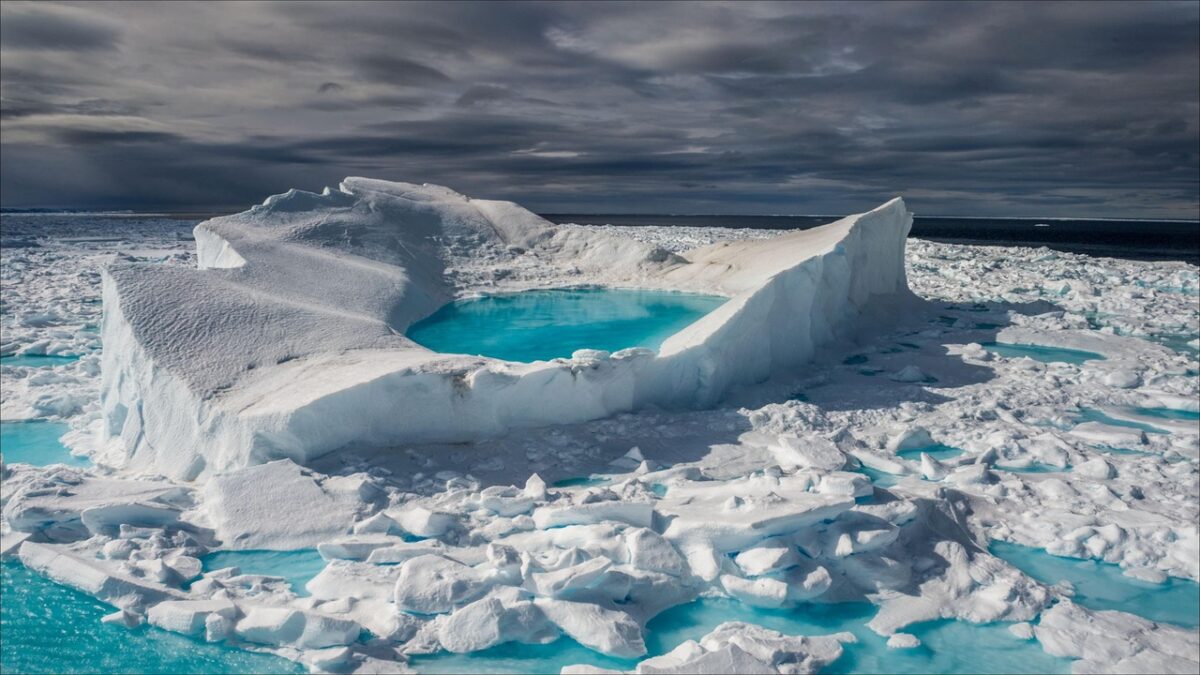
Melting ice is dramatically reshaping the Canadian Arctic, opening up previously inaccessible waters to navigation. For the first time, long-frozen areas like the Queen Elizabeth Islands and western Tuvaijuittuq are becoming navigable due to significant sea ice melt. This transformation, largely driven by ongoing climate change, presents unique opportunities for research and understanding this vital polar region.
Icebreaker Expeditions Reveal New Passages
A recent September expedition saw the Canadian icebreaker CCGS Amundsen successfully explore these historically impenetrable waters. Led by researchers from Fisheries and Oceans Canada (DFO) and the University of Manitoba, this voyage marked the first comprehensive oceanographic research in the area. Scientists reported finding “heavily melted ice,” with the thickest observed around seven meters, significantly increasing open water for Arctic navigation. Experts attribute the weakening of multi-year ice in Canada’s high north to global climate change, indicating a distinct shift towards more seasonal ice.
New Era for Arctic Research and Exploration
The accessibility of these once-frozen domains offers an unprecedented chance for scientists to study previously unexplored parts of the Arctic. These new navigable waters provide invaluable opportunities for comprehensive oceanographic research, allowing us to better understand the delicate ecosystems and changing conditions of this vital polar region. The once-permanent sea ice areas are now yielding to maritime exploration, promising deeper insights into climate impacts.