St1 Biokraft Fuels Gotland Ferries with Bio-LNG | Mariner News
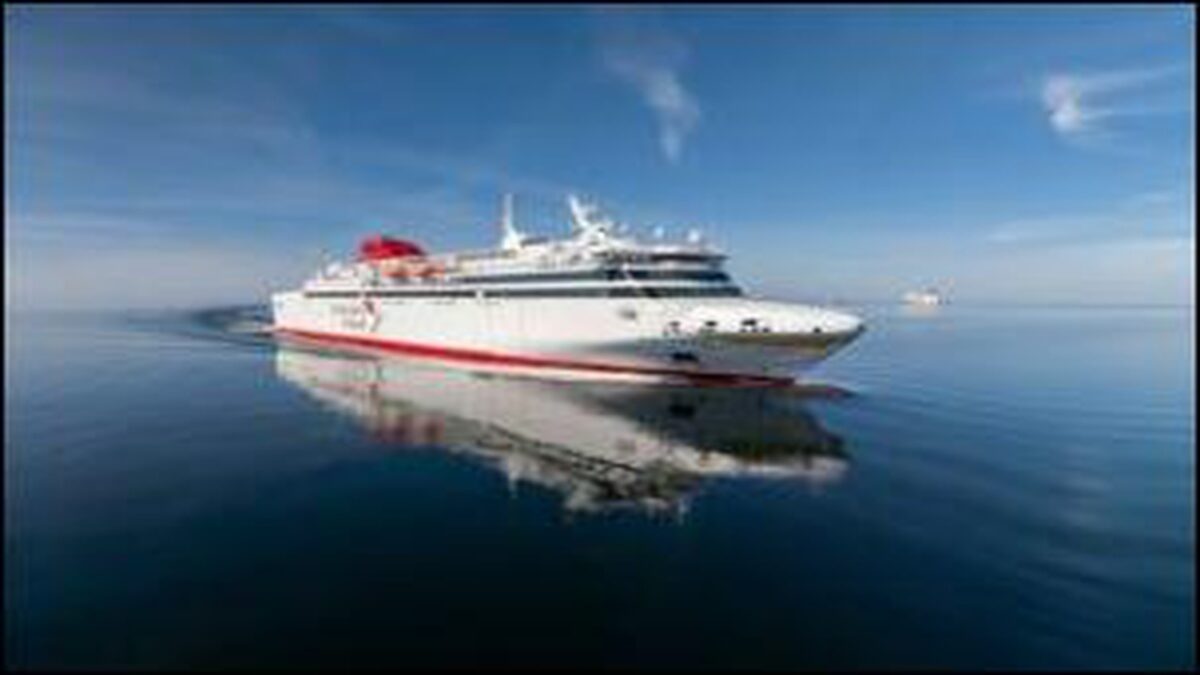
In a significant stride towards sustainable maritime operations, Nordic biomethane producer St1 Biokraft has commenced supplying Bio-LNG to Destination Gotland ferries. This pivotal collaboration marks a crucial step in reducing the environmental footprint of ferry services, particularly during the bustling summer season and the influential Almedalen Week in 2026. The adoption of this renewable marine fuel by Destination Gotland underscores a growing industry commitment to decarbonization and the pursuit of cleaner energy solutions in shipping.
This strategic partnership sees a substantial volume of Bio-LNG, derived from organic waste, powering approximately 30 one-way ferry crossings between Visby and Nynashamn. Notably, around 10 of these voyages will be fueled by biogas produced right in Sweden, emphasizing the importance of local, sustainable energy sourcing. The initiative not only highlights St1 Biokraft’s capabilities as a leading supplier of green fuels but also Destination Gotland’s proactive approach to embracing eco-friendly shipping practices. The physical bunkering of this advanced fuel is expertly handled by the renowned LNG bunker firm Avenir in Visby, ensuring seamless integration into existing operations.
The Pivotal Role of Bio-LNG in Sustainable Shipping
Bio-LNG, or liquified biomethane, stands at the forefront of the marine industry’s efforts to transition towards a more sustainable future. Unlike conventional fossil-based LNG, Bio-LNG is produced through the anaerobic digestion of organic materials such as agricultural waste, municipal waste, and sewage sludge. This process captures methane that would otherwise be released into the atmosphere, transforming it into a valuable, renewable energy source. When used as a marine fuel, Bio-LNG offers significant environmental advantages, including a drastic reduction in greenhouse gas emissions – specifically carbon dioxide (CO2), nitrogen oxides (NOx), sulfur oxides (SOx), and particulate matter.
Its chemical composition allows for cleaner combustion, which directly translates to improved air quality and a smaller carbon footprint for vessels. The adoption of Bio-LNG is not just about meeting regulatory compliance, such as the IMO’s increasingly stringent emissions targets, but about demonstrating a genuine commitment to environmental stewardship. For ferry operators like Destination Gotland, which often navigate ecologically sensitive coastal waters, embracing such advanced biofuels is paramount. It allows them to maintain essential transport links while actively contributing to regional and global decarbonization goals, setting a powerful precedent for other shipping companies.
This renewable fuel solution provides an immediate and scalable pathway to lower emissions, leveraging existing LNG infrastructure with minimal modifications. Its ‘drop-in’ capability makes it an attractive option for vessels already equipped to run on conventional LNG, accelerating the pace of sustainable transformation within the maritime sector. The lifecycle emissions reduction offered by Bio-LNG makes it a cornerstone of any comprehensive strategy aimed at achieving net-zero emissions in the coming decades, bridging the gap between current operational demands and future environmental imperatives.
St1 Biokraft’s Leadership in Green Energy Supply
St1 Biokraft has firmly established itself as a key player in the Nordic region’s renewable energy landscape, driving innovation in biomethane production and supply. Their expertise in converting various organic feedstocks into high-quality biogas and then liquifying it into Bio-LNG positions them as an indispensable partner for industries seeking to green their operations. The company’s commitment extends beyond mere production; it encompasses developing robust supply chains and fostering strategic partnerships to ensure the widespread availability and accessibility of these crucial alternative fuels.
Sohrab Moshiri, Head of Sales at St1 Biokraft, expressed immense satisfaction with the new collaboration, particularly highlighting the value of local production. “We are pleased to begin this new collaboration with Destination Gotland, and it is particularly positive that part of the volume is Swedish-produced,” Moshiri stated. This emphasis on local sourcing not only reduces the carbon footprint associated with transport but also supports regional economies and enhances energy security. St1 Biokraft’s dedication to sustainable energy solutions is evident in their continuous efforts to scale up production and expand their network, making renewable marine fuel a practical reality for more operators.
Their proactive approach in partnering with maritime industry leaders like Destination Gotland demonstrates a clear vision for a future powered by clean, renewable energy. By providing reliable access to Bio-LNG, St1 Biokraft is not just supplying fuel; they are enabling a systemic shift towards cleaner shipping. Their role is critical in showcasing the commercial viability and environmental efficacy of biomethane, thereby encouraging wider adoption across various transport sectors. This leadership is vital for accelerating the energy transition and achieving ambitious climate targets set for the marine industry.
Destination Gotland’s Vision for Eco-Friendly Ferry Services
Destination Gotland has long been a vital link for the island, and their recent move to integrate Bio-LNG into their fuel mix reinforces their commitment to environmental responsibility. The company’s proactive stance in purchasing renewable marine fuel directly supports its overarching strategy to significantly reduce operational emissions. This initiative is a clear indicator of their dedication to increasing the use of locally produced renewable fuel sources, thereby enhancing sustainability across their fleet and services.
This commitment to a greener future is particularly significant given the timing. The supply of Bio-LNG coincides with Almedalen Week, held in Visby from June 22-26, 2026. This period represents Sweden’s largest annual political and societal forum, attracting thousands of visitors and marking a peak travel period for Gotland ferry services. By showcasing their use of Bio-LNG during such a high-profile event, Destination Gotland sends a powerful message about the feasibility and readiness of sustainable transport solutions. It highlights how essential services can operate efficiently while drastically cutting their environmental impact, offering a tangible example for other industries.
Destination Gotland’s embrace of Bio-LNG is more than just a fuel switch; it is an integral part of their long-term decarbonization journey. This includes exploring various innovative technologies and operational efficiencies to achieve their environmental goals. Their active participation in this renewable energy partnership demonstrates a forward-thinking approach that prioritizes ecological benefits alongside operational excellence. Such initiatives are crucial for building public trust and demonstrating that environmentally conscious choices can go hand-in-hand with reliable and essential public services, driving positive change across the entire transport sector.
Seamless Logistics: The Role of LNG Bunkering
The effective deployment of alternative marine fuels like Bio-LNG relies heavily on robust and efficient bunkering infrastructure. In this partnership, LNG bunker firm Avenir plays a crucial role, responsible for the physical delivery and bunkering of the Bio-LNG in Visby. Their expertise in handling and transferring liquefied gases ensures that the fuel supply to Destination Gotland’s ferries is safe, reliable, and timely. The availability of specialized bunkering services is a critical enabler for the wider adoption of Bio-LNG and other gas-based fuels in the shipping industry.
Efficient bunkering operations are vital for maintaining vessel schedules and operational continuity, making partners like Avenir indispensable. Their ability to provide flexible and dependable fuel delivery solutions directly contributes to the success of sustainable shipping initiatives. This collaboration underscores the importance of a well-developed supply chain network that can accommodate the unique requirements of renewable marine fuels, bridging the gap between production and consumption. As more operators look to green their fleets, the expansion of such bunkering capabilities will become even more paramount.
Such logistical partnerships are a testament to the collaborative effort required to transform the maritime sector. From the producer of the Bio-LNG to the bunkering firm and finally to the ferry operator, each link in the chain plays a vital role in realizing the vision of sustainable shipping. These coordinated efforts are essential for building confidence in alternative fuels and accelerating the industry’s transition away from fossil-based energy sources, paving the way for a truly green maritime future. The success of this specific operation in Visby provides a strong case study for future Bio-LNG projects globally.
Looking Ahead: The Future of Renewable Marine Fuels
The collaboration between St1 Biokraft and Destination Gotland serves as an inspiring example of how partnerships can accelerate the maritime industry’s journey towards decarbonization. The increasing global focus on climate change and stringent environmental regulations means that renewable marine fuels, particularly Bio-LNG, will play an ever-more critical role in achieving net-zero emission targets. This initiative demonstrates the immediate viability and tangible benefits of integrating sustainable energy sources into mainstream shipping operations.
As the industry continues to explore various alternative fuels – including green methanol, ammonia, and hydrogen – Bio-LNG offers a proven, low-carbon solution that can be deployed today. Its capacity to significantly reduce greenhouse gas emissions and air pollutants provides a crucial stepping stone towards a fully decarbonized fleet. The success of projects like the one powering Destination Gotland ferries will undoubtedly encourage more shipping companies to invest in Bio-LNG and other advanced biofuels, fostering a greener, more sustainable future for global maritime transport.
Ultimately, the wider adoption of such sustainable shipping solutions will require continued investment in production infrastructure, enhanced bunkering networks, and supportive regulatory frameworks. The proactive steps taken by St1 Biokraft, Destination Gotland, and Avenir are not just about individual success; they are about paving the way for an entire industry to embrace environmental responsibility. This commitment to renewable marine fuel is a clear signal that the era of sustainable shipping is not only possible but actively underway, promising cleaner seas and healthier air for generations to come. We encourage all stakeholders to explore and adopt these transformative green technologies.