LNG Leads Alternative-Fuelled Vessel Orders in June | Mariner News
The global maritime industry stands at a pivotal juncture, navigating the complex waters of environmental responsibility and operational efficiency. As pressure mounts for sectors worldwide to reduce their carbon footprint, the shipping industry is making significant strides towards sustainable practices. A recent report from the classification society DNV highlights this accelerating shift, revealing that June saw a notable uptick in orders for alternative-fuelled vessels, with LNG shipping solutions firmly establishing their dominance. This trend underscores a clear commitment by shipowners and operators to embrace cleaner energy sources, signaling a transformative era for global shipping. The report from DNV’s AFI (Alternative Fuels Insight) platform provides invaluable data, offering a window into the evolving landscape of marine propulsion and the industry’s proactive pursuit of maritime decarbonization.
The Rise of LNG as a Dominant Marine Fuel
June 2026 marked a critical period for the adoption of sustainable marine fuel technologies, with a total of 15 alternative-capable ships being ordered. Out of these, a significant majority—ten vessels—were designated for LNG fuel, showcasing its continued leadership in the quest for greener shipping solutions. This strong performance positions LNG as a preferred choice for many stakeholders looking to invest in future-proof fleets. The remaining five orders for the month were attributed to LPG/ethane carriers, indicating a diversified approach to alternative fuels within the shipping sector, yet solidifying the prominence of gas-based solutions. Kristian Hammer, product manager for AFI and senior consultant at DNV, emphasized this trend in a recent LinkedIn post, highlighting the clear preference for LNG fuel in current newbuild projects.
While June’s orders for alternative-fuelled vessels were impressive, particularly for LNG, they still represented a decrease from the busier months of May and April, which saw 36 and 38 such orders respectively. This fluctuation can be attributed to various market dynamics, including economic conditions, shipbuilding capacity, and evolving regulatory frameworks. However, June’s figures still represented a significant rebound from March, when only five alternative-capable ships were ordered, demonstrating a resilient and upward trajectory in the long-term commitment to sustainable shipping. The sustained interest in LNG-powered vessels reinforces the fuel’s strategic importance in meeting ambitious environmental targets and ensuring the industry’s progression towards a low-carbon future.
Beyond just the main cargo vessels, the infrastructure supporting LNG shipping is also expanding rapidly. June saw orders for two additional LNG bunker vessels, critical components in establishing a robust global supply chain for this cleaner fuel. These new bunker vessel orders bring the total for the first half of the year to seven, illustrating a concerted effort to enhance LNG fuel availability at key maritime hubs worldwide. The development of bunkering infrastructure is crucial for scaling up LNG adoption and instilling confidence among shipowners considering investments in LNG-capable vessels. This strategic expansion not only facilitates broader uptake but also contributes to the overall ecosystem required for maritime sustainability.
Broader Trends in Alternative Fuels: A Half-Year Review
Looking at the broader picture, the first six months of 2026 revealed a substantial commitment to alternative fuels within the global fleet. A total of 134 alternative-capable ships were ordered during this period, signaling a continued strong interest in eco-friendly vessels. While this number is slightly down from the 155 orders recorded in the same period last year, it still represents a robust pipeline of newbuilds designed to operate on cleaner energy sources. This sustained level of investment, despite minor year-on-year variations, underscores the industry’s long-term vision for decarbonization and its unwavering dedication to reducing environmental impact. The minor dip might reflect specific market adjustments rather than a fundamental shift away from green shipping initiatives.
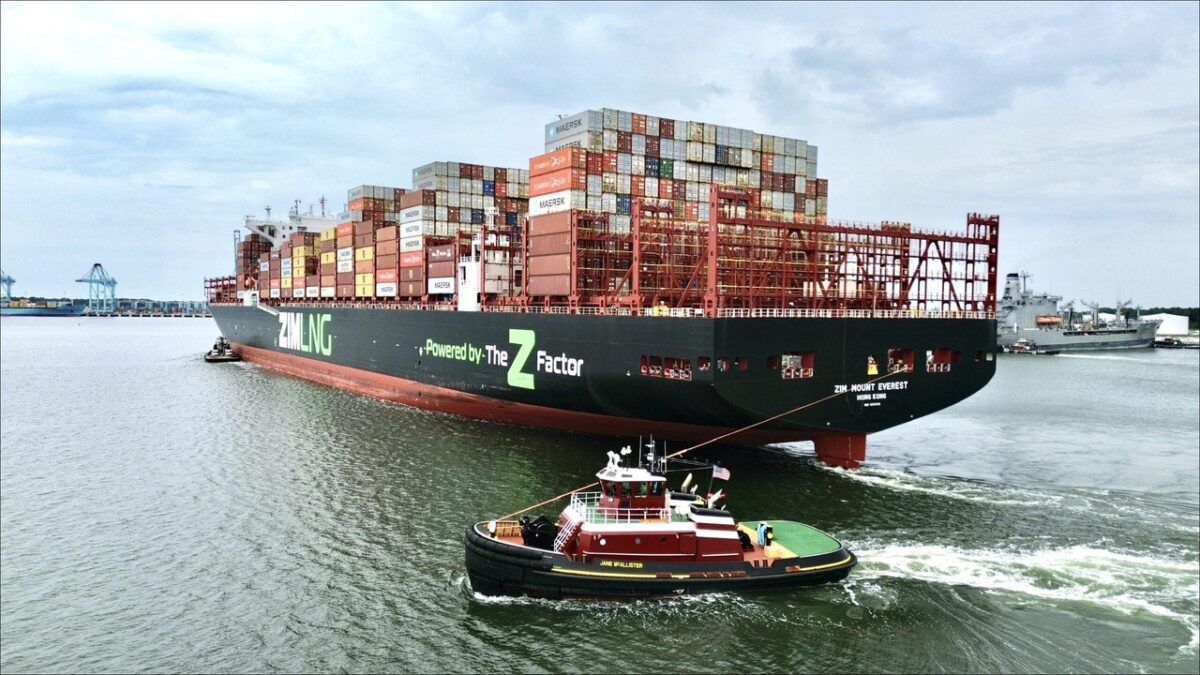
Within these half-year figures, LNG remains the undisputed frontrunner, accounting for 73 vessels ordered. This strong preference for LNG is particularly evident in specific segments of the shipping market. Container ships led the way, with 42 new orders for LNG-fuelled vessels, indicating that this high-volume cargo segment is actively embracing the transition to cleaner fuels to meet consumer and regulatory demands. Following closely were car carriers, contributing 21 orders to the LNG total. This highlights a clear trend where segments focused on high-value cargo and those under intense public and corporate scrutiny are more readily adopting advanced sustainable marine fuel technologies. The versatility of LNG to power a diverse range of vessel types reinforces its position as a go-to solution for low-carbon shipping.
While LNG dominates, other alternative fuels are also gaining significant traction. LPG/ethane carriers have experienced a notable surge, with 55 orders recorded in the first half of 2026. This growing interest in LPG/ethane, often as a dual-fuel option, points to a diversifying portfolio of clean energy solutions available to shipowners. These fuels offer distinct advantages depending on vessel type, trade routes, and operational profiles. Furthermore, the DNV report also sheds light on deliveries of alternative-fuelled ships. So far this year, 61 LNG-fuelled vessels have been delivered, actively entering service and demonstrating the real-world deployment of these technologies. Methanol-fuelled vessels are also making their mark, with 38 deliveries, showcasing the emerging role of methanol as a viable pathway towards maritime sustainability. The co-existence and growth of multiple low-emission fuels underscore a dynamic and evolving landscape for maritime propulsion.
Driving Maritime Decarbonization: DNV’s Insights
DNV, a global leader in maritime classification and advisory services, plays a crucial role in tracking and guiding the industry’s decarbonization efforts. Their AFI platform serves as an indispensable resource, providing granular data and expert analysis on the adoption of alternative fuels. Kristian Hammer’s commentary consistently emphasizes the industry’s evolving preferences and the strategic considerations behind fuel choices. His insights highlight that while LNG has established a strong foothold due to its maturity and infrastructure, the industry is also exploring other promising avenues like methanol and ammonia as future clean energy solutions. DNV’s continued monitoring helps stakeholders make informed decisions about technology investments and operational strategies, ensuring a sustainable trajectory for global shipping.
The strategic importance of choosing the right alternative marine fuels cannot be overstated for shipowners. These decisions involve substantial capital investments and long-term commitments, influencing a vessel’s operational costs, regulatory compliance, and market competitiveness for decades. The trend towards LNG shipping and other eco-friendly fuels is not merely a compliance exercise but a fundamental reorientation towards a more responsible and resilient future. Shipowners are increasingly recognizing that investing in sustainable vessels provides a competitive edge, appealing to environmentally conscious cargo owners and investors, while simultaneously safeguarding against future carbon pricing or stricter emissions regulations. This forward-thinking approach is critical for long-term viability in an increasingly green-conscious global economy.
These trends are inextricably linked to overarching global emissions targets and increasingly stringent regulations from bodies such as the International Maritime Organization (IMO). The drive for maritime decarbonization is fueled by a collective global ambition to limit climate change, and the shipping industry, as a major emitter, is under immense pressure to contribute significantly. The consistent ordering of alternative-fuelled vessels, particularly LNG-powered ships, demonstrates the industry’s proactive response to these challenges. It signifies a long-term commitment that extends beyond immediate compliance, reflecting a deeper understanding of environmental stewardship and the imperative to foster a truly sustainable maritime future. The path ahead requires continued innovation, collaboration, and decisive action across the entire value chain.
Challenges and Opportunities in Green Shipping
Despite the clear momentum towards alternative-fuelled vessels, the journey to a fully decarbonized shipping industry is not without its challenges. Significant hurdles include the substantial initial investment required for newbuilds or retrofits for LNG fuel or other low-emission technologies. The development of comprehensive bunkering infrastructure for a diverse array of clean marine fuels also requires massive coordinated efforts and capital. Furthermore, the availability and consistent supply of green variants of these fuels (e.g., bio-LNG, e-methanol, green ammonia) are still nascent and need considerable scaling. Regulatory uncertainties, while often driving change, can also create hesitation among investors regarding which technologies will ultimately prevail and what future emission standards will entail. Addressing these challenges requires collaborative efforts from governments, industry players, and technology providers.
However, these challenges also present immense opportunities for innovation and growth within green shipping. The transition towards sustainable marine fuels is spurring rapid advancements in engine technology, fuel storage systems, and operational efficiencies. Companies that embrace eco-friendly shipping solutions early can gain a significant competitive advantage, differentiating themselves in the market and attracting partners committed to environmental responsibility. Furthermore, the shift creates new value chains and economic opportunities in the production, distribution, and bunkering of alternative fuels. The investment in research and development for new propulsion systems and energy sources is critical, promising breakthroughs that could revolutionize maritime sustainability even further. This era of transformation is an exciting one, fostering a dynamic environment where sustainable practices are becoming integral to business success.
The future outlook for maritime decarbonization suggests a continued diversification of fuel options rather than a single dominant solution. While LNG is leading the current transition, the long-term vision includes a basket of clean energy solutions tailored to specific vessel types, trade routes, and operational requirements. This includes the growing potential of methanol, ammonia, hydrogen, and even advanced biofuels. The continuous tracking by organizations like DNV will be vital in monitoring these trends and providing the data needed to make informed decisions. The shipping industry’s commitment to exploring and adopting these various pathways underscores its dedication to achieving ambitious climate goals and securing a truly sustainable maritime future.
In conclusion, June’s orders for alternative-fuelled vessels, with LNG at the forefront, underscore a firm and accelerating commitment to sustainable shipping within the global maritime industry. While market fluctuations are inherent, the consistent investment in LNG-powered ships and the emergence of other clean energy solutions like LPG/ethane and methanol signal a definitive shift towards maritime decarbonization. The DNV report provides crucial insights into these evolving trends, highlighting the industry’s proactive efforts to reduce its environmental footprint. As the sector navigates the complexities of fuel transitions and regulatory landscapes, the unwavering pursuit of eco-friendly vessels and sustainable marine fuels will define its trajectory for decades to come, ensuring a greener, more responsible future for global trade.