Hoyle’s Support Drives Charleston Shipyard Revitalization | Mariner News
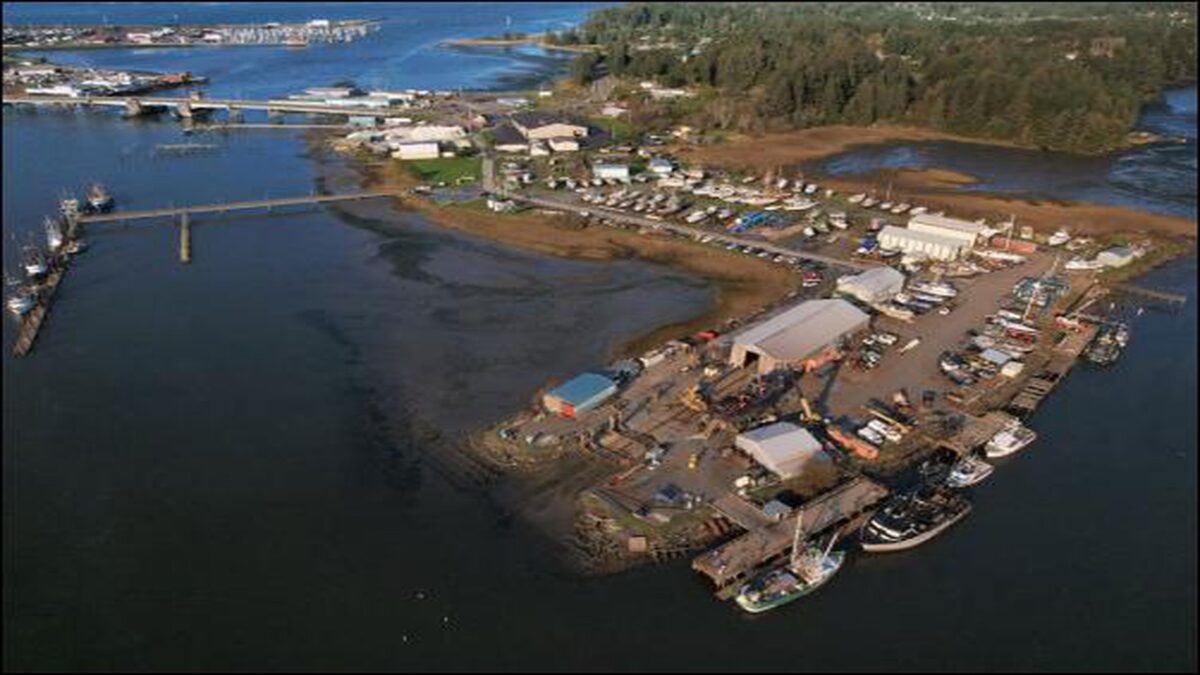
The Oregon International Port of Coos Bay is making significant strides in its ambitious Charleston Shipyard Revitalization Project, a crucial endeavor designed to modernize vital maritime infrastructure on Oregon’s South Coast. This multi-phased initiative, centered around enhancing the shipyard’s capacity and operational efficiency, has received a substantial boost from federal and state support, prominently featuring the tireless advocacy of Congresswoman Val Hoyle. Her dedicated efforts have been instrumental in securing essential funding, paving the way for critical upgrades, most notably the long-awaited replacement of the shipyard’s antiquated marine ways system, a cornerstone of local vessel maintenance and repair services.
This revitalization is far more than a mere infrastructure upgrade; it represents a strategic investment in the economic backbone of the region. The existing marine ways system, a short rail system extending into the water used to haul vessels ashore for essential repairs, has served the community for over four decades. However, its age has led to significant limitations, directly impacting the operational capabilities of the Charleston Shipyard and, by extension, the entire commercial fishing fleet and various maritime businesses that depend on its services. The current project seeks to not only replace this critical system but also to position the shipyard for future growth and enhanced service delivery, securing the longevity of maritime livelihoods in the area.
Catalyzing Critical Maritime Infrastructure Upgrades
The initial and most pressing focus of the Charleston Shipyard Revitalization Project is Phase 1: the complete replacement of the marine ways system. This infrastructure is paramount for the health and safety of vessels, allowing them to be safely lifted from the water for comprehensive inspection, repair, and maintenance tasks that are impossible to perform while afloat. Without a fully functional and reliable marine ways system, the shipyard’s ability to serve the local fleet is severely hampered, leading to delays, increased costs, and potentially forcing vessels to seek services elsewhere, often at greater distances.
For years, the aging system has been a bottleneck, reducing the shipyard’s capacity to handle the volume and size of vessels requiring service. This has had a cascading effect on the region’s commercial fishing fleet, which relies heavily on timely and efficient repairs to keep their operations viable. Moreover, other maritime businesses, from tugboat operators to research vessels, also feel the pinch of limited access to essential dry-docking facilities. The replacement of this critical component is not just an upgrade; it is a restoration of a fundamental service that underpins the entire South Coast maritime economy.
Congresswoman Hoyle’s Pivotal Role in Securing Funding
The momentum behind the Charleston Shipyard Revitalization owes much to the unwavering support of Congresswoman Val Hoyle. Her understanding of the critical role played by the Port of Coos Bay and its associated infrastructure led to a significant breakthrough last year when she successfully secured a $1 million congressional appropriation specifically for Phase 1 of the project. This initial federal support provided a vital foundation, signaling a strong commitment from the federal government to the economic vitality and maritime security of Oregon’s South Coast.
Beyond this foundational funding, Congresswoman Hoyle continues her advocacy, requesting that the project be considered for additional federal funding in the current legislative cycle. This ongoing effort is crucial for advancing Phase 2, which targets the rehabilitation of the shipyard’s work docks. Her proactive stance and dedication underscore the collaborative spirit between federal representatives and local port authorities, working synergistically to bring about tangible improvements for the community. Such federal investment not only provides direct financial assistance but also leverages and enhances state initiatives, such as the Port’s request through Oregon’s Connect Oregon program, creating a robust funding pipeline for these essential maritime infrastructure developments.
Revitalizing the Charleston Shipyard: A Multi-Phased Approach
The comprehensive plan for the Charleston Shipyard Revitalization extends beyond the marine ways, envisioning a complete modernization of the facility. Phase 2, which Congresswoman Hoyle is actively seeking additional federal support for, focuses on the critical rehabilitation of the shipyard’s work docks. These docks are the operational heart of the shipyard, providing berthing space for vessels undergoing repairs and facilitating the movement of materials, equipment, and personnel. Dilapidated or inefficient docks can severely hinder workflow, prolong repair times, and even pose safety risks to workers and vessels alike.
Modernizing these work docks will significantly enhance the overall efficiency and safety of the Charleston Shipyard, ensuring that it can continue to serve as a reliable hub for vessel repair and maintenance for decades to come. The long-term vision is to transform the shipyard into a state-of-the-art facility, capable of supporting a diverse range of maritime activities and attracting new business to the Oregon International Port of Coos Bay. This phased approach ensures that critical elements are addressed systematically, building a resilient and modern maritime infrastructure capable of meeting future demands.
Economic Impact and Community Benefits on Oregon’s South Coast
The economic ramifications of the Charleston Shipyard Revitalization are profound for Oregon’s South Coast. The shipyard is not just a place where boats get fixed; it’s a cornerstone of the regional economy, supporting countless direct and indirect jobs. Lanelle Comstock, CEO of the Port, aptly stated, “The Charleston Shipyard is the only public shipyard on Oregon’s South Coast, and it plays an essential role in supporting the fishing industry and local jobs. This investment is about restoring critical infrastructure that our maritime community depends on.” Her words highlight the direct link between infrastructure investment and sustained economic prosperity.
Kyle Stevens, President of the Port Commission, further emphasized the regional impact: “We’ve seen how hard this region has been hit when core industries lose capacity. The Charleston Shipyard has been part of the backbone of the South Coast for generations – building and servicing vessels…” This project is expected to create new job opportunities during construction and increase the shipyard’s operational capacity, leading to more long-term employment in maintenance, repair, and related maritime services. It bolsters the commercial fishing industry by ensuring reliable local repair options, preventing downtime, and keeping the fleet operational and profitable. This directly translates into stronger local jobs and enhanced regional economic development, underscoring the vital role of modernized port upgrades.
Ensuring Long-Term Maritime Sustainability and Operational Efficiency
The enhancements planned for the Charleston Shipyard are fundamentally about ensuring long-term maritime sustainability and significantly improving operational efficiency. By replacing outdated equipment and rehabilitating essential facilities, the Port is investing in a future where the South Coast maritime sector can thrive without constant struggle against deteriorating infrastructure. Modern marine ways and revitalized work docks mean faster turnaround times for vessels, reduced maintenance costs over time, and a safer working environment for employees. This strategic improvement reduces operational friction and enhances the overall competitive advantage of the shipyard.
Moreover, a modern shipyard capable of efficient repairs contributes to the environmental sustainability of the local fleet. Well-maintained vessels are often more fuel-efficient and less prone to pollution incidents. By extending the lifespan of critical infrastructure, the Port of Coos Bay is also practicing resource efficiency. This holistic approach ensures that the Port of Coos Bay remains a vital, efficient, and environmentally conscious maritime hub, demonstrating a commitment to the long-term health and prosperity of both the regional economy and its unique coastal environment, reinforcing the concept of sustainable maritime practices for the entire maritime community.
In conclusion, the Charleston Shipyard Revitalization Project, propelled by the crucial support of Congresswoman Val Hoyle and the strategic vision of the Oregon International Port of Coos Bay, represents a pivotal moment for Oregon’s South Coast. From the vital replacement of the marine ways system to the planned rehabilitation of its work docks, these phased improvements are not just about rebuilding; they are about fortifying the region’s economic resilience. This investment in modern maritime infrastructure will ensure the sustained viability of the fishing industry, create local jobs, and uphold the Port’s critical role as a regional economic driver for generations to come, securing a sustainable and prosperous future for the maritime community.