Hapag-Lloyd Expands Terminals, Rejects Door-to-Door
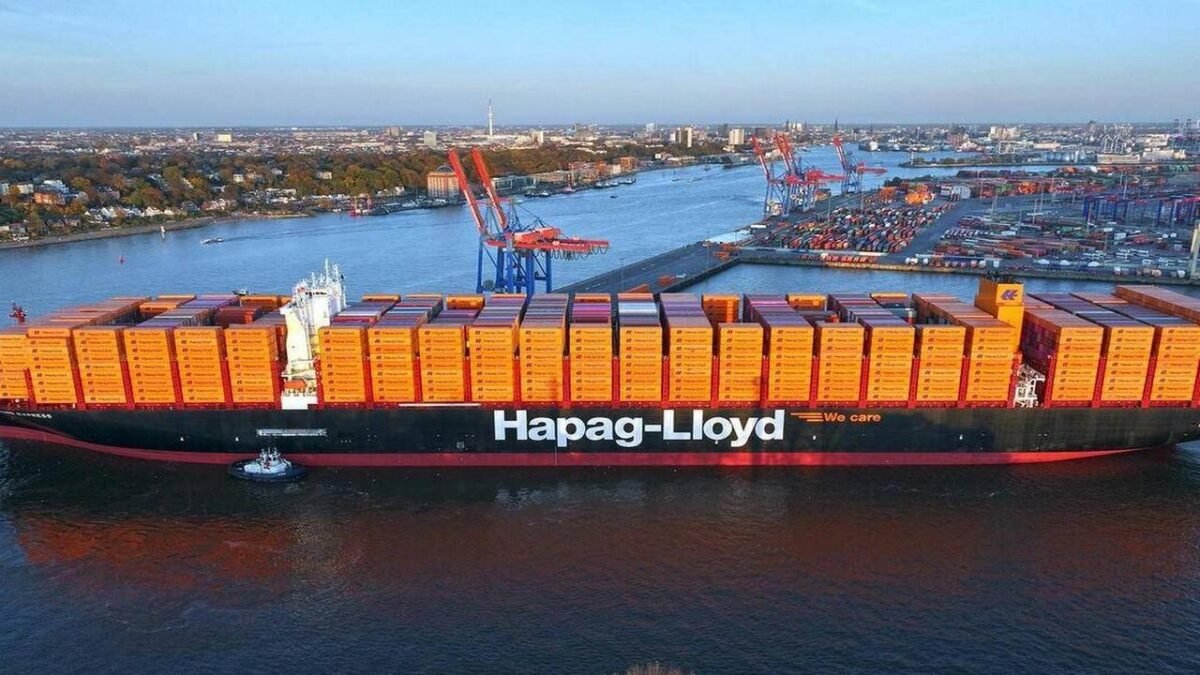
Hapag-Lloyd is significantly expanding its global terminal portfolio, targeting co-ownership in 30 terminals by 2030, while firmly rejecting a strategic pivot towards fully-integrated door-to-door logistics solutions. Speaking during a recent webinar, CEO Rolf Habben Jansen emphasized that Hapag-Lloyd will not compete with Maersk and CMA CGM in developing comprehensive logistics setups.
The Hamburg-based carrier’s commitment to terminal investment signals a distinct strategic direction, prioritizing control over critical port infrastructure. This focus on the port-to-port core business could enhance operational efficiency and schedule reliability, providing a competitive edge in its primary liner services. Increased equity stakes in terminals offer greater influence over berth windows, equipment allocation, and overall terminal fluidity, directly benefiting its container shipping operations.
This strategic choice contrasts sharply with the “integrator” model, where carriers expand into warehousing, inland transport, and last-mile delivery. Hapag-Lloyd’s stance suggests a belief that long-term value and sustainable profitability lie within optimizing the deep-sea and immediate port interface, rather than the more capital-intensive and operationally complex full supply chain ownership.
An analyst noted that terminal rates are showing signs of softening. This market condition could make the current expansion of Hapag-Lloyd’s terminal network a timely and potentially cost-effective move, securing strategic assets under favorable acquisition terms. By investing heavily in terminals now, Hapag-Lloyd may be positioning itself to gain greater operational leverage and resilience against future market fluctuations within its core shipping business.