Record U.S. Diesel Prices Fuel Inflation Fears
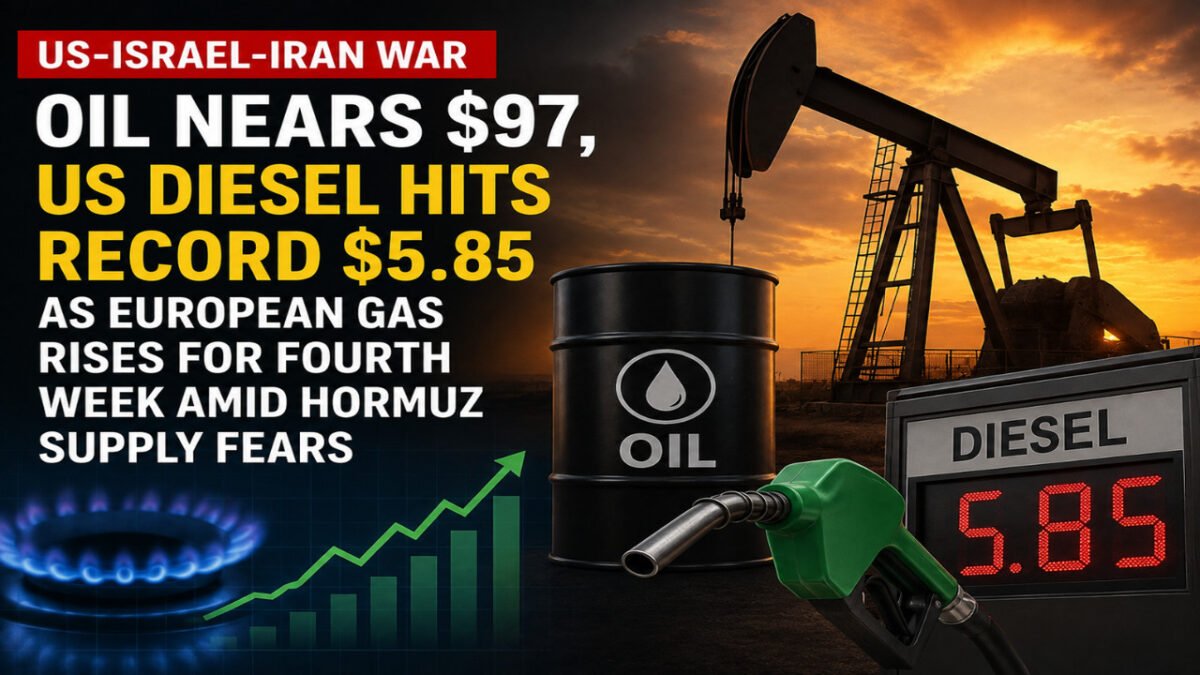
U.S. diesel pump prices reached an all-time high of $5.85 per gallon on Friday, a significant jump from $3.71 a year ago, as reported by the American Automobile Association. This surge in diesel costs is signaling broader inflationary pressures that could impact global supply chains and maritime logistics, despite crude oil’s largely “mood and fear driven” rally.
The record diesel prices are a critical concern because, as Claudio Galimberti, chief economist at Rystad Energy, explained, “All sectors of the economy are affected by diesel.” This pervasive impact is contributing to elevated government bond yields in the United States, reflecting market expectations of continued inflation.
For the shipping industry, higher diesel costs directly translate to increased operational expenditure for vessel bunkering, as well as escalated expenses for landside transportation, including trucking that moves cargo to and from ports. This creates a challenging environment for freight rates and overall supply chain economics.
The situation is expected to intensify in the coming weeks with growing seasonal demand from farmers for the harvest season and retailers gearing up for the holiday period, both of which necessitate a substantial increase in goods hauled by trucks. This anticipated demand surge could further strain diesel supplies and push prices higher.
The rise in diesel prices occurs even as oil itself has maintained a daily downward trajectory, despite ongoing military strikes between the U.S. and Iran. Norbert Rucker, head of economics and next generation research at Julius Baer, noted the irony that “there is no indication that this week’s escalation [of U.S./Iran hostilities] materially impacted expor…” This disconnect suggests that while geopolitical tensions fuel volatility in crude oil futures, the tangible cost of refined products like diesel is driven by more immediate supply-demand fundamentals and inflationary expectations. Iran’s oil minister, Mohsen Paknejad, stated the country is “pursuing various solutions…to completely bypass this blockade,” indicating potential for continued geopolitical influence on energy markets.