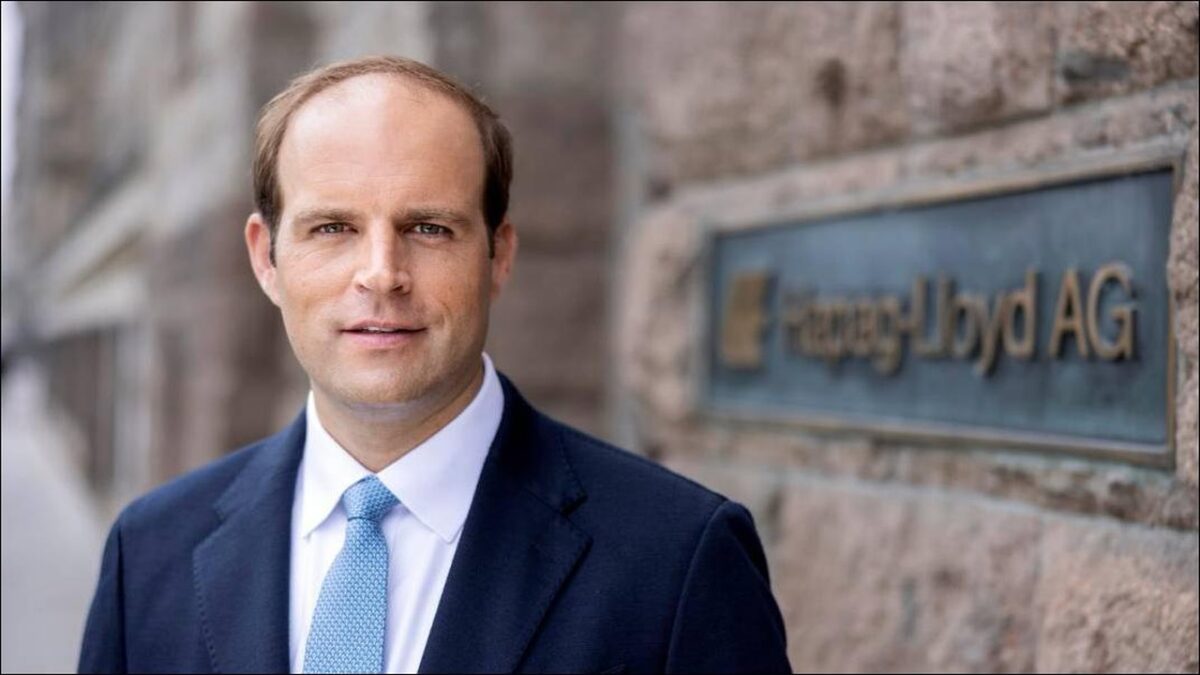
Hapag-Lloyd COO Steps Down in June | Mariner News
The global container shipping industry is once again abuzz with news of significant leadership changes as Hapag-Lloyd’s COO will step down in June. This development marks a pivotal moment for one of the world’s leading ocean carriers, signaling a new phase in its operational management. The departure of a Chief Operating Officer from a company of Hapag-Lloyd’s stature is always closely watched by industry analysts, stakeholders, and competitors alike, as it can influence strategic direction and operational efficiency in the complex world of global freight logistics. This executive transition comes at a time when the maritime industry continues to navigate fluctuating market conditions, technological advancements, and increasing demands for sustainability. The outgoing COO’s tenure has undoubtedly been instrumental in shaping Hapag-Lloyd’s operational footprint and contributing to its recent successes amidst unprecedented supply chain challenges.
The Executive Transition at Hapag-Lloyd: A New Chapter
Hapag-Lloyd AG, a titan in container shipping, announced the departure of its Chief Operating Officer, a move that will take effect in June. This leadership change prompts reflection on the critical role a COO plays within such a vast and intricate global enterprise. The Chief Operating Officer is responsible for overseeing the day-to-day administrative and operational functions of a business, ensuring that operations are efficient and effective in achieving the company’s strategic goals. For a global carrier like Hapag-Lloyd, this involves managing an extensive fleet of container vessels, coordinating complex port calls, optimizing logistics networks, and maintaining high service levels across diverse international routes.
The outgoing executive has played a significant role in guiding Hapag-Lloyd’s operational strategy through a period of immense change and disruption. Their contributions to enhancing the company’s operational resilience and efficiency, particularly during the peak of global supply chain pressures, are noteworthy. While specific reasons for the departure are often personal or strategic, such transitions are a natural part of corporate evolution, allowing for fresh perspectives and new leadership styles to emerge. The announcement has naturally sparked discussions within the maritime community about potential successors and the future operational direction of the German shipping giant.
Hapag-Lloyd’s Strategic Landscape and Operational Excellence
Hapag-Lloyd stands as a formidable force in the global container shipping market, recognized for its commitment to operational excellence and strategic foresight. The company’s operational achievements are a direct reflection of its robust internal structures and effective leadership. In recent years, Hapag-Lloyd has demonstrated remarkable adaptability in the face of unprecedented challenges, from pandemic-induced port congestion and volatile freight rates to geopolitical tensions impacting global trade routes. The COO’s office has been central to navigating these turbulent waters, ensuring the continuous flow of goods and maintaining the integrity of global supply chains.
Under its current leadership, Hapag-Lloyd has also been a proactive proponent of digitalization and technological innovation in the maritime industry. Investments in advanced fleet management systems, real-time tracking capabilities, and digital customer interfaces have significantly enhanced its operational efficiency and customer experience. These technological adoptions are crucial for a company managing millions of TEU (Twenty-foot Equivalent Units) annually, requiring precision and foresight in logistics planning. The focus on leveraging data and automation has allowed Hapag-Lloyd to optimize vessel utilization, reduce transit times, and offer more reliable services to its diverse client base worldwide.
Impact on Container Shipping and Global Logistics
The departure of a senior executive from a major player like Hapag-Lloyd inevitably draws attention to the broader dynamics within the container shipping sector. Leadership changes can signal shifts in company strategy, particularly concerning operational priorities, network expansion, or investment in new technologies. As Hapag-Lloyd is a key member of global shipping alliances and a significant influencer in freight logistics, any internal shifts could have ripple effects across the industry. Competitors will be observing closely for any indications of strategic adjustments or changes in market approach.
Currently, the container shipping industry faces a multifaceted environment characterized by normalizing freight rates, continued inflationary pressures, and persistent geopolitical uncertainties. Companies are also grappling with stringent environmental regulations and the imperative to decarbonize their operations. A new COO will inherit these challenges and opportunities, tasked with steering Hapag-Lloyd’s vast operational machinery to maintain its competitive edge and achieve its ambitious sustainability goals. The ability to adapt quickly to these evolving market conditions will be paramount for the incoming leadership, ensuring Hapag-Lloyd’s continued success in global trade.
The Search for a Successor and Future Outlook
The process of identifying and appointing a new Chief Operating Officer for Hapag-Lloyd will be a critical exercise for the company’s executive board. The ideal candidate will likely possess a deep understanding of the maritime industry, extensive experience in global logistics and supply chain management, and proven leadership capabilities in large-scale operational environments. They will need to demonstrate a strategic vision aligned with Hapag-Lloyd’s long-term objectives, including its ambitious sustainability agenda and ongoing digitalization efforts. The search could involve both internal promotions and external recruitment, aiming to secure the best talent to drive the company forward.
Looking ahead, Hapag-Lloyd remains committed to its strategy of quality growth and operational excellence. The company’s recent investments in new, more fuel-efficient vessels, its exploration of alternative fuels, and its continuous optimization of its global service network underscore this commitment. The new COO will play a pivotal role in executing these strategies, ensuring that Hapag-Lloyd not only maintains its position as a leading global carrier but also pioneers innovations that shape the future of container shipping. The focus will undoubtedly be on enhancing efficiency, strengthening customer relationships, and contributing to a more sustainable maritime ecosystem.
Navigating Industry Headwinds: Hapag-Lloyd’s Operational Strategy
Hapag-Lloyd’s operational strategy is designed to master the complexities of global shipping, ensuring resilience and reliability for its customers. This involves meticulous planning across numerous dimensions: capacity management, route optimization, terminal operations, and equipment utilization. The company employs sophisticated forecasting models to predict demand and allocate vessel space efficiently, minimizing delays and optimizing sailing schedules. The coordination required to manage thousands of container movements daily, across continents and through diverse regulatory environments, is a testament to its robust operational framework.
Furthermore, Hapag-Lloyd has been at the forefront of adopting advanced technologies to streamline its operations. This includes implementing artificial intelligence for route planning, leveraging the Internet of Things (IoT) for real-time cargo tracking, and utilizing big data analytics to identify operational bottlenecks and improve efficiency. These technological enhancements not only boost productivity but also provide customers with greater transparency and control over their shipments. The incoming COO will be tasked with building upon this foundation, exploring new frontiers in operational technology and process innovation to further cement Hapag-Lloyd’s leadership in the intensely competitive container shipping market. The continuous drive for operational improvements is non-negotiable in an industry where margins can be tight and customer expectations are consistently high.
Long-Term Vision and Sustainable Shipping
Beyond day-to-day operations, Hapag-Lloyd is deeply invested in a long-term vision that places sustainability at its core. The company has publicly committed to significant decarbonization targets, aligning with global efforts to reduce the environmental footprint of the shipping industry. This involves exploring and investing in cleaner marine fuels, such as LNG (Liquefied Natural Gas) and potentially ammonia or methanol in the future, as well as optimizing vessel designs and operational practices to reduce fuel consumption and emissions. The company’s commitment extends to responsible waste management, port engagement, and fostering an environmentally conscious supply chain.
The new COO will be instrumental in driving these sustainability initiatives forward, integrating environmental considerations into every facet of Hapag-Lloyd’s operational strategy. This will involve significant capital expenditure on green technologies, collaborating with industry partners on innovative solutions, and ensuring compliance with evolving environmental regulations worldwide. The challenge lies in balancing economic viability with ecological responsibility, a task that requires strategic leadership and a deep understanding of future energy landscapes. Hapag-Lloyd aims not just to meet industry standards but to set new benchmarks for sustainable container shipping, solidifying its role as a responsible global citizen in the maritime sector.
The departure of Hapag-Lloyd’s COO in June marks a significant moment for the company as it looks to its next phase of growth and operational evolution. While executive changes can bring a period of adjustment, they also present opportunities for renewed strategic focus and the infusion of new ideas. Hapag-Lloyd’s established position in the container shipping industry, coupled with its ongoing commitment to operational excellence, digitalization, and sustainability, suggests a strong foundation for future success. The global maritime community will keenly observe the transition, anticipating the new leadership’s contributions to navigating the complexities and opportunities within the ever-evolving world of global logistics and container transport.