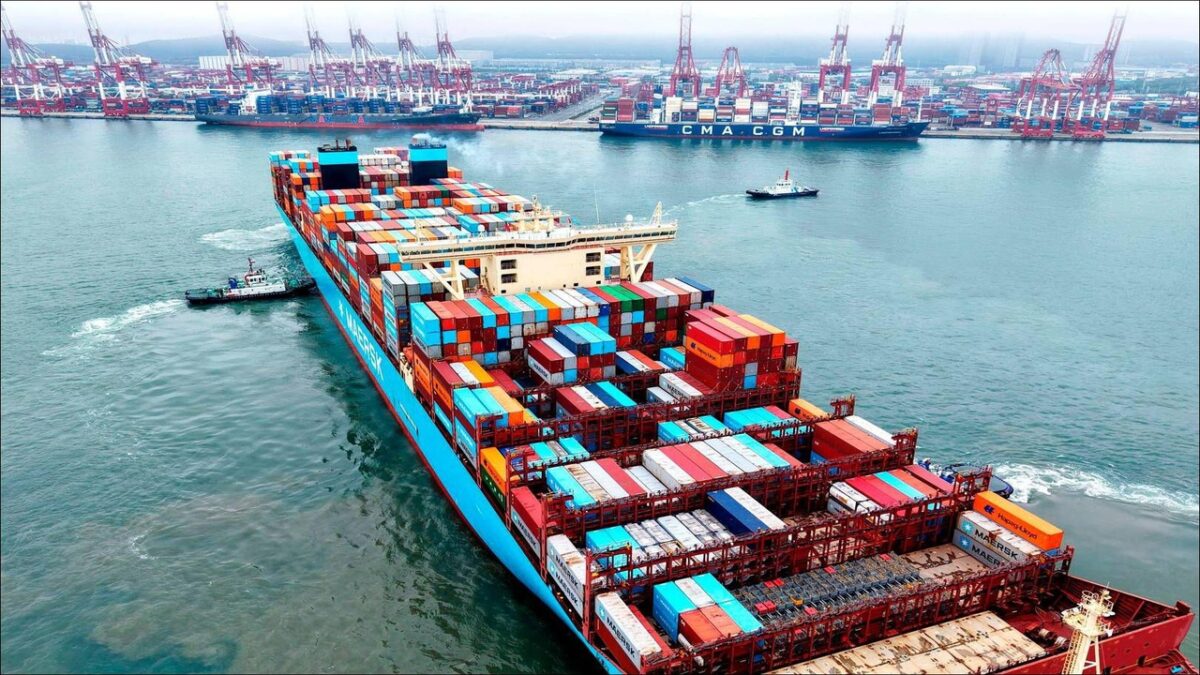
Freight Rate Spikes Trap Shippers in Spot Market | Mariner News
The global shipping industry is once again facing significant upheaval as a new wave of freight rate spikes threatens to ensnare businesses in the spot market. For many shippers, this resurgence of volatile shipping rates presents a formidable challenge, leading to unpredictable costs and logistical hurdles. This period of heightened market uncertainty, marked by rapid increases in ocean freight pricing, highlights the critical need for companies to re-evaluate their logistics strategies and build greater resilience. Understanding the multifaceted factors driving these spikes and their profound impact on cargo transportation is essential for navigating today’s dynamic maritime trade environment.
Understanding the Volatile Spot Market
The spot market in shipping allows for the immediate purchase of freight capacity for single voyages or short durations, contrasting with long-term contracts. Historically, it offers flexibility and can provide lower shipping rates when capacity is ample. However, its inherent nature renders it highly susceptible to rapid fluctuations driven by supply and demand imbalances, geopolitical events, and unexpected disruptions. In stable periods, the spot market serves as a valuable tool for shippers needing to move opportunistic or urgent cargo. Yet, when external factors constrict available capacity or surge demand, spot rates can skyrocket with minimal warning, transforming a perceived advantage into a significant financial burden for shippers.
This current scenario perfectly illustrates these inherent risks. Businesses that predominantly opted for the flexibility of spot market rates, perhaps anticipating continued market softening, now find themselves exposed to dramatic price surges. The appeal of immediate access to shipping services without the commitment of long-term agreements diminishes rapidly when freight prices escalate. This dynamic highlights a fundamental tension in maritime logistics: the ongoing trade-off between operational flexibility and price stability. Companies operating with lean inventories or just-in-time models are particularly vulnerable to these swift shifts, as securing timely vessel space at reasonable shipping costs becomes an arduous daily task.
The Anatomy of Recent Rate Spikes
Several converging factors are propelling the current freight rate spikes, making this latest wave particularly impactful on the global shipping industry. These increases are a complex interplay of geopolitical tensions affecting crucial trade routes, persistent port congestion at major maritime hubs, and a renewed surge in consumer demand across various markets. For example, recent disruptions in vital waterways necessitate longer rerouting, significantly increasing transit times and fuel consumption. This not only inflates operational costs but also effectively reduces overall vessel capacity, pushing ocean shipping rates upwards. Similarly, ongoing congestion at destination ports ties up valuable container vessels and equipment, creating artificial shortages and further exacerbating the supply-demand imbalance in cargo transportation.
Another significant contributor is the strategic management of shipping capacity by major container carriers. Practices such as blank sailings—where scheduled vessel calls are intentionally skipped—can effectively tighten available freight space, empowering carriers to command higher spot market prices. While often justified as necessary for operational efficiency or demand alignment, their cumulative effect can profoundly impact freight pricing and shipping schedules. Additionally, a critical shortage of essential equipment, like shipping containers, in key export regions exacerbates the issue, driving up leasing costs and consequently the overall cost of shipping for shippers.
The Shipper’s Dilemma: Trapped and Exposed
The term ‘trapped’ accurately describes the challenging predicament many shippers face today. Businesses heavily reliant on the spot market for their shipping needs, often due to their size, unpredictable cargo volumes, or a desire to avoid long-term commitments, are now at the mercy of rapidly escalating freight rates. When spot prices surge, these shippers have extremely limited options. Unlike those with long-term contracts benefiting from locked-in shipping costs, spot market participants must either absorb the inflated transportation expenses, pass them onto consumers, or risk severe delays and disruptions within their supply chain operations. This creates intense pressure on profit margins and can significantly undermine their competitive standing in the market.
The impact extends far beyond immediate financial strain. Uncertainty surrounding shipping costs and delivery times can severely disrupt production schedules, complicate inventory management, and ultimately degrade customer satisfaction. Consider a manufacturer whose critical components are delayed in transit or burdened by exorbitant ocean freight charges; production lines may halt, order fulfillment suffers, and brand reputation can be significantly damaged. Small and medium-sized enterprises (SMEs) are particularly vulnerable in these scenarios, as they frequently lack the significant bargaining power or extensive resources of larger corporations to secure favorable shipping rates or manage complex logistics solutions during crises. This disparity amplifies the feeling of exposure and helplessness among shippers.
Navigating Volatility: Strategies for Shipper Resilience
To effectively navigate the unpredictable shipping spot market rates and avoid being trapped, shippers must implement dynamic and resilient strategies. A critical first step is to diversify freight procurement. Instead of an exclusive reliance on the spot market, businesses should cultivate a balanced portfolio that includes long-term contracts for predictable cargo volumes, complemented by judicious spot market access for unexpected surges or specialized shipping needs. This hybrid approach provides a vital buffer against extreme rate spikes while retaining necessary flexibility. Proactively engaging with reputable shipping lines or established freight forwarders for contract negotiations can secure more stable freight pricing and guaranteed capacity.
Embracing digital transformation and leveraging advanced data analytics are also powerful tools. Modern software platforms can track shipping trends, analyze real-time market data, and forecast demand with greater accuracy. This empowers logistics professionals to make informed decisions about when to commit to long-term rates versus when to strategically utilize the spot market. Predictive analytics can additionally help identify potential bottlenecks or disruptions early, enabling proactive rerouting or inventory adjustments, thereby significantly mitigating the impact of future supply chain shocks. Enhanced visibility across the entire logistics network, from origin to final destination, becomes achievable through integrated technological solutions.
Furthermore, building robust, multi-faceted relationships with a diverse array of logistics partners—including various ocean carriers, freight forwarders, and land-side transportation providers—can significantly enhance operational flexibility and reduce single-point-of-failure risks. Exploring alternative shipping methods or trade lanes, where operationally viable, provides crucial contingency options. For some enterprises, strategies like nearshoring or reshoring production facilities closer to their end markets can substantially reduce their dependence on long-haul ocean freight and its inherent volatility. While these represent significant strategic shifts, the current volatile environment strongly underscores their potential long-term benefits in achieving superior supply chain resilience and greater cost predictability for shippers.
The current wave of freight rate spikes serves as a powerful reminder that volatility is an intrinsic feature of the global shipping industry. The future of maritime logistics demands a continuous, adaptive interplay of strategy and technology. For shippers, successful navigation means moving beyond reactive measures to proactive, resilient supply chain management. Prioritizing comprehensive supply chain visibility, embracing digital tools, diversifying transportation strategies, and fostering stronger collaborations with logistics partners are no longer optional. These actions are crucial to ensuring the smooth flow of cargo, sustained business continuity, and ultimately, thriving in an inherently unpredictable global freight market.