Bulk Carriers Lead Shift to Wind Propulsion, DNV Cites Viability Factors | Mariner News
Bulk carriers are emerging as the leading segment in the shipping industry’s transition towards wind propulsion, driven by verifiable reductions in fuel consumption and CO2 emissions. While the technology offers clear environmental and economic benefits, DNV data indicates that the ultimate payoff is substantially influenced by a ship’s design and operational speed.
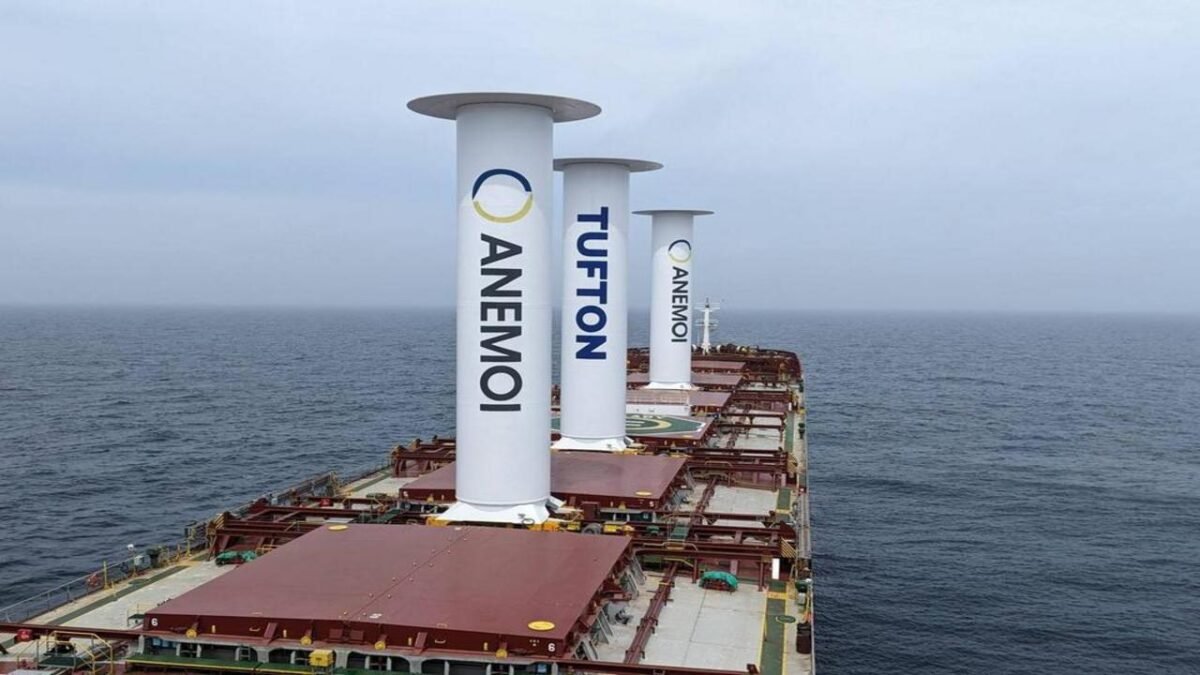
A key example is the dry bulk ship TR Lady, which employs three rotor sails manufactured by Anemoi Marine Technologies. Tests on the vessel have demonstrated an average daily fuel saving of 1.9 metric tons and a CO2 reduction of seven metric tons per day.
This segment-specific leadership suggests that while rising fuel prices generally spur interest in wind propulsion, the economic viability is not universal. The DNV assessment underscores a selective application, implying that bulk carriers, potentially due to their typical operational profiles, speeds, or hull forms, are proving to be a more suitable platform for current wind-assist technologies compared to other vessel types. This specific fit might explain why some shipowners across other sectors, like Wallenius Wilhelmsen for car carriers, express challenges in adopting wind power, noting, “We are not a sailboat.”
Despite the clear benefits for specific vessel types, the broader uptake of green technologies faces headwinds. DNV previously revised its outlook, indicating “no tailwind” for the wider adoption of such innovations. This suggests that while the technology demonstrates success for suitable vessel types like bulkers, wider market barriers or complexities persist, holding back a more widespread embrace of orders across the industry.