WinGD Warns NZF Delay Risks New Fossil Ship Generation | Mariner News
Engine manufacturer WinGD has cautioned that ongoing delays to the International Maritime Organization’s (IMO) Net-Zero Framework (NZF) risk entrenching another generation of fossil-fuelled vessels into the global fleet. This development, according to WinGD, threatens to significantly increase the overall cost of shipping’s decarbonisation efforts.
WinGD CEO Dominik Schneiter stated in a LinkedIn post today that the adjourned NZF vote in 2025 means a wave of conventionally powered ships will enter service around 2028, the framework’s original implementation target. He warned that further regulatory delays would necessitate more aggressive emissions reductions from both existing vessels and newbuilds to meet future climate targets.
Schneiter highlighted that despite the industry’s stated climate ambitions, most new ship orders continue to favour conventional fuel oil or LNG, often in near-record numbers. This trend, he explained, demonstrates how regulatory uncertainty prompts shipowners to rationally maintain the status quo in their investment decisions.
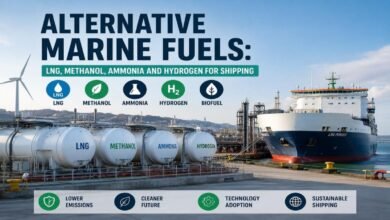
WinGD is therefore urging for clear guidelines on how various alternative fuels will be treated under future carbon pricing mechanisms. Schneiter emphasized that current engine designs are already capable of utilising renewable versions of fuels such as diesel, methane, ammonia, methanol, ethanol, and LPG. However, the critical missing piece for unlocking investment from both shipowners and fuel producers is specific clarity on how these fuels will be valued under carbon pricing.