Shanghai-Melbourne Green Shipping Corridor Enters Implementation Phase | Mariner News
The Shanghai-Melbourne Green Shipping Corridor has advanced into its implementation phase, initiating concrete steps to reduce maritime emissions through cleaner fuels and optimized port operations. This marks a critical transition from planning to active execution for a key Asia-Pacific trade route.
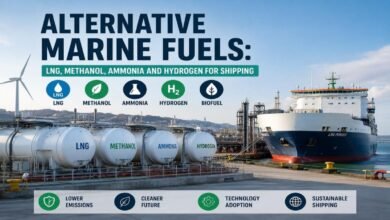
Working with C40 Cities, the ports are prioritizing the advancement of green methanol and biofuel bunkering capabilities, expanding shore power infrastructure, and facilitating the deployment of low-carbon vessels. These efforts are central to achieving the corridor’s ambitious emissions reduction goals.
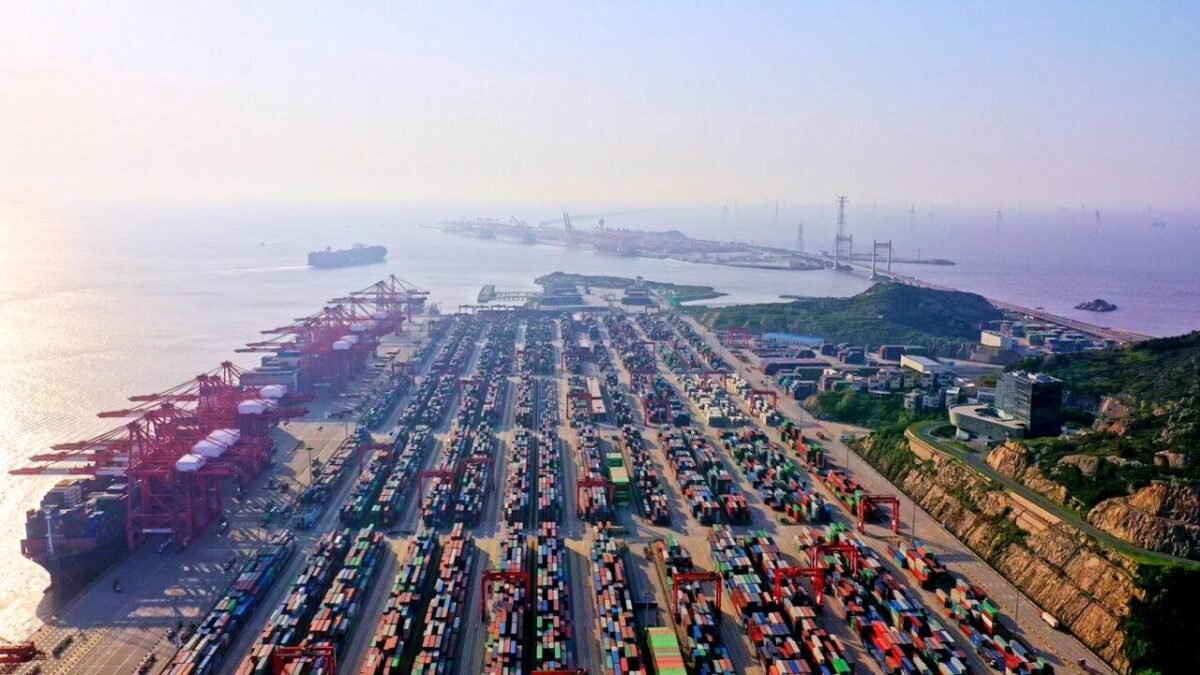
Shanghai has set a target of one million metric tonnes in annual bunkering capacity for green methanol and biofuels, indicating significant upcoming investment in fuel supply and delivery infrastructure. Melbourne, Australia’s largest container port, will undertake feasibility studies for green fuel bunkering and shore power, aligning with its own 2030 net-zero operational target.
Beyond port infrastructure, the initiative involves shipping lines and fuel suppliers to develop robust low-carbon fuel supply chains. Partners will also explore digital systems to enhance voyage efficiency and improve emissions tracking. Key industry stakeholders collaborating on this effort include Shanghai International Port Group, COSCO Shipping Lines, HAMR Energy, ABEL Energy, and Shenergy.
This progression, following the corridor’s announcement in October 2025 and coinciding with the 20th anniversary of the Shanghai-Melbourne sister-port partnership, underscores a deepening commitment to decarbonizing a vital shipping lane. The active involvement of a major container carrier like COSCO Shipping Lines suggests a significant pathway for early green vessel adoption on this strategic route.