WinGD Variable Compression Technology Wins BV Approval
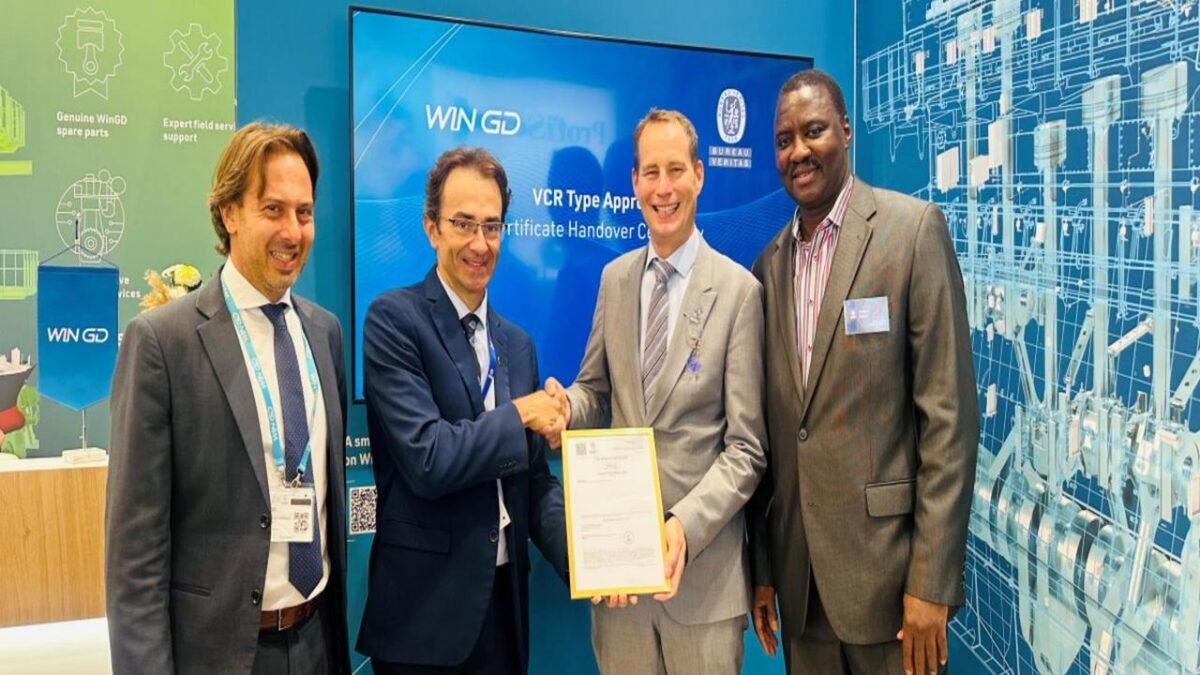
Bureau Veritas (BV) has granted type approval to WinGD’s variable compression ratio (VCR) technology, a development that provides a mechanism to optimize dual-fuel engine performance across shifting fuel grades and engine loads. The system functions by adjusting the piston position during operation to alter combustion chamber volume, a departure from the industry-standard fixed compression ratio.
Technical Significance
Traditional marine engine design requires a fixed compression ratio that represents a compromise between maximum load efficiency and the lower-load scenarios often required for slow steaming or maneuvering. By enabling real-time adjustment of the compression ratio, the VCR system allows for higher thermal efficiency when operating on different fuel types, which historically have required varying compression characteristics for optimal combustion.
Operational and Commercial Implications
Beyond immediate fuel savings, the ability to maintain higher efficiency at part load has significant implications for vessels managing volatile fuel prices and extended slow-steaming voyages. Since the technology does not increase the engine’s physical footprint, it avoids the costly structural modifications often associated with engine room retrofits. This suggests a pathway for owners to improve the EEDI or EEXI ratings of existing tonnage without the spatial constraints that typically disqualify older vessels from advanced propulsion upgrades.
By decoupling compression optimization from the original design parameters of the engine, this technology shifts the focus of fuel efficiency from static design specifications to dynamic, load-dependent management. This provides operators with a more flexible toolset to manage the shifting emissions profile of dual-fuel fleets as they transition between various marine fuels.