Canada Considers a Subsea Power Cable to Europe
Canada is evaluating the feasibility of a transatlantic subsea power cable designed to export renewable energy from North America to Northern Europe. The proposal, which follows discussions on traditional energy exports like LNG, seeks to leverage the massive hydrokinetic and wind energy potential in Canada’s northern regions.
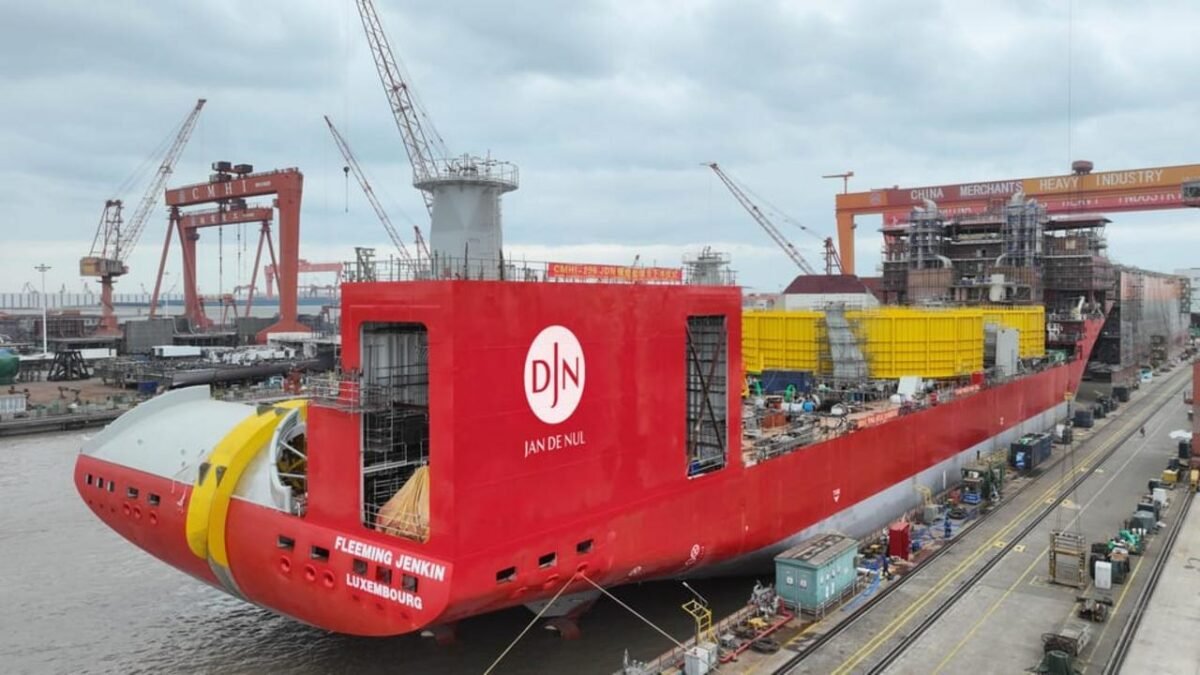
Jan de Nul has already completed a study on the proposed NATO-L transatlantic power cable project. The study assesses the logistical requirements for such an installation, focusing on the deployment of specialized high-voltage cable-laying vessels such as the Fleeming Jenkin.
The initiative targets energy corridors between Canada’s eastern coastline—specifically the high-tide zones of the Bay of Fundy and wind-rich areas around Hudson and Ungava Bays—and European power grids. For Europe, the project aims to mitigate risks associated with heat-wave-driven surges in electricity demand that have frequently outpaced local generating capacity in recent years.
The project represents a significant shift in subsea cable deployment, moving from traditional point-to-point telecommunications or offshore-to-shore wind farm connections to a long-distance, intercontinental grid-scale utility. A successful implementation would require a vessel fleet capable of handling the extreme depths and immense cable-spooling requirements of a trans-Atlantic route.
While the project remains in the early conceptual phase, the involvement of major cable-laying contractors suggests a focus on the practical engineering constraints of installing high-voltage direct current infrastructure across the North Atlantic. The reliance on Canada’s vast northern renewable resources indicates a strategic pivot toward using maritime infrastructure to integrate geographically distant energy markets.