US Set to Seize $600M Iranian Crude from Three Tankers | Mariner News
Speculation is mounting that the United States is poised to seize nearly $600 million worth of Iranian crude oil from three VLCCs currently en route to the US. This development signals a significant escalation in Washington’s economic blockade against Iran, moving beyond at-sea interdiction to the physical appropriation of sanctioned cargo within US jurisdiction.
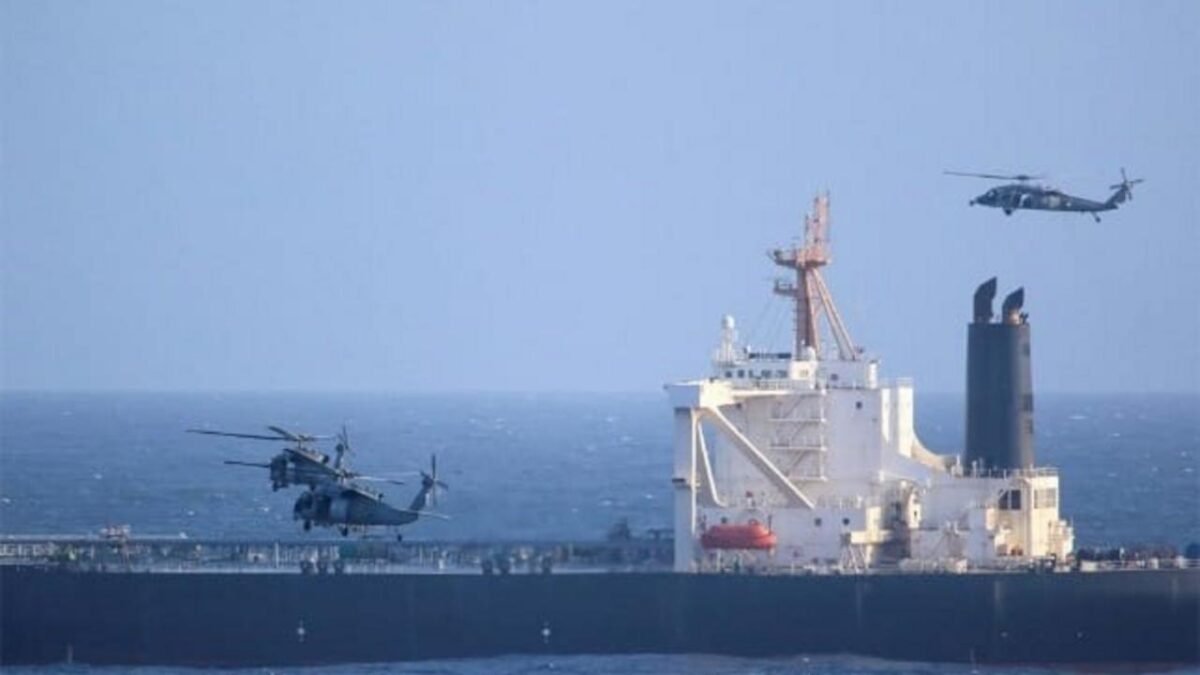
TankerTrackers.com initially reported the trans-Atlantic movement of nearly six million barrels of seized Iranian crude. Subsequent data from Kpler and other sources have identified two of the vessels as the VLCC Tifani (IMO 9273337), a 300,000 dwt tanker falsely claiming Botswana registry, and the VLCC Majestic X (IMO 9198317), a 281,500 dwt tanker falsely claiming Guyanese registry. Both were stopped in April in the Indian Ocean, reportedly laden with Iranian crude, likely destined for China, having made it out of the Persian Gulf before the blockade was imposed that same month.
The third tanker has been identified as Davina (300,976 dwt), also listed in some databases as Lenore.
This concerted action, with the vessels now sailing north along the coast of Brazil towards the United States, sets a new precedent for the enforcement of US sanctions. The Pentagon previously asserted the vessels were stopped under the right of visit, inspecting sanctioned stateless vessels. Following inspections by the Department of Homeland Security (DHS), reports indicated that the US would seek formal seizure orders.
While the US has a history of pursuing forfeiture complaints against sanctioned cargo, the physical movement of multiple VLCCs across the Atlantic for seizure represents a complex operational and legal undertaking. This demonstrates a heightened capability and willingness by US authorities to not only halt illicit shipments but to fully appropriate the assets and their valuable cargo. The move also aligns with previous hints from the Trump administration regarding steps to punish Iran through economic pressure, confirming a more aggressive posture in sanctions enforcement.
The potential for such extensive asset seizures significantly elevates the risk profile for any entities involved in facilitating sanctioned Iranian crude trade. It underlines the vulnerability of vessels operating under false registries, increasing scrutiny on such deceptive practices and potentially impacting the willingness of tanker owners and operators to engage in high-risk voyages, even with substantial illicit premiums. The ultimate forfeiture would mark a substantial financial blow to Iran’s oil revenue streams and a clear message to the clandestine shipping networks that support them.