Trump claims US Navy blockade of Strait of Hormuz

President Trump asserts total control over the Strait of Hormuz, claiming a naval blockade that could redefine risk for tanker operators.
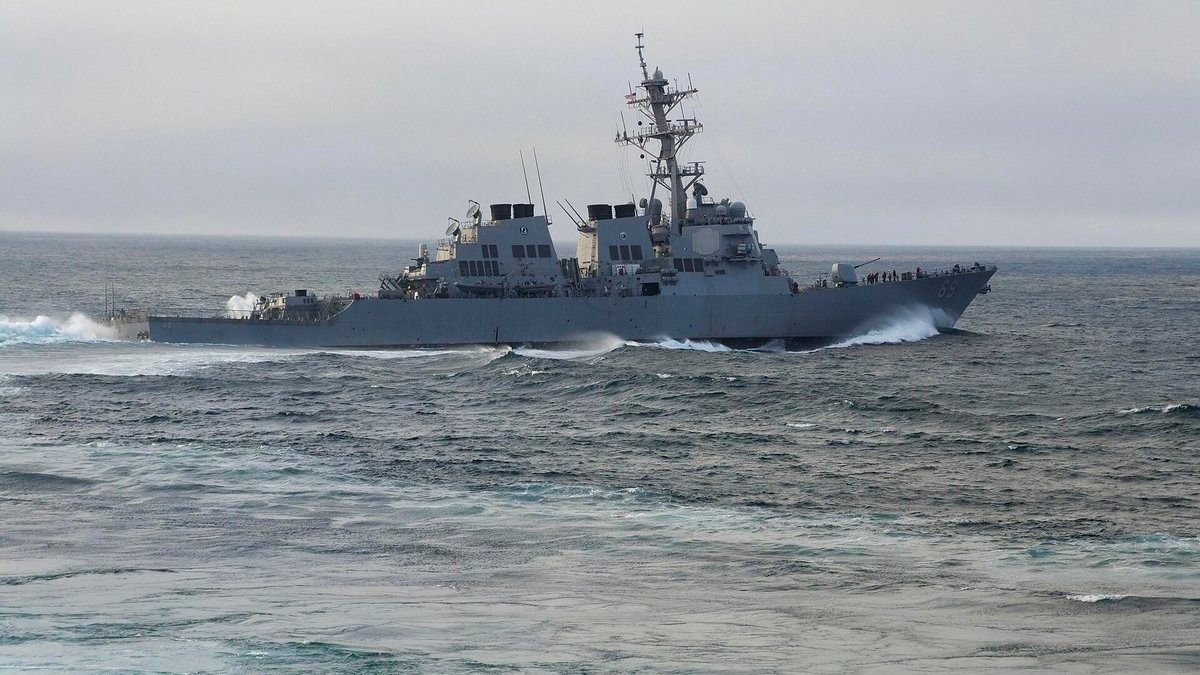
President Donald Trump’s claim that the US Navy has established a blockade in the Strait of Hormuz signals a potential shift in enforcement at the world’s most critical oil chokepoint. This assertion of “total control” forces shipowners and charterers to weigh White House rhetoric against Iranian threats to attack vessels that ignore Tehran’s transit protocols.
Speaking at a press conference in Washington D.C., Trump stated that the US Navy has established a blockade and recently “took out record amounts of oil” from the waterway. He reiterated that the United States would never allow Iran to develop a nuclear weapon or a “dirty bomb,” citing rumors of such developments. Trump issued these claims as Iranian authorities continue to insist that all vessels follow their prescribed protocols or risk coming under attack.
The President also linked domestic gasoline prices to the outcome of negotiations with Tehran. He claimed Iran wants a deal but has not yet accepted terms satisfactory to his administration, describing previous agreements as “fake” and alleging that Iranian officials have been deceptive for 51 years.
Why it matters
The claim of a blockade suggests a more aggressive US posture involving the physical interception of tankers. For owners and charterers, this raises the risk of vessels becoming caught in a jurisdictional tug-of-war. If the US Navy is actively “taking out” oil, as Trump claims, the threat of Iranian retaliation against commercial shipping in the region increases.
Operational safety now depends on which authority a Master chooses to recognize. Iranian authorities continue to demand that all vessels follow their prescribed protocols or risk attack. Trump’s claim of “total control” contradicts these Iranian demands, creating a high-stakes environment where following one power’s instructions could lead to a confrontation with the other.
Linking gasoline prices to Iran negotiations signals that the Strait of Hormuz remains the primary economic lever for the administration. This points to continued volatility for the tanker segment, as political developments in Washington will likely dictate the flow of crude and the cost of war-risk insurance for any transit through the region.
What to watch
Evidence of actual naval boardings or diversions to support the claim that the US Navy is removing “record amounts” of oil from the Strait.