ClassNK Endorses Tanker Boiler Guide to Tackle Untapped Fuel Waste

Tanker owners can now cut fuel costs in cargo operations that are currently ignored by IMO CII ratings following a new ClassNK endorsement.
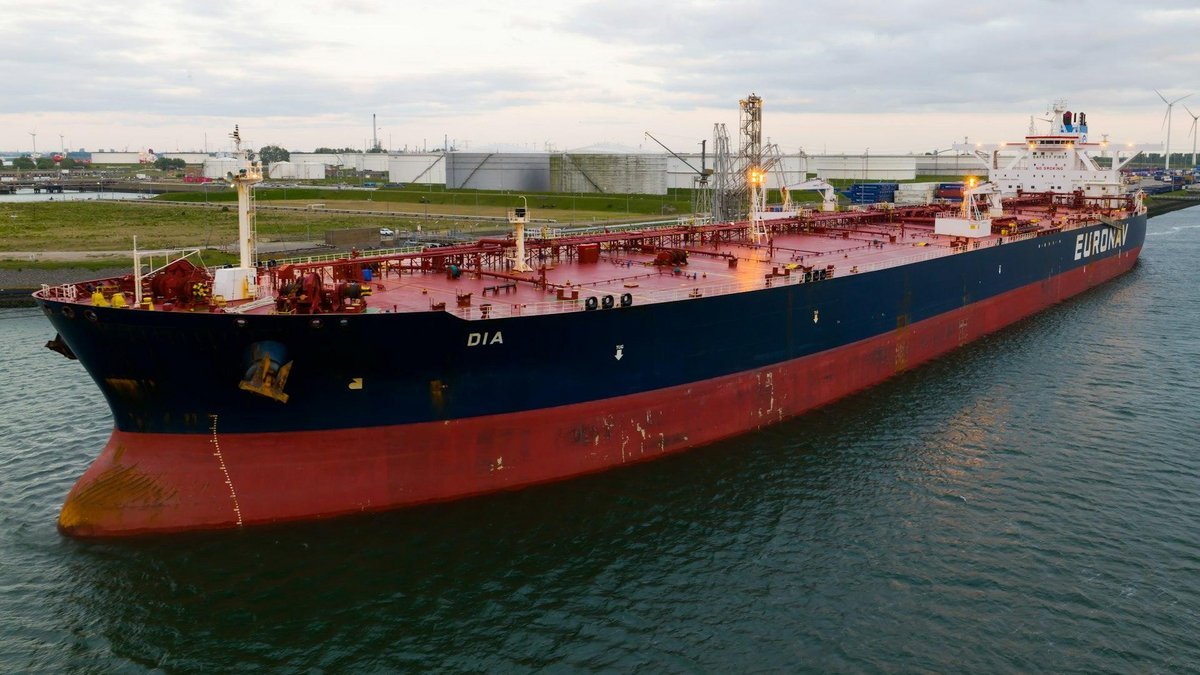
ClassNK has endorsed a new operational guideline for tanker boilers and steam systems, targeting a massive source of fuel waste that shipowners have largely ignored because it falls outside of official carbon intensity ratings.
The classification society granted its Innovation Endorsement to the ‘Energy Efficiency in Boiler, Steam Systems and Cargo Operations on Oil Tankers’ guide, developed by the Samundra Institute of Maritime Studies (SIMS). The publication provides practical protocols for cargo heating, steam-driven discharge, and pump operations to reduce fuel consumption and emissions.
Current International Maritime Organization (IMO) rules allow tankers to deduct fuel used for cargo heating and discharge from their Carbon Intensity Indicator (CII) calculations. Because these operations do not impact a vessel’s regulatory rating, SIMS reports that the potential for efficiency gains in these systems has remained largely untapped.
Why it matters
The exclusion of cargo-related fuel burn from CII creates a disconnect between regulatory compliance and operational reality. Tanker owners can maintain a high CII rating while still wasting substantial amounts of fuel during heating and discharge. This guideline gives owners a framework to reclaim those lost costs, even if the savings do not improve the ship’s official grade.
For charterers, these efficiencies represent a direct reduction in voyage expenses. As cargo owners face increasing pressure to report and reduce emissions across their supply chains, they will likely look toward these ClassNK-endorsed standards when selecting tonnage, regardless of the vessel’s CII category.
The move shifts the focus back to the engine room and deck operations. By optimizing hotwell temperatures and pump strategies, crews can cut the total bunker bill. This makes the SIMS guideline a tool for commercial competitiveness rather than just a regulatory requirement.