Tanker Fire Near Khasab Escalates Strait of Hormuz Transit Risks

A tanker fire near Khasab following a projectile strike or mine hit heightens security risks in the strategic Strait of Hormuz.
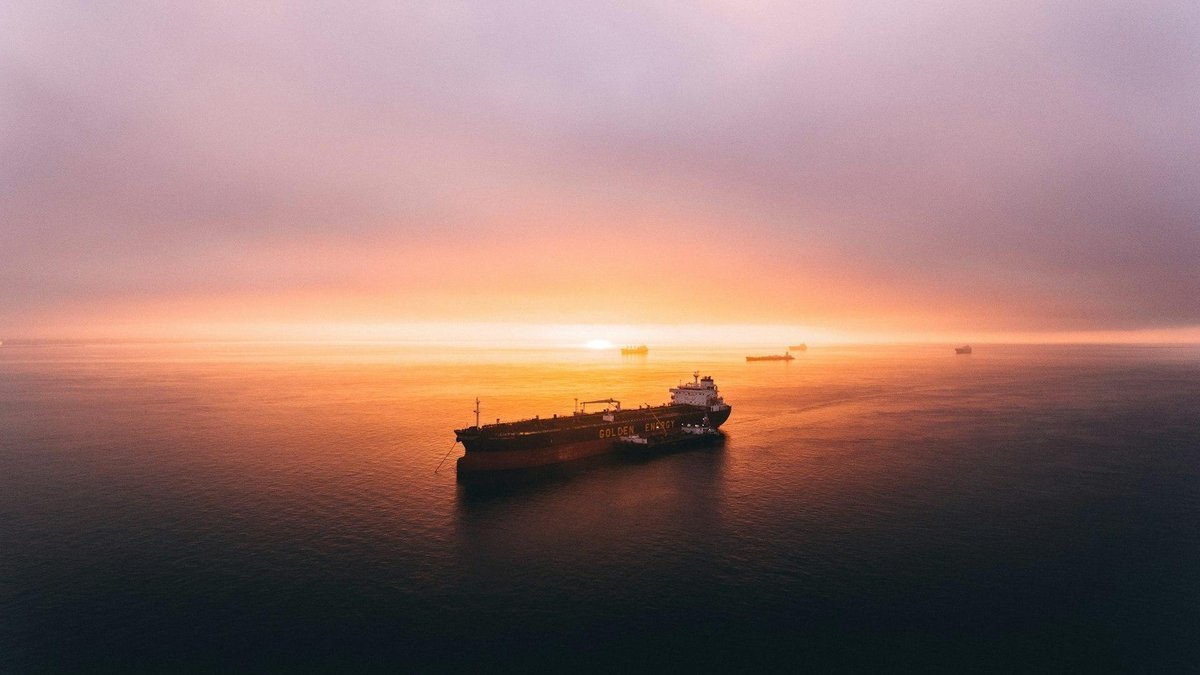
A tanker caught fire on Friday after being struck by a projectile or hitting a mine while sailing outbound through the Strait of Hormuz, heightening the threat to the world’s most critical oil chokepoint. The incident occurred 8 nautical miles north of the Omani town of Khasab in a waterway already disrupted by the conflict between Iran and the US-Israeli side.
The United Kingdom Maritime Trade Operations (UKMTO) agency reported that an unknown projectile struck the vessel as it transited the entrance to the Strait. Shortly after the UKMTO report, Iran’s Revolutionary Guards claimed via state media that the tanker caught fire after hitting a mine. No casualties or environmental impacts have been reported following the fire.
Khasab sits on Oman’s Musandam Peninsula, a strategic position overlooking a waterway that carried nearly 20 percent of global crude oil supplies before the eruption of the current conflict. Shipping through the Strait has faced consistent disruption since Iran moved to close the waterway on February 28.
Why it matters
The conflicting reports on the cause of the fire—an unknown projectile versus a naval mine—create a specific intelligence gap for security officers and insurers. If the Revolutionary Guards’ claim of a mine is accurate, it suggests a passive, persistent threat to all vessels in the Khasab transit lanes. A projectile strike, by contrast, indicates a targeted kinetic attack on a specific outbound hull.
The location of the incident is particularly sensitive for outbound traffic. Any increase in kinetic activity near the Musandam Peninsula forces owners to weigh the rising risk of hull damage against the necessity of the route. Before the February 28 disruptions, this passage was the primary artery for global crude; it is now a live fire zone where even outbound vessels are vulnerable.
The lack of casualties and environmental damage prevents an immediate total shutdown of the lane, but the fire confirms that the disruption of the waterway is being enforced with munitions. Charterers and owners must now operate under the assumption that the Iranian move to close the Strait includes the use of ordnance against commercial tonnage.
What to watch
The identification of the specific vessel and the results of any damage survey will clarify whether the fire resulted from a targeted aerial strike or a submerged mine. Evidence of the weapon type will determine if the current risk is a localized threat or a broader danger from drifting mines.