Carnival orders two 130,000 GT LNG-powered ships from Fincantieri

Carnival Corporation’s new 130,000 GT platform order at Fincantieri signals a strategic move toward cross-brand fleet flexibility through 2035.
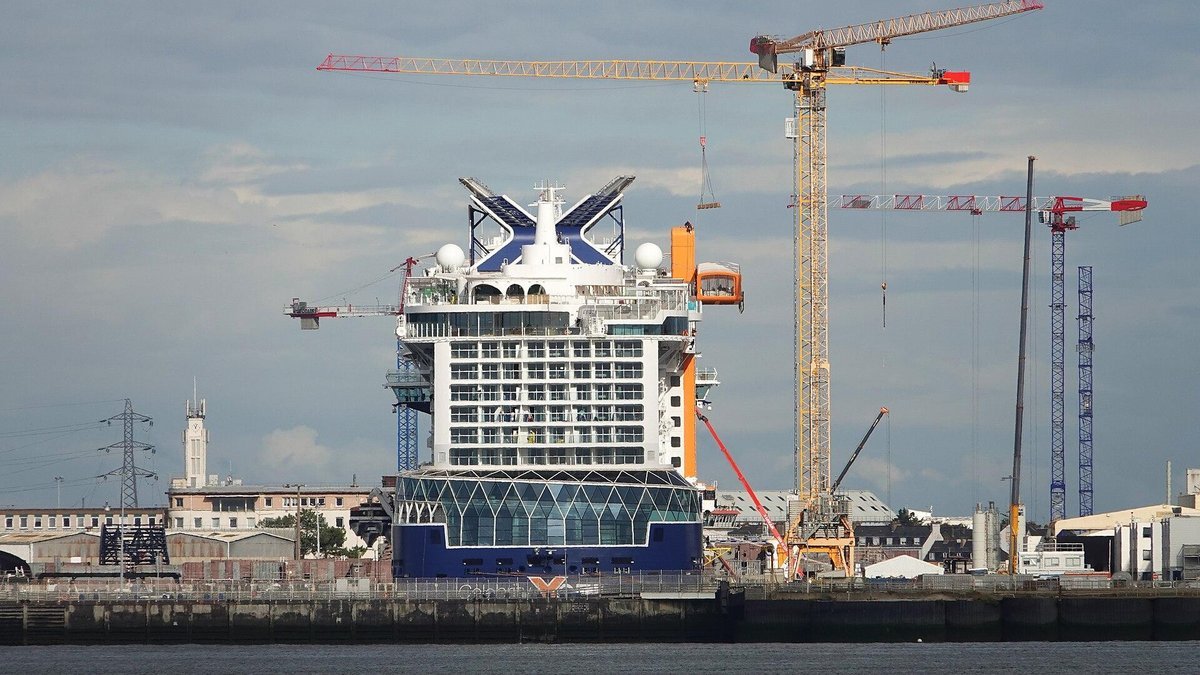
Fincantieri has signed a contract with Carnival Corporation to build two dual-fuel cruise ships, establishing a new design platform intended for use across multiple brands in the Carnival portfolio. The 130,000 GT vessels will be built at the Marghera yard in Italy, with deliveries scheduled for 2033 and 2035.
The agreement, which remains subject to financing, adds to a Carnival Corporation order book that now totals 12 ships for delivery through 2039. Each new vessel will feature approximately 1,650 guest cabins and utilize liquefied natural gas (LNG) as its primary fuel source. Fincantieri described the contract value as significant but did not provide a specific dollar amount.
These ships represent a different scale from Carnival’s existing Ace-class programme. While the Ace-class vessels, including the Carnival Destiny scheduled for construction at Monfalcone in July 2026, are designed at 230,000 GT, this new order focuses on a smaller 130,000 GT frame. Carnival Corporation CEO Josh Weinstein stated the order supports a measured approach to growth while introducing more efficient vessel technologies.
Why it matters
The decision to develop a standardized 130,000 GT platform suggests Carnival is prioritizing fleet flexibility over the industry’s recent push for maximum scale. By designing a hull and propulsion system that can be adapted for different brands, Carnival reduces the engineering overhead of future orders. This move allows the company to deploy these assets across a wider range of ports and itineraries that cannot accommodate the 230,000 GT mega-ships currently in the pipeline.
For Fincantieri, the contract provides a decade of visibility for its Marghera facility. The long lead times, stretching to 2035, justify the shipbuilder’s continued spending on its Shipyard of the Future strategy, which relies on high levels of automation and robotics to manage costs. This order cements a pipeline that keeps Italian yards active well into the next decade, insulating the builder from shorter-term market volatility.
The commitment to dual-fuel LNG propulsion for deliveries as far out as 2035 indicates that Carnival views LNG as a long-term bridge. Shipowners and fuel suppliers can read this as a signal that LNG infrastructure will remain a requirement for major cruise hubs for at least the next twenty years.
What to watch
The next trigger for this project is the finalization of financing and the announcement of which Carnival brands, beyond Carnival Cruise Line, will be the first to adopt the new 130,000 GT platform design.