Russian Northern Fleet Frigate Escorts Sanctioned Cargo Through Mediterranean

The Russian Navy is deploying high-end Northern Fleet assets to protect sanctioned cargo ships as naval resources face increasing strain.
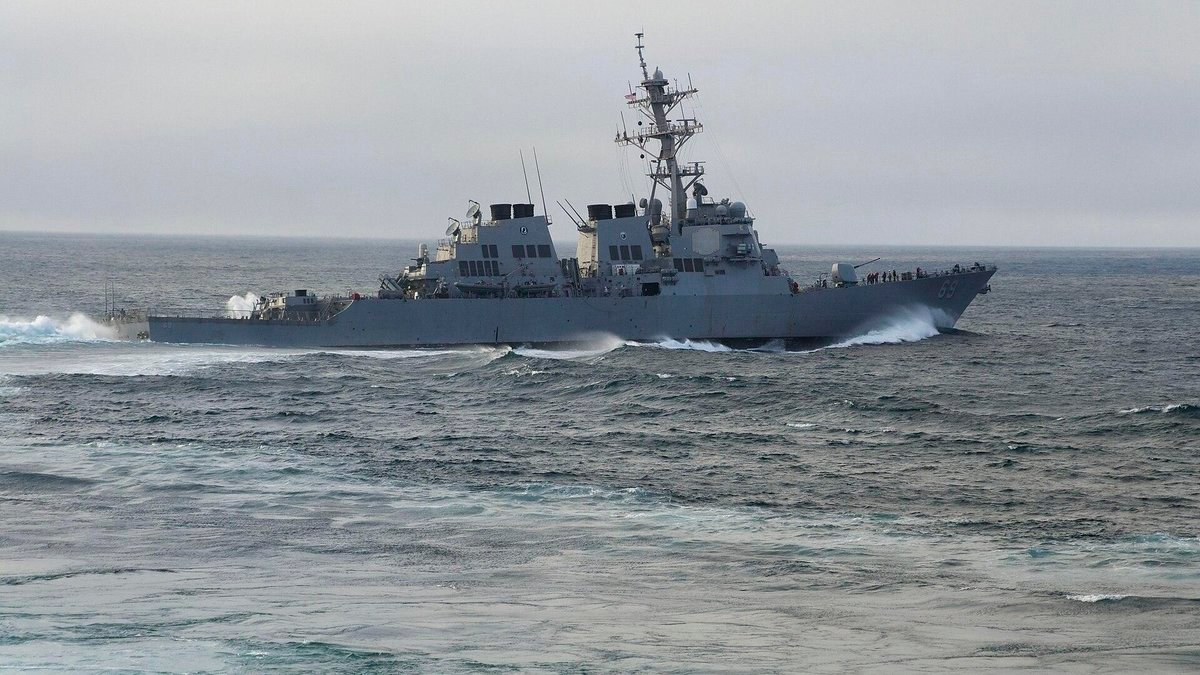
The Russian Navy has deployed the advanced Northern Fleet frigate RFS Admiral Golovko to escort a sanctioned cargo flotilla through the Mediterranean. The move signals a shift in resource allocation as the Kremlin pulls high-end combatants from the north to protect vulnerable logistics lines.
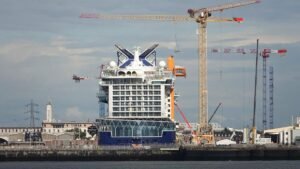
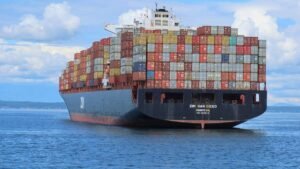
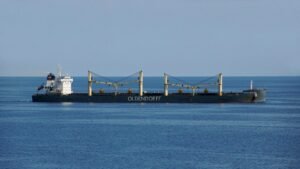
The Golovko, commissioned in December 2023 and armed with 16 vertical launch tubes for Zircon and Kalibr missiles, was spotted south of Sardinia on November 18. It is currently escorting the sanctioned cargo vessels Lady R, Lady D, and Maia-1. This flotilla left Baltiysk in Kaliningrad on November 5, according to tracking data.
The deployment comes as Russian naval resources face increasing strain. The Baltic Fleet is currently reduced to just four vessels monitoring key oil terminals at Ust-Luga and Primorsk, following the November 11 attack on the corvette RFS Naro-Fominsk. Meanwhile, a second convoy consisting of the Ascalon and Anastasiia passed through the Strait of Gibraltar on November 13, monitored by NATO forces as it moved toward potential discharge points in North Africa or Syria.
Why it matters
The use of a front-line Northern Fleet frigate for merchant escort duty reveals the exhaustion of Russia’s regional naval assets. With the Baltic Fleet depleted and the Mediterranean facility at Tartus downgraded, the Kremlin is forced to use its most capable new combatants to shield sanctioned vessels from potential boarding or seizure. For shipowners and charterers in the region, this means Russian naval presence is now concentrated around specific sanctioned trade corridors rather than general maritime security.
There is also a direct operational risk for commercial vessels and aircraft. Italian sources linked the passage of the Lady R, Lady D, and Maia-1 to a 20-minute window of GPS interference that affected 80 aircraft in Dutch airspace earlier this month. Ships operating in proximity to these convoys should prepare for localized electronic warfare activity, which complicates navigation in congested Mediterranean lanes.
The destination of these convoys suggests a strategic focus on Algeria and Tobruk as alternatives to the Tartus naval base. If these North African ports become the primary hubs for Russian military cargo, it will shift the risk profile for insurers and port operators managing traffic in the Central Mediterranean.
What to watch
The arrival of the Ascalon and Anastasiia at their destination will confirm whether Russia is successfully establishing a permanent logistics bridge to North Africa to compensate for the reduced capacity at its Syrian facilities.