India launches Seafarers’ Safety Initiative to secure Indo-Pacific trade

PM Modi announces a new maritime safety framework at the East Asia Summit to protect crews and commercial shipping from regional security threats.
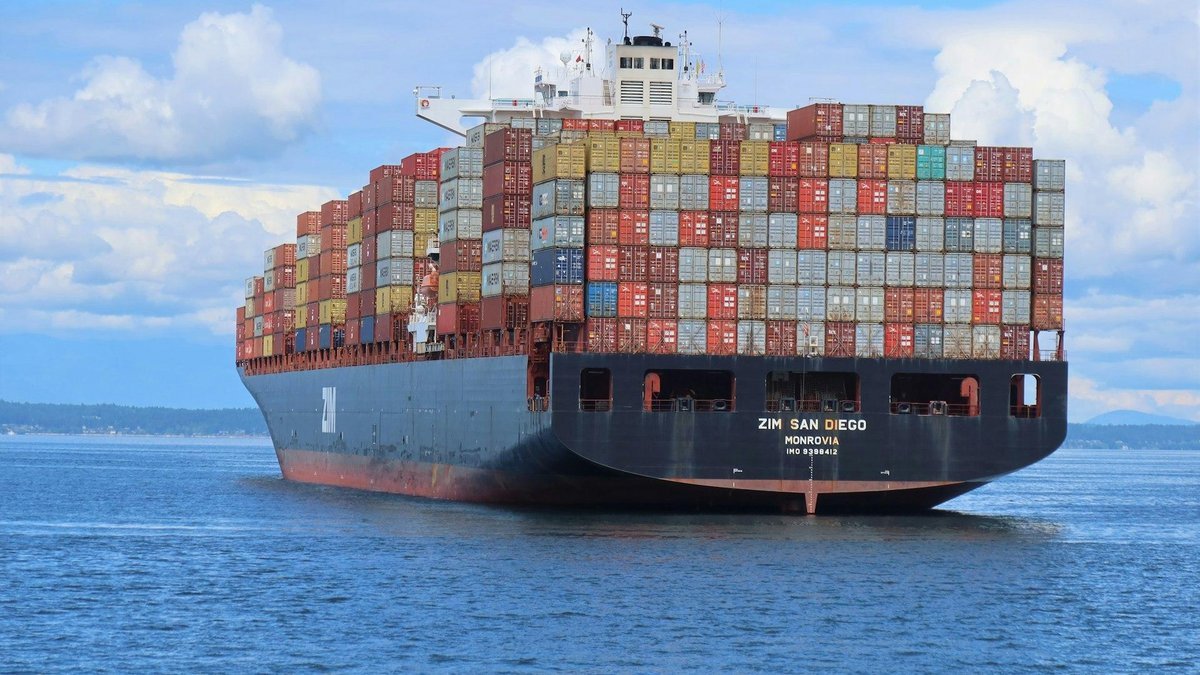
India’s new Seafarers’ Safety Initiative aims to institutionalize emergency response and joint training across the Indo-Pacific, offering a potential security buffer for commercial vessels in volatile shipping corridors.
Prime Minister Narendra Modi announced the plan at the 21st East Asia Summit in Manila, Philippines. The initiative focuses on strengthening international cooperation to protect seafarers and commercial shipping across global waterways.
Under the proposal, India will work with East Asia Summit partner countries to develop joint training programs and coordinated emergency response mechanisms. These efforts aim to improve preparedness for maritime emergencies and security-related incidents.
The announcement follows growing maritime security challenges and attacks on commercial vessels in critical international corridors. These incidents threaten the movement of essential commodities, including food, fuel, and fertilizers.
Why it matters
Owners and insurers face rising risks in international corridors where security incidents threaten both lives and cargo. This initiative moves beyond diplomatic statements to operational preparedness by proposing joint training and coordinated response mechanisms. Such cooperation likely improves the speed and effectiveness of interventions when commercial vessels face security threats or emergencies at sea.
The focus on food, fuel, and fertilizer trade suggests India is prioritizing the security of essential commodity flows. This provides a layer of predictability for charterers and traders moving these cargoes through East Asian waters. By leading this initiative, India is formalizing its role as a regional maritime coordinator, which may lead to more resilient supply chains if partner nations commit to the shared response protocols.
For shipowners, the initiative offers a potential framework for better protection of the crew, who remain the backbone of international trade. Strengthening emergency preparedness at a multilateral level could eventually influence how risk is managed in regional shipping lanes.
What to watch
The next step involves the East Asia Summit partner countries agreeing on the specific joint training schedules and the formal adoption of coordinated response protocols.