Tanker Propulsion Targeted in Strait of Hormuz Projectile Attacks

Projectile strikes on tankers near Oman signal a shift toward disabling vessels in the Strait of Hormuz as Iran enforces transit restrictions.
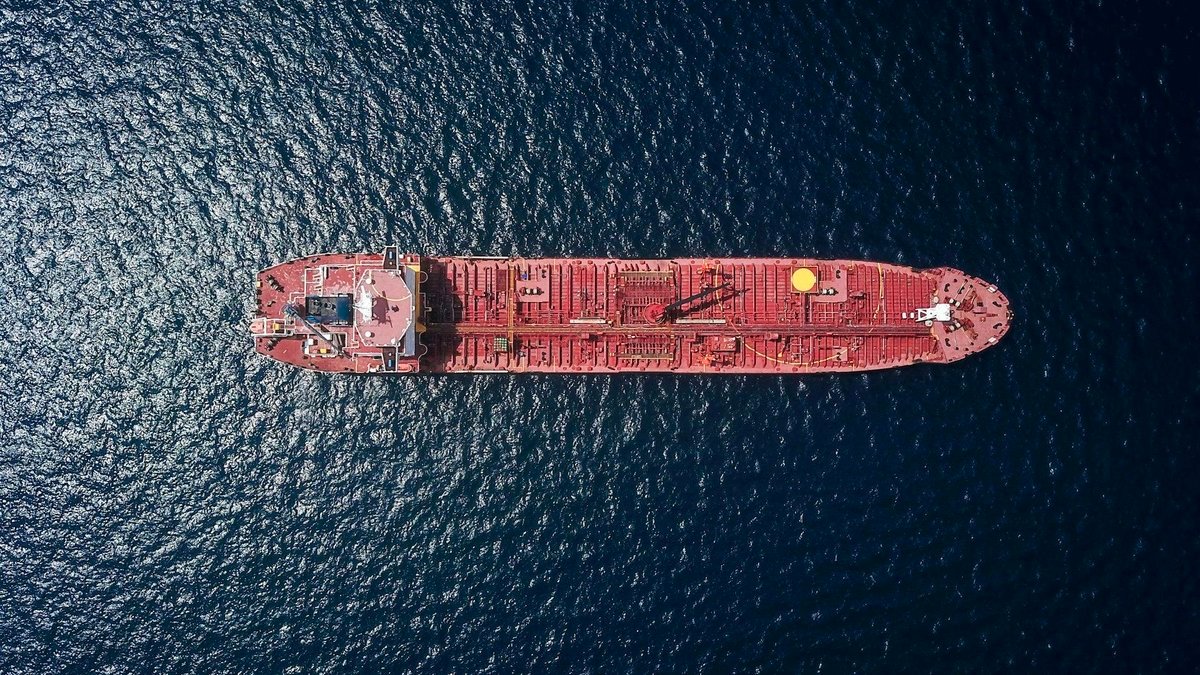
Two projectile strikes on tankers near the Strait of Hormuz have escalated the risk for outbound tonnage, signaling a shift toward disabling strikes on vessel propulsion. The attacks near Oman’s Khasab follow Iranian efforts to enforce transit restrictions through the strategic waterway.
The United Kingdom Maritime Trade Operations (UKMTO) reported a tanker hit on its stern 11 nautical miles north of Khasab on Saturday. A second report detailed a strike on a tanker’s engine room 17 nautical miles east of the same port. It is not yet clear if the reports involve the same vessel. No casualties were reported in either incident, and the environmental impact is currently unknown.
Iran’s navy separately claimed a tanker caught fire after hitting a naval mine in a restricted area east of the Strait. An attack on Friday near Khasab also caused a fire on board a tanker. Tehran is currently imposing restrictions on vessels in the waterway and has attacked ships it says violated those rules as it seeks to exert pressure on Washington.
Why it matters
Targeting the stern and engine room is a specific operational threat. It suggests an intent to disable vessels rather than just harass them. For owners and insurers, a disabled tanker in a restricted zone creates a complex salvage scenario where the coastal state is the aggressor. This forces crews into a high-risk environment where mechanical failure becomes a target for further escalation.
The discrepancy between UKMTO’s projectile reports and Iran’s mine claim creates a dangerous intelligence gap. If mines are present in restricted areas east of the Strait, standard transit lanes become unreliable. Charterers must now weigh the cost of delays against the physical risk of hull penetration in areas Tehran has declared off-limits.
These strikes target the heart of the energy trade. Khasab sits on Oman’s Musandam Peninsula at the entrance to a corridor that carried nearly one-fifth of global crude before the start of the Iran war. The use of unidentified projectiles against outbound ships indicates that even vessels that have completed their loading and are leaving the Gulf face immediate physical danger.
What to watch
Confirmation on whether one or two vessels were hit and the specific nature of the restrictions Tehran expects commercial shipping to follow to avoid being targeted.